
If you spend your days hunched over a laptop, glued to your desk, or hopping between video calls, you are not alone. For small business owners, developers, and remote professionals, long hours of sitting can become a daily reality. But with this modern work style comes a not-so-modern problem: sciatica. Sciatica is more than just an occasional ache, it’s a nerve pain that can radiate from your lower back down your leg, making even the simplest tasks uncomfortable. The good news is that effective sciatica treatment San Francisco professionals recommend doesn’t require you to overhaul your entire lifestyle. In this guide, we’ll explore why desk work triggers sciatica, how to spot the warning signs, and what practical steps you can take, right at your desk, to find relief and prevent future flare-ups. Whether you’re a startup founder, a seasoned coder, or simply someone working from home, these insights will help you reclaim comfort and productivity.
Why Desk Work Makes Sciatica Worse
Sitting for prolonged periods is a common culprit behind sciatica flare-ups, particularly among those who work at a desk all day. When you remain seated, especially with poor posture, pressure builds on the lower back and the sciatic nerve. Over time, this can lead to inflammation, muscle tightness, and nerve irritation. The lack of movement also reduces blood flow, making it harder for your body to heal minor strains or injuries. For remote professionals and office workers, the challenge is compounded by makeshift workstations or chairs that don’t offer proper support. If you notice tingling, numbness, or sharp pain radiating from your lower back down your leg, it’s time to consider San Francisco sciatica treatment options that address the root cause, not just the symptoms.
Recognizing the Early Signs of Sciatica
Sciatica doesn’t always start with excruciating pain. In fact, many desk workers experience subtle symptoms long before things get severe. Early signs include a dull ache in the lower back, occasional tingling in the buttocks or legs, and stiffness after sitting for extended periods. Sometimes, you might feel a “pins and needles” sensation or mild numbness that comes and goes. Ignoring these early warnings can allow the problem to escalate, potentially leading to chronic pain or mobility issues. That’s why it’s important to pay attention to your body’s signals and seek sciatica treatment San Francisco professionals trust before symptoms worsen. Early intervention can make a significant difference in recovery time and long-term comfort.
How Ergonomics Impact Sciatic Nerve Health
Ergonomics is more than just a buzzword, it’s a crucial factor in preventing and managing sciatica for anyone who spends hours at a desk. An ergonomic setup supports your spine’s natural curve, keeps your feet flat on the floor, and ensures your monitor is at eye level. These small adjustments reduce strain on your lower back and minimize pressure on the sciatic nerve. Investing in a supportive chair, adjusting your desk height, and using a footrest can go a long way. If you’re unsure where to start, see the details of what a professional ergonomic assessment might involve. Even simple tweaks, like using a lumbar cushion or repositioning your keyboard, can help you stay comfortable and productive throughout the workday.
Movement Breaks: Your Secret Weapon Against Sciatica
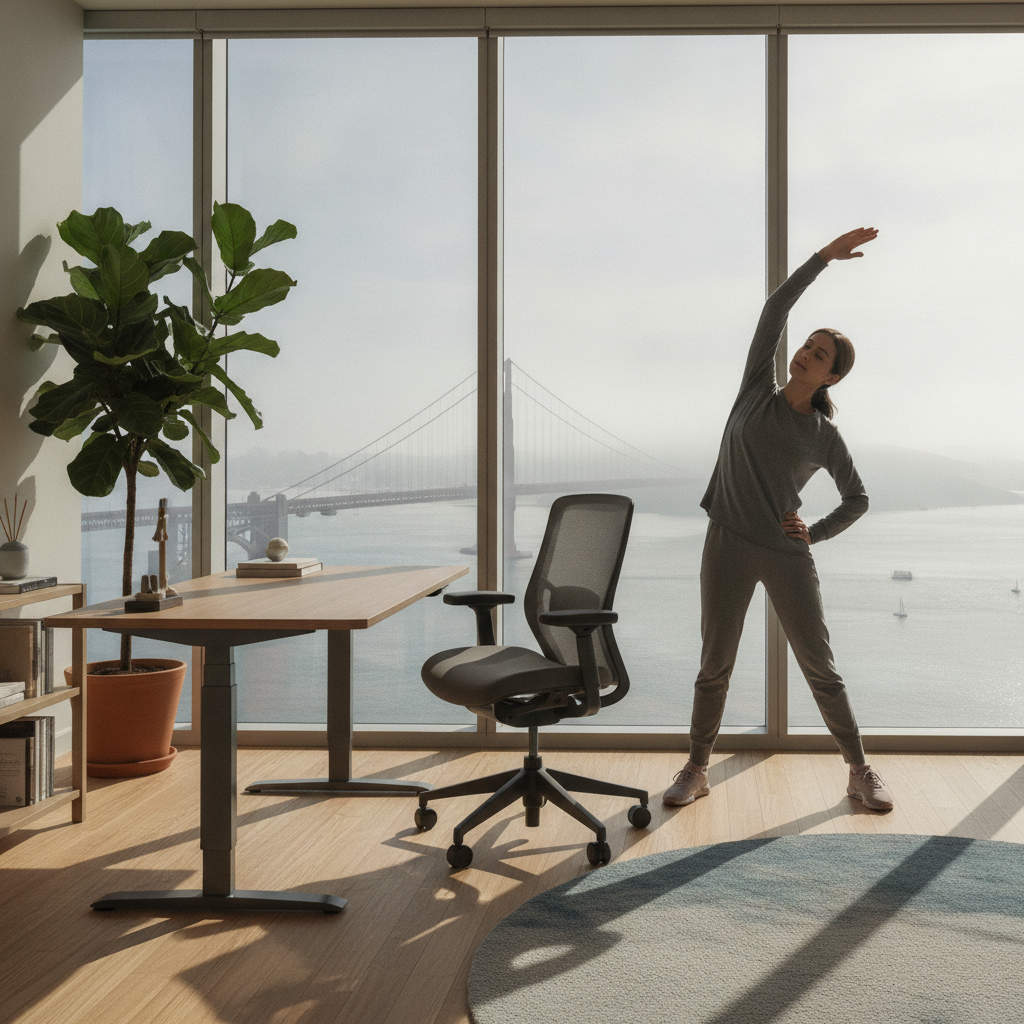
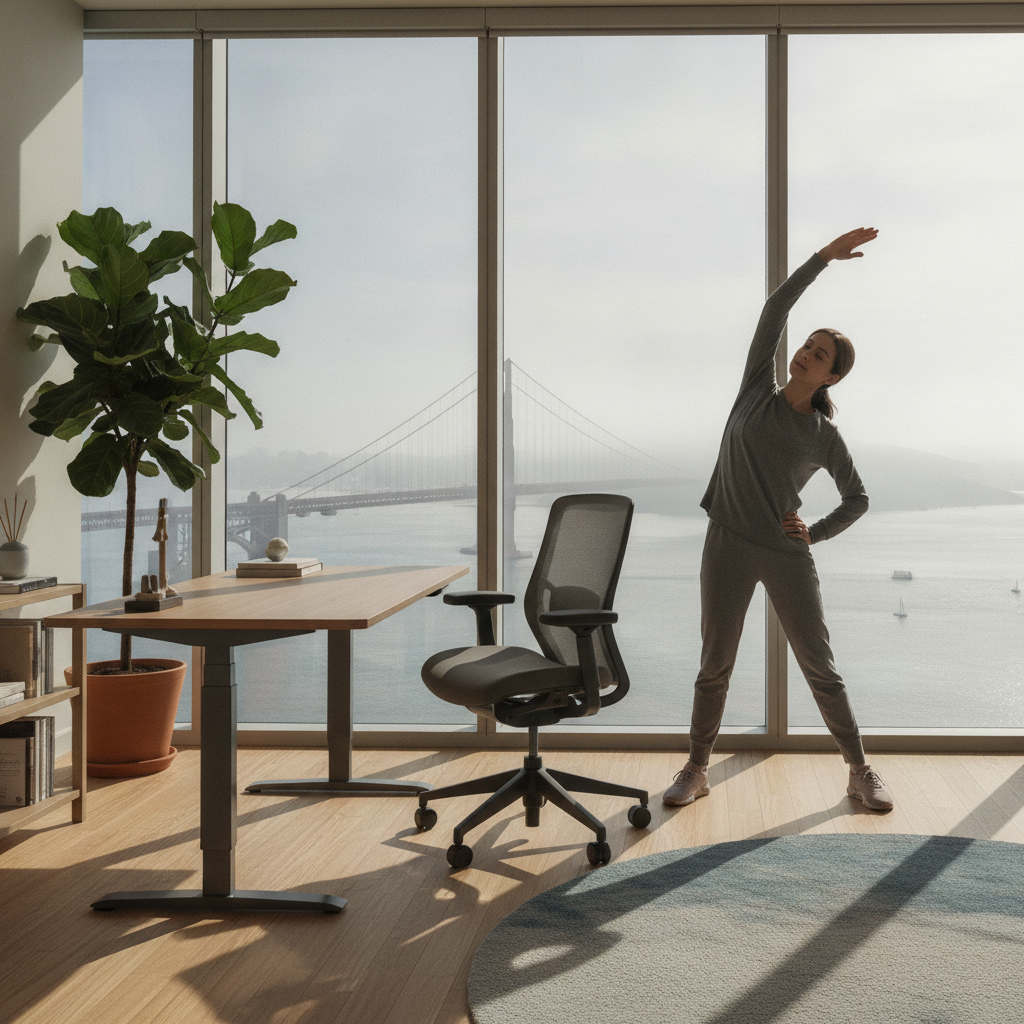
Staying in one position for too long can aggravate sciatica symptoms. That’s why movement breaks are essential for desk-bound professionals. Short, frequent breaks, every 30 to 60 minutes, help relieve pressure on your lower back, improve circulation, and reduce muscle tension. Simple activities like standing up, stretching, or walking around your workspace can make a big difference. Some people find relief by incorporating gentle back and leg stretches or using a standing desk for part of the day. For more ideas on how stress and tension can affect your spine and trigger pain, check out Back Pain and Stress in San Francisco: How Tension Shows Up in the Spine. Remember, consistency is key, set reminders if needed to ensure you move regularly throughout your workday.
When to Seek Professional Help for Sciatica
While self-care strategies can help manage mild sciatica, some symptoms require professional attention. If you experience persistent pain, weakness, or numbness that doesn’t improve with rest and movement, it’s time to consult an expert. Severe cases may involve difficulty walking, loss of bladder or bowel control, or pain that interferes with daily activities, these warrant immediate medical evaluation. Local specialists can assess your condition and recommend a personalized treatment plan, which may include physical therapy, chiropractic adjustments, or other non-invasive therapies. For guidance on selecting the right provider for your needs, see Choosing the Right Back Pain Specialist in San Francisco: A Practical Guide. Early intervention can prevent complications and help you return to work and life with confidence.
Setting Up a Sciatica-Friendly Workspace
Creating a workspace that supports your back and legs is one of the most effective ways to reduce sciatica risk. Start by choosing a chair with proper lumbar support and adjustable height. Your feet should rest flat on the floor, and your knees should be level with your hips. Position your monitor at eye level to avoid slouching, and keep your keyboard and mouse within easy reach to prevent overreaching. Consider adding a footrest or using a standing desk for part of the day. Small changes, like using a headset for calls or organizing your desk to minimize twisting, can also help. By customizing your workspace to fit your body, you can work more comfortably and minimize the strain that leads to sciatica.
Daily Habits That Support Sciatic Nerve Health
Beyond your desk setup, daily habits play a big role in managing and preventing sciatica. Staying active outside of work hours helps keep your muscles flexible and your spine healthy. Low-impact exercises like walking, swimming, or gentle yoga can strengthen your core and reduce nerve irritation. Pay attention to your posture throughout the day, whether you’re sitting, standing, or moving. Avoid crossing your legs for long periods, and try to alternate your sitting position. Staying hydrated and eating a balanced diet also contribute to overall nerve health. By making these habits part of your routine, you can support your recovery and reduce the risk of future flare-ups.
Understanding the Mind-Body Connection in Sciatica
Stress and mental tension can have a surprising impact on physical pain, including sciatica. When you’re under pressure at work or dealing with personal stress, your muscles may tense up, increasing pressure on the sciatic nerve. Mindfulness practices such as deep breathing, meditation, or progressive muscle relaxation can help reduce this tension. Taking a few minutes each day to focus on relaxation techniques can ease discomfort and improve your overall sense of well-being. Recognizing the link between your mental and physical health is an important step in managing chronic pain and maintaining productivity, especially in high-stress work environments.
Comparing Home Remedies and Professional Care
Many people start with home remedies when sciatica strikes, rest, ice packs, gentle stretching, or over-the-counter pain relievers. While these methods can provide temporary relief, they may not address the underlying cause. Professional care, such as physical therapy or chiropractic adjustments, offers a more targeted approach. Specialists can identify imbalances, guide you through tailored exercises, and recommend lifestyle modifications that support long-term recovery. Knowing when to switch from self-care to expert help is key. If your symptoms persist or worsen, don’t hesitate to reach out to a provider who understands the unique needs of desk workers and remote professionals in this community.
A Look at Sciatica-Friendly Desk Accessories
The right accessories can make a world of difference for those managing sciatica while working at a desk. Lumbar cushions, adjustable footrests, and ergonomic keyboards are just a few tools that promote better posture and reduce nerve pressure. Standing mats can provide support for those who use standing desks, while monitor risers help keep screens at eye level. Even small items like a wireless mouse or a headset can minimize repetitive strain. Investing in these accessories is an investment in your comfort and productivity. Explore options that fit your workspace and budget, and remember that even minor adjustments can have a lasting impact on your well-being.
| Workplace Factor | Impact on Sciatica | Recommended Solution |
|---|---|---|
| Non-ergonomic chair | Increases lower back pressure | Use a chair with lumbar support |
| Poor desk height | Leads to slouching or overreaching | Adjust desk and monitor to proper height |
| Lack of movement | Reduces circulation, increases stiffness | Take movement breaks every hour |
| Improper posture | Aggravates sciatic nerve | Practice mindful sitting and standing |
Final Thoughts
Sciatica doesn’t have to be an inevitable side effect of modern desk work. By understanding the unique challenges faced by small business owners, developers, and remote professionals, you can take proactive steps to protect your back and nerve health. From optimizing your workspace and taking regular movement breaks to building healthy daily habits and knowing when to seek expert care, there are practical solutions for every work style. Remember, small changes can lead to big improvements in comfort, productivity, and overall well-being. If you are experiencing persistent symptoms, reach out to a local provider who understands the needs of this community. With the right support, you can stay focused on your work and enjoy a pain-free life, both at your desk and beyond.