
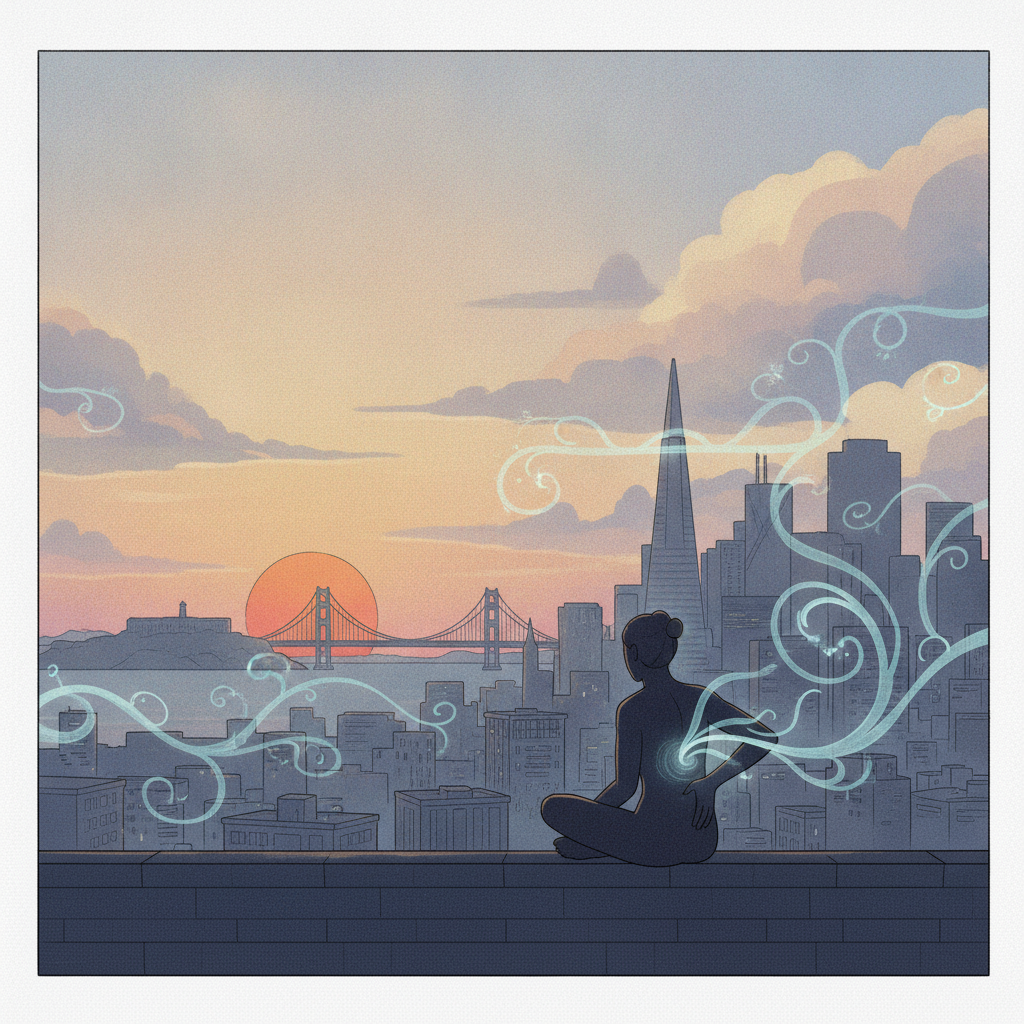
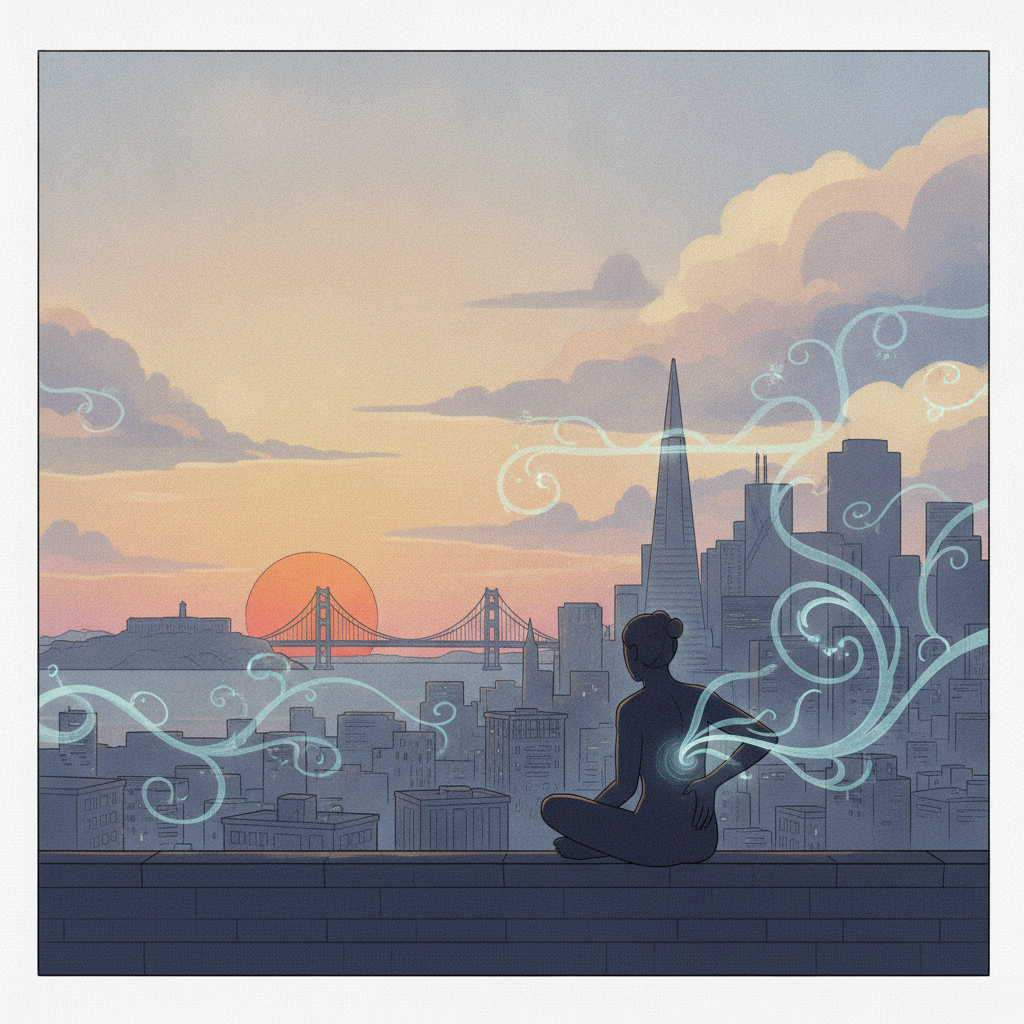
Back pain is a common issue among small business owners, developers, and busy professionals, especially in high-pressure environments. If you live and work in the Bay Area, you may have noticed that stress and tension seem to settle right in your spine. The connection between mental stress and physical discomfort is powerful, and understanding it can be the first step toward meaningful relief. For those seeking effective back pain treatment San Francisco clinics offer, recognizing the role of stress in your symptoms can make all the difference. In this article, we’ll explore how stress manifests in the back, why it’s so prevalent in fast-paced urban communities, and what you can do to break the cycle. Whether you’re running a business, coding late into the night, or simply navigating the daily grind, you’ll find practical insights and strategies to help you move forward with less pain and more resilience.
How Stress Physically Affects the Spine
When stress levels rise, your body responds with a cascade of physical reactions. Muscles in the back and neck often tighten, preparing for a “fight or flight” scenario. This tension, if left unchecked, can pull the spine out of alignment and compress nerves, leading to pain or discomfort. Over time, chronic stress can even change your posture, causing you to hunch your shoulders or round your lower back. For those searching for back pain treatment San Francisco professionals often see, addressing both the physical and emotional components of pain is crucial. Understanding this mind-body link can help you identify stress triggers and take proactive steps to ease the burden on your spine before pain becomes a daily struggle.
Recognizing Stress-Related Back Pain Symptoms
Not all back pain is created equal. Stress-related pain often presents as a dull, persistent ache rather than a sharp, sudden spasm. You might notice increased stiffness in the morning or after long periods of sitting, or you may feel tension radiate between your shoulder blades. Unlike pain caused by a specific injury, stress-induced discomfort can fluctuate with your mood and workload. If you’re unsure whether your back pain is stress-related, pay attention to patterns: does it worsen during busy workweeks or after difficult conversations? For more on the stress impact on back pain, understanding your own symptoms is the first step toward lasting relief.
Why Urban Lifestyles Increase Tension in the Back
City living brings unique stressors that can amplify back pain. The fast pace, constant noise, and pressure to perform can all contribute to chronic muscle tension. Many professionals in the area spend hours at desks or hunched over laptops, rarely taking breaks to stretch or move. The lack of green space and the challenge of finding time for relaxation add to the problem. In this environment, it’s easy for stress to accumulate and manifest physically. If you’re curious about how local chiropractors address these challenges, see the details on how they tailor care for the demands of urban life.
The Science Behind Stress and Spinal Health
Research shows that chronic stress triggers the release of hormones like cortisol, which can increase inflammation and sensitivity to pain. Over time, this can weaken the muscles supporting the spine, making you more susceptible to injury. Stress also affects the nervous system, sometimes amplifying pain signals even when there’s no structural damage. For active individuals, this can mean a frustrating cycle of tension and discomfort. If you’re interested in how athletes and weekend warriors manage these challenges, check out Weekend Warriors and Sciatica: Recovery Strategies for Active San Franciscans for practical approaches to staying pain-free.
Common Stressors for Small Business Owners and Developers
Small business owners and developers often juggle multiple roles, tight deadlines, and high expectations. The pressure to succeed, manage teams, and keep up with technological changes can create a constant undercurrent of stress. This mental load frequently translates into physical tension, especially in the shoulders, neck, and lower back. Long hours at the computer, frequent meetings, and the lack of downtime compound the problem. Recognizing these stressors is the first step toward making positive changes. By identifying personal triggers and setting boundaries, professionals can begin to reduce the physical toll of stress on their spines and overall well-being.
How Posture and Movement Habits Contribute to Tension
Poor posture is a common byproduct of stress, especially for those who work at desks or on computers. Slouching, craning your neck forward, or sitting for long periods without breaks can all increase tension in the back. Over time, these habits can lead to muscle imbalances and joint stiffness. Movement patterns also play a role; repetitive motions or lack of variety in daily activities can cause certain muscle groups to become overworked while others weaken. Incorporating regular movement, stretching, and posture checks into your routine can help counteract these effects and keep your spine healthier, even during stressful periods.
The Role of Sleep in Stress and Back Pain
Quality sleep is essential for both stress management and spinal health. Unfortunately, stress often disrupts sleep patterns, leading to restless nights and increased pain sensitivity. Poor sleep can cause muscles to remain tense, preventing the body from fully relaxing and recovering. This creates a feedback loop where pain and stress reinforce each other. Establishing a consistent bedtime routine, optimizing your sleep environment, and practicing relaxation techniques before bed can help break this cycle. For more targeted tips, explore Back Pain at Night? Sleep Position Fixes for San Francisco Residents for strategies that support both rest and recovery.
Techniques for Managing Stress to Reduce Back Pain
Managing stress effectively can significantly reduce back pain and improve overall quality of life. Techniques such as deep breathing, mindfulness meditation, and progressive muscle relaxation help calm the nervous system and release muscle tension. Regular physical activity, whether it’s a brisk walk, yoga, or gentle stretching, can also lower stress hormones and keep the spine flexible. Setting aside time each day for relaxation, even if it’s just a few minutes, can make a noticeable difference. By integrating these practices into your daily routine, you can help prevent stress from taking a toll on your back and maintain better spinal health over time.
When to Seek Professional Help for Stress-Related Back Pain
While self-care strategies are valuable, there are times when professional help is necessary. If your back pain persists despite lifestyle changes, worsens over time, or is accompanied by symptoms like numbness or weakness, it’s important to consult a healthcare provider. Chiropractors, physical therapists, and other specialists can assess your spine, identify underlying issues, and develop a personalized treatment plan. They may also recommend stress management techniques or refer you to counselors if emotional factors play a significant role. Early intervention can prevent chronic pain and help you return to your daily activities with greater comfort and confidence.
Integrating Mind-Body Approaches for Lasting Relief
True relief from stress-related back pain often requires a holistic approach. Mind-body techniques like yoga, tai chi, and guided imagery not only stretch and strengthen the muscles but also teach you to recognize and release tension. Cognitive-behavioral strategies can help change thought patterns that contribute to stress, while biofeedback and relaxation training offer tools for managing physical responses. Combining these methods with traditional treatments creates a comprehensive plan that addresses both the mind and body. Over time, this integrated approach can lead to more sustainable results and a greater sense of well-being.
| Stress Factor | Physical Manifestation | Suggested Solution |
|---|---|---|
| Long work hours | Muscle tightness in lower back | Frequent breaks, stretching |
| High-pressure deadlines | Neck and shoulder tension | Mindfulness, deep breathing |
| Lack of movement | Stiffness, poor posture | Regular exercise, posture checks |
| Sleep disruption | Persistent back pain | Sleep hygiene, relaxation routines |
Final Thoughts
Stress and back pain are deeply intertwined, especially for those navigating demanding careers and busy urban lifestyles. Recognizing the signs of stress-related tension in your spine is the first step toward relief. By understanding how mental pressures translate into physical discomfort, you can take proactive steps to protect your back and improve your quality of life. Whether you choose self-care strategies, seek professional guidance, or combine both, the key is to address both the mind and body. Remember, you don’t have to accept back pain as a normal part of life in a fast-paced city. With the right approach, it’s possible to break the cycle of stress and discomfort, reclaim your mobility, and enjoy a healthier, more resilient future.