
Back pain can disrupt your work, your sleep, and your ability to enjoy life, especially if you’re a small business owner or developer with a busy schedule. For many in the area, seeking back pain treatment in San Francisco means turning to a specialized spine center for answers. But what actually happens when you walk through those doors? This guide will walk you through the real-world experience of spine center care: from the first diagnostic steps, to the role of injections, to how your care team helps you plan the next phase of your recovery. Whether you’re dealing with a recent injury or months of nagging discomfort, understanding the process can help you make confident, informed decisions about your health. Let’s explore what you can expect, and how to get the most from your visit.
Your First Visit: What Happens During a Spine Center Evaluation
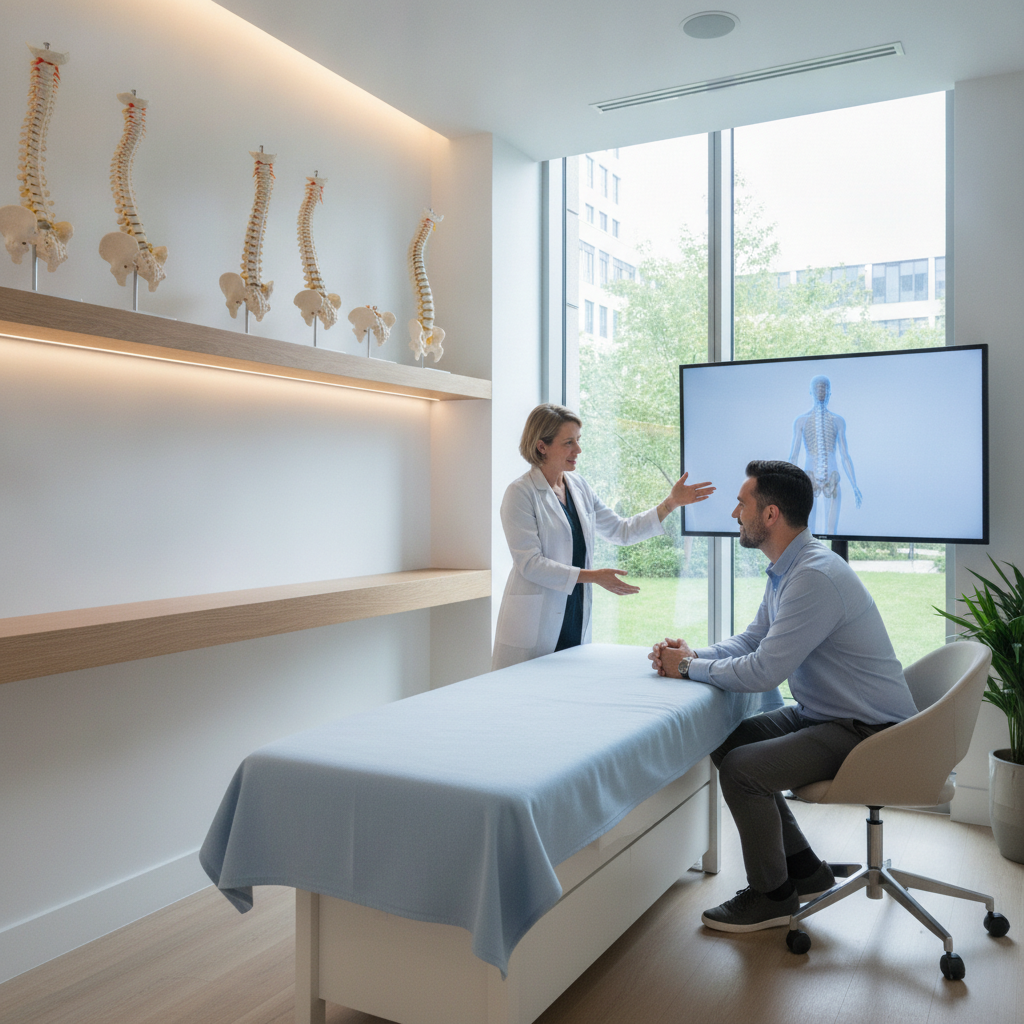
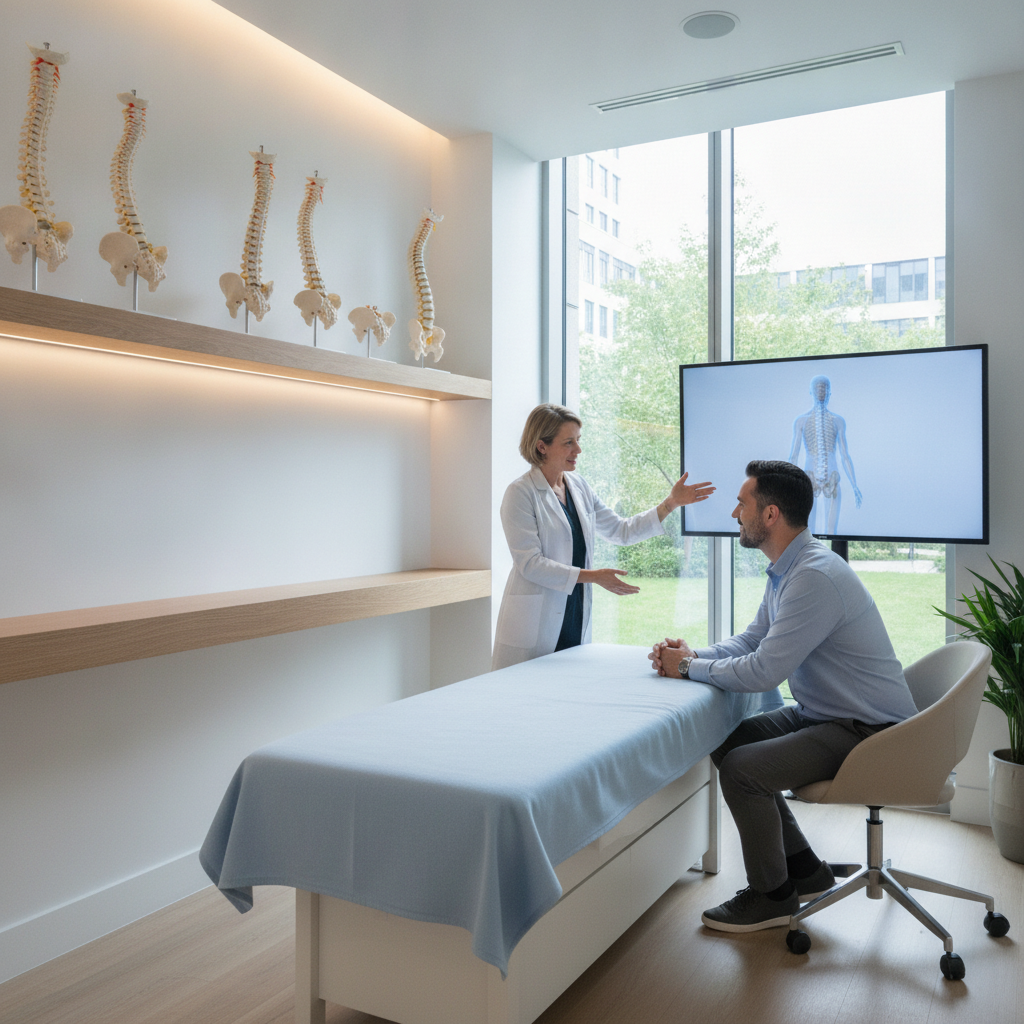
The initial evaluation at a spine center is more thorough than a standard doctor’s appointment. You’ll start by discussing your symptoms, history, and lifestyle. The care team will want to know how your back pain started, what makes it better or worse, and how it’s affecting your daily life. For business owners and developers, this might include conversations about long hours at a desk, lifting equipment, or stress levels. A detailed physical exam follows, focusing on your spine’s movement, nerve function, and muscle strength.
Depending on your symptoms, the provider may recommend imaging, such as X-rays or MRI, to get a clearer picture of what’s happening inside your back. These tests help rule out serious causes and pinpoint issues like herniated discs, arthritis, or nerve compression. The goal is to create a complete profile of your pain, not just treat the symptoms.
Many spine centers, including Agnew Family, emphasize a collaborative approach. You’ll likely meet with both a physician and a physical therapist, and sometimes even a pain management specialist. This team works together to ensure nothing is overlooked, and that your treatment plan is tailored to your unique needs and goals.
- Comprehensive review of your symptoms and history
- Hands-on physical examination
- Imaging or diagnostic tests as needed
- Team-based care with multiple specialists
By the end of your first visit, you should have a clearer understanding of what’s causing your pain and what steps come next. Don’t hesitate to ask questions, your spine center team is there to empower you with knowledge and options.
Understanding Diagnostic Tools: Imaging, Nerve Tests, and More
The diagnostic phase is critical for effective back pain treatment. After your initial evaluation, your care team may recommend specific tests to clarify the source of your discomfort. Imaging studies are the most common, but there are several tools that spine centers use to get a complete picture.
X-rays are often the first step, especially if your pain is linked to an injury or you have a history of arthritis. They reveal bone structure, alignment, and signs of wear. MRIs go deeper, showing soft tissue like discs, nerves, and muscles. If nerve involvement is suspected, you might undergo nerve conduction studies or electromyography (EMG) to assess how well your nerves are functioning.
These tests are not one-size-fits-all. Your provider will recommend only what’s necessary based on your symptoms and exam findings. For those interested in cutting-edge options, new regenerative approaches and advanced diagnostics are emerging, as discussed in From PRP to SoftWave: New Regenerative Treatment Paths Emerging in San Francisco.
- X-rays: Assess bone health and alignment
- MRI: Visualize discs, nerves, and soft tissue
- Nerve conduction studies: Evaluate nerve function
- EMG: Detect nerve or muscle damage
The right combination of tests helps your care team distinguish between muscle strain, disc problems, nerve impingement, or other causes. This precision is what sets spine center care apart and ensures your treatment is targeted and effective.
When Are Injections Used in Back Pain Care?
Injections can be a valuable part of back pain management, especially when conservative measures haven’t brought enough relief. But they’re not for everyone, and the decision to use them is highly individualized. Spine centers use injections both as a diagnostic tool and as a way to deliver targeted pain relief.
Common types of injections include epidural steroid injections, facet joint injections, and nerve blocks. Each targets a specific structure in the spine. For example, an epidural injection may help with nerve root inflammation, while a facet joint injection targets small joints in the spine that can become arthritic or inflamed.
Injections are typically performed under imaging guidance to ensure accuracy. The relief they provide can be temporary, lasting weeks to months, but for some, they offer a critical window to participate in physical therapy and other rehabilitation. Your provider will discuss the risks, benefits, and alternatives so you can make an informed choice. For a deeper dive into when to consider advanced diagnostics or specialist care, see How San Francisco Residents Can Tell If Back Pain Needs Imaging or a Specialist Visit.
- Epidural steroid injections: Reduce nerve inflammation
- Facet joint injections: Target arthritic or inflamed joints
- Nerve blocks: Temporarily disrupt pain signals
- Guided by imaging for safety and accuracy
Not every patient needs or benefits from injections, but they can be a helpful part of a comprehensive back pain treatment plan when used judiciously by experienced providers.
Personalizing Your Back Pain Treatment Plan
No two cases of back pain are exactly alike. That’s why spine centers focus on creating personalized treatment plans that reflect your goals, your lifestyle, and the specific details of your condition. After your diagnosis, your care team will discuss a range of options with you. These might include physical therapy, medication, manual therapy, ergonomic adjustments, or injections. For those with demanding jobs or active lifestyles, plans often emphasize strategies that minimize downtime and support long-term function.
Your plan may also evolve over time. If initial treatments don’t provide enough relief, your provider will revisit your diagnosis and adjust your approach. Open communication is key, let your team know what’s working, what’s not, and any changes in your symptoms. This ongoing collaboration helps ensure you get the most effective care possible.
- Customized plans based on your diagnosis and goals
- Combination of therapies for best results
- Regular follow-ups to track progress
- Adjustments made as your needs change
Personalized care means you’re not just a number, you’re an active participant in your recovery. This approach is especially valuable for those juggling work, family, and personal commitments.
Physical Therapy’s Role in Lasting Recovery
Physical therapy is often the backbone of effective back pain treatment. After your diagnosis, a skilled therapist will design a program tailored to your needs. This may include targeted exercises to strengthen your core, improve flexibility, and correct posture. Manual therapy, such as soft tissue mobilization or joint manipulation, can also help reduce pain and restore movement.
For small business owners and developers, physical therapy can be especially valuable. Therapists can suggest ergonomic changes to your workspace, teach you safe lifting techniques, and help you develop habits that prevent future injuries. The goal is not just temporary relief, but lasting improvement in how your body moves and functions.
- Individualized exercise programs
- Manual therapy for pain relief
- Education on posture and movement
- Strategies to prevent recurrence
Regular sessions and home exercises are key to success. Your therapist will monitor your progress and adjust your program as needed, ensuring you continue to move forward in your recovery.
Exploring Non-Invasive and Regenerative Options
While injections and medications have their place, many patients are interested in non-invasive and regenerative therapies. These options can include shockwave therapy, laser treatments, platelet-rich plasma (PRP), and other biologic approaches. The goal is to stimulate the body’s natural healing processes and reduce reliance on pharmaceuticals or surgery.
Not all spine centers offer every regenerative modality, but many are expanding their services as new research emerges. If you’re curious about these treatments, ask your provider what’s available locally and whether you’re a good candidate. They may recommend a combination of traditional and regenerative therapies for optimal results.
- Shockwave therapy for tissue healing
- PRP injections to promote repair
- Laser therapy for pain and inflammation
- Integrative approaches for whole-body wellness
These options can be especially appealing to those who want to avoid surgery or prolonged medication use. Your spine center team will help you weigh the pros and cons based on your unique situation.
Understanding When Surgery Is Considered
Surgery is rarely the first step in back pain care. Most spine centers reserve surgical options for cases where conservative treatments have failed, or when there’s a clear structural problem, like severe nerve compression, instability, or progressive weakness. Your care team will walk you through the risks and potential benefits, and help you understand what to expect if surgery becomes necessary.
Common surgical procedures include microdiscectomy, laminectomy, and spinal fusion. Advances in minimally invasive techniques mean that many surgeries now involve smaller incisions, less pain, and faster recovery times. However, every case is different, and the decision to operate is always made with your input and a careful review of all other options.
- Surgery considered only after conservative care
- Minimally invasive options available for many cases
- Thorough discussion of risks and benefits
- Shared decision-making with your care team
If surgery is on the table, your provider will ensure you have all the information you need to make the right choice for your health and lifestyle.
The Importance of Follow-Up and Ongoing Care
Recovery from back pain is rarely a straight line. That’s why follow-up care is a cornerstone of spine center treatment. Regular check-ins allow your team to monitor your progress, adjust your plan, and catch any new issues early. For those with busy schedules, many centers offer flexible appointment times and telehealth options.
Ongoing care might include periodic physical therapy, medication adjustments, or booster injections if needed. Your provider will also help you develop strategies to prevent recurrence, such as ergonomic changes, exercise routines, and stress management techniques. This proactive approach helps you maintain the gains you’ve made and reduces the risk of future flare-ups.
- Regular follow-up visits to track recovery
- Adjustments to your treatment plan as needed
- Preventive strategies for long-term health
- Support for returning to work and daily activities
Consistent follow-up is especially important for those whose work or lifestyle puts extra strain on their back. Your spine center team is your partner in staying healthy and active for the long haul.
What to Ask Your Spine Center Team
Being proactive and informed is the best way to get the most out of your spine center experience. Before, during, and after your visit, don’t hesitate to ask questions. Here are some key topics to discuss with your care team:
- What is the likely cause of my back pain?
- What are my treatment options, and what are the risks and benefits of each?
- How long should I expect recovery to take?
- Are there lifestyle changes I can make to support my recovery?
- What should I do if my symptoms change or worsen?
Clear communication helps build trust and ensures your treatment plan is tailored to your needs. Whether you’re a business owner, developer, or simply someone looking to get back to normal life, your questions are always valid and important.
| Treatment Option | Purpose | Typical Candidates |
|---|---|---|
| Physical Therapy | Improve strength, mobility, and function | Most patients with back pain |
| Injections | Targeted pain relief and diagnosis | Patients not responding to conservative care |
| Regenerative Therapies | Stimulate natural healing | Selected candidates based on diagnosis |
| Surgery | Correct structural problems | Severe or persistent cases |
Planning for Your Next Steps
After your initial diagnosis and first round of treatment, your spine center team will help you plan what comes next. This might mean progressing to more advanced therapies, increasing your activity level, or transitioning to a maintenance program. For many, the journey involves a combination of ongoing therapy, lifestyle changes, and periodic check-ins to ensure continued progress.
It’s important to set realistic expectations, recovery can take time, and setbacks are common. Your team will help you set achievable goals, celebrate milestones, and adapt your plan as needed. For business owners and those with demanding schedules, planning may also include strategies for managing work responsibilities during recovery, such as modified duties or remote work options.
- Setting short- and long-term goals
- Adapting your plan as you recover
- Coordinating care with other providers if needed
- Maintaining open communication with your team
With a clear plan and the right support, you can move forward with confidence, knowing you’re on the path to better health and function.
Key Takeaways
Navigating back pain can feel overwhelming, but spine center care offers a structured, supportive path to recovery. From your first evaluation to advanced diagnostics, targeted injections, and personalized treatment planning, every step is designed to address your unique needs. For those seeking back pain treatment in San Francisco or the surrounding region, modern spine centers provide access to a wide range of therapies, collaborative care teams, and innovative solutions.
Remember, the best outcomes come from active participation, ask questions, follow your plan, and communicate openly with your providers. Whether you’re a small business owner, developer, or anyone looking to reclaim your quality of life, the right spine center can make all the difference in your journey toward lasting relief.