
Back pain is one of the most common reasons people seek medical care, affecting individuals from all walks of life, including small business owners, tech developers, and busy professionals. If you’re searching for back pain treatment in San Francisco, you might be surprised by the growing interest in manual medicine. Unlike surgery or prescription medications, manual medicine takes a hands-on approach to diagnosing and treating musculoskeletal issues, aiming to restore natural movement and relieve pain at its source. This article delves into what manual medicine really means, how it can help with back pain, and what local patients should consider before starting care. Whether you’re new to manual therapies or simply exploring your options, understanding this approach can empower you to make informed choices about your health and daily comfort.
What Is Manual Medicine and How Does It Work?
Manual medicine refers to a variety of hands-on techniques used by healthcare professionals to assess, diagnose, and treat musculoskeletal pain and dysfunction. Unlike treatments that rely solely on medications or surgical intervention, manual medicine emphasizes physical manipulation of joints, muscles, and connective tissues. This approach is rooted in the belief that restoring proper alignment and movement can reduce pain, improve function, and support the body’s natural healing processes.
Common forms of manual medicine include osteopathic manipulative treatment (OMT), chiropractic adjustments, myofascial release, and soft tissue mobilization. Each method has its own philosophy and techniques, but all share the goal of addressing the underlying causes of pain rather than just masking symptoms. Providers carefully evaluate posture, movement patterns, and areas of restriction to tailor treatment plans to each individual’s needs.
For those dealing with persistent or recurrent back pain, manual medicine offers a noninvasive, drug-free alternative. It’s especially appealing for people who want to avoid the risks associated with long-term medication use or surgery. By working directly with the body’s structure, manual medicine can help restore mobility, reduce muscle tension, and promote long-term healing. If you’re looking for a provider who specializes in this approach, you might consider the Agnew Family practice, which is known for its expertise in hands-on care.
Understanding the Causes of Back Pain in the Area
Back pain can have many root causes, and understanding them is crucial for effective treatment. In a fast-paced city environment, people often experience back pain due to prolonged sitting, poor posture, repetitive movements, or physical strain. Tech workers and entrepreneurs may spend long hours at desks or on their feet, leading to muscle imbalances and spinal misalignment.
Other common contributors include herniated discs, degenerative joint changes, muscle spasms, and even stress. Sometimes, pain radiates from the lower back into the legs, a sign of possible nerve involvement, such as sciatica. Manual medicine practitioners are trained to identify these patterns and distinguish between muscular, joint, and nerve-related pain.
It’s important to recognize that not all back pain is the same. Some cases are acute, resulting from a specific injury, while others develop gradually over time. By taking a detailed history and performing a thorough physical exam, providers can pinpoint the likely source of discomfort and select the most appropriate manual therapy techniques. For a deeper dive into the complexities of nerve-related pain, check out Understanding Sciatica Triggers in San Francisco: Disc, Piriformis, or Stenosis?.
Manual Medicine Techniques for Back Pain Relief
Manual medicine encompasses a range of techniques designed to address different aspects of back pain. Some of the most widely used approaches include:
- Spinal manipulation and mobilization to restore alignment and improve joint movement.
- Soft tissue techniques, such as myofascial release or trigger point therapy, to reduce muscle tension and break up adhesions.
- Stretching and guided movement to improve flexibility and support healthy posture.
- Neuromuscular re-education to retrain movement patterns and prevent recurrence of pain.
Providers will often combine these methods based on the patient’s specific symptoms and goals. The hands-on nature of manual medicine allows for real-time feedback, enabling practitioners to adjust their approach as needed. For those experiencing nerve-related symptoms, such as tingling or numbness, specialized techniques like nerve gliding may be recommended. To learn more about how these methods can help with sciatica and nerve pain, explore San Francisco Sciatica Care: When Physical Therapy and Nerve Glides Can Help.
What to Expect During a Manual Medicine Session
If you’re new to manual medicine, your first session will typically begin with a detailed discussion of your symptoms, lifestyle, and medical history. The provider will perform a physical examination, observing your posture, range of motion, and areas of tenderness or restriction. This assessment helps them determine which manual techniques are most likely to be effective for your unique situation.
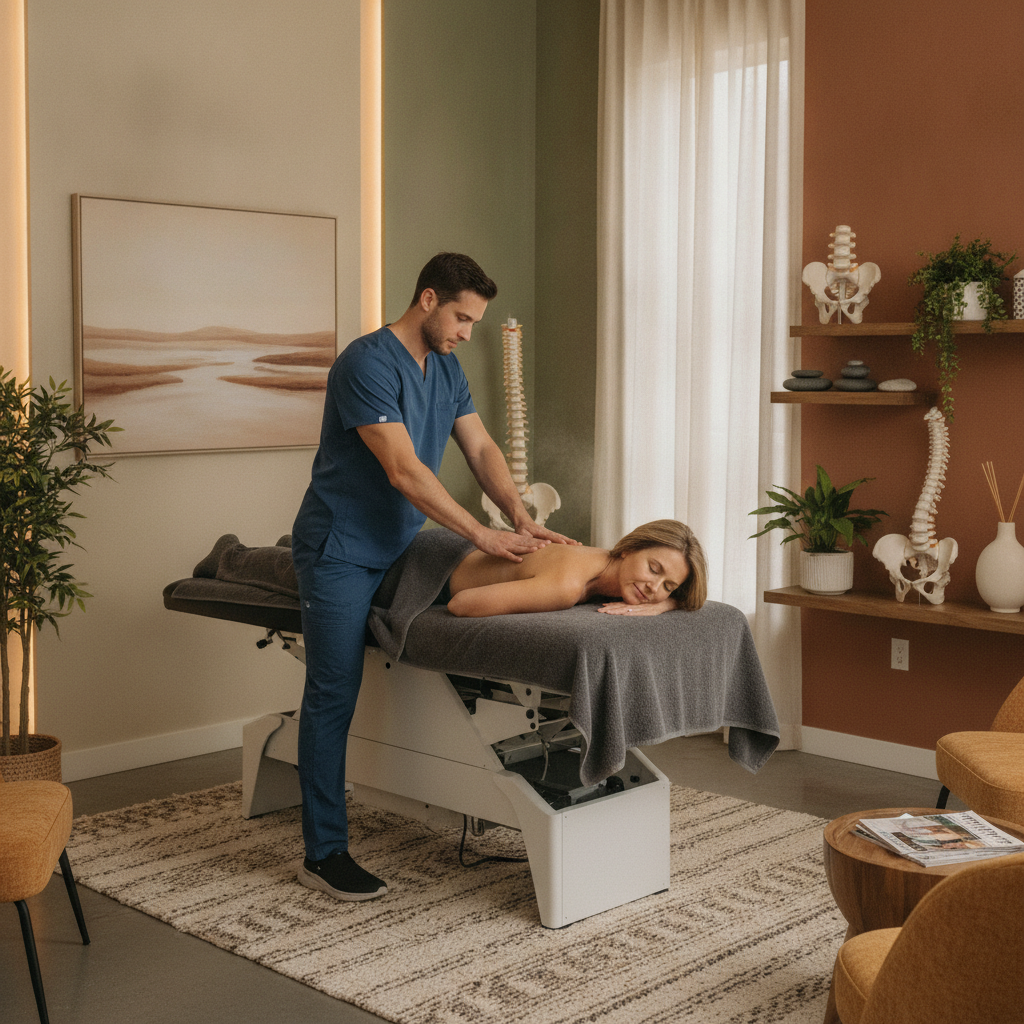
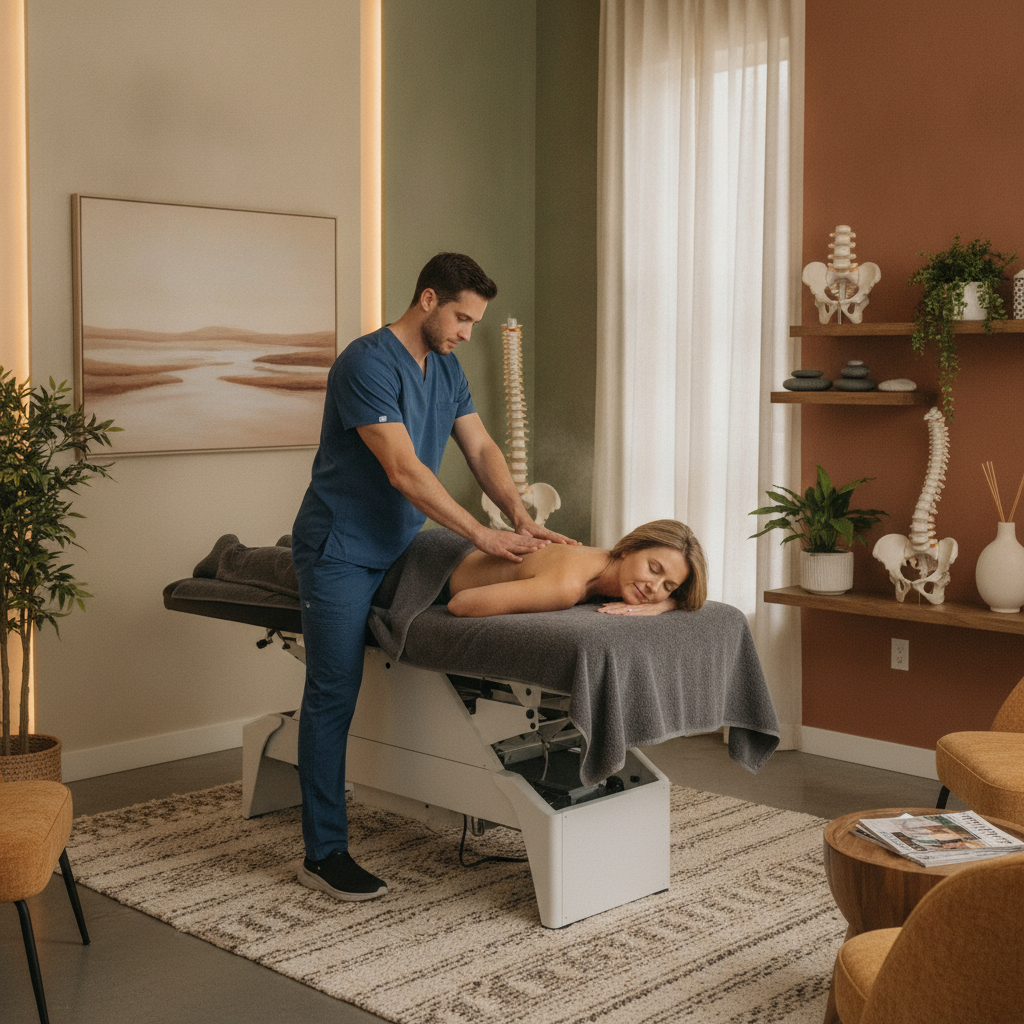
During the hands-on portion of the visit, you may be asked to lie on a treatment table or perform gentle movements. The practitioner will use their hands to apply specific pressures, stretches, or manipulations to targeted areas. Most patients find these treatments comfortable, though some techniques may produce mild soreness, similar to what you might feel after exercise.
Sessions usually last between 30 and 60 minutes. Your provider may also offer guidance on home exercises, posture, and ergonomics to support your recovery between visits. The number of sessions needed varies depending on the severity and duration of your back pain, as well as your response to care. Open communication with your provider is key to achieving the best results.
Comparing Manual Medicine to Other Back Pain Treatments
Manual medicine is just one of several options available for managing back pain. Traditional approaches often include medications, physical therapy, injections, or even surgery for severe cases. Each method has its own benefits and limitations, and the best choice depends on the individual’s diagnosis, preferences, and overall health.
One of the main advantages of manual medicine is its focus on natural healing and functional improvement. Unlike medications that may only mask symptoms, manual therapies aim to correct the underlying mechanical issues contributing to pain. They can also be combined with other treatments, such as exercise or acupuncture, for a more comprehensive approach.
However, manual medicine may not be suitable for everyone. People with certain medical conditions, such as severe osteoporosis, fractures, or active infections, may require alternative care. It’s important to discuss your full medical history with your provider to ensure that manual therapy is safe and appropriate for you.
The Role of Ergonomics and Movement in Back Pain Prevention
While manual medicine can be highly effective for relieving back pain, prevention is equally important. Many cases of back pain are linked to poor ergonomics, how we sit, stand, and move throughout the day. Small business owners and developers often spend long hours at computers or on the go, which can strain the back if proper posture and movement habits aren’t maintained.
Manual medicine providers frequently offer ergonomic assessments and personalized movement advice as part of their care. This might include recommendations for desk setup, lifting techniques, or stretching routines to reduce strain on the spine. Incorporating regular movement breaks and mindful posture adjustments can go a long way toward preventing future flare-ups.
By combining manual therapy with practical lifestyle changes, patients can not only find relief from current pain but also build resilience against future problems. This proactive approach is especially valuable in a high-demand work environment, where physical and mental stress can take a toll on the body.
How Manual Medicine Supports Recovery and Long-Term Health
Recovery from back pain is often a journey rather than a single event. Manual medicine supports this process by addressing both immediate symptoms and the underlying factors that contribute to discomfort. Regular sessions can help maintain spinal alignment, reduce muscle tension, and improve overall mobility.
Long-term benefits of manual medicine may include better posture, enhanced body awareness, and increased confidence in movement. These improvements can translate into greater productivity, reduced risk of re-injury, and a higher quality of life. Many patients find that ongoing maintenance visits help them stay active and pain-free, even in the face of daily stresses.
It’s important to remember that healing is a collaborative effort. Providers may recommend complementary therapies, such as strengthening exercises, mindfulness practices, or nutritional guidance, to support your recovery. By taking an active role in your care, you can maximize the benefits of manual medicine and enjoy lasting results.
Choosing the Right Manual Medicine Provider
Selecting a qualified provider is a critical step in your back pain treatment journey. Look for practitioners with specialized training in manual medicine, such as doctors of osteopathy (DOs), chiropractors, or physical therapists with advanced manual therapy certification. Experience with your specific type of back pain is also valuable.
When evaluating providers, consider their approach to care. Do they take the time to listen to your concerns and explain their methods? Are they willing to collaborate with other healthcare professionals if needed? Patient-centered care and open communication are hallmarks of effective manual medicine.
You may also want to ask about their experience with ergonomic assessments, movement coaching, or related therapies. Reading patient reviews and seeking recommendations from friends or colleagues can help you find a provider who fits your needs and values.
Table: Manual Medicine Techniques and Their Benefits
| Technique | Description | Primary Benefits |
|---|---|---|
| Spinal Manipulation | Hands-on adjustments to improve joint alignment and mobility. | Reduces pain, increases range of motion, supports posture. |
| Myofascial Release | Gentle pressure to release tension in connective tissues. | Eases muscle tightness, improves flexibility. |
| Trigger Point Therapy | Targeted pressure on knots or sensitive areas in muscles. | Relieves localized pain, reduces muscle spasms. |
| Joint Mobilization | Gentle, rhythmic movements to restore joint function. | Improves mobility, reduces stiffness. |
| Nerve Gliding | Guided movements to promote nerve health and reduce irritation. | Alleviates nerve pain, supports healing. |
Integrating Manual Medicine with Your Daily Routine
Manual medicine isn’t just about what happens in the clinic, it’s also about empowering you to take charge of your health every day. Providers often teach patients simple self-care strategies to reinforce the benefits of hands-on treatment. These might include targeted stretches, strengthening exercises, or mindfulness techniques to manage stress and tension.
For small business owners and developers, integrating these habits into a busy schedule can be challenging but rewarding. Setting reminders for movement breaks, optimizing your workspace, and practicing mindful posture can all contribute to lasting relief. The goal is to create sustainable routines that support your spine and overall well-being, even during hectic workdays.
By combining regular manual therapy with daily self-care, you can build a strong foundation for long-term back health. This holistic approach is especially valuable in a community where innovation and productivity are highly valued, helping you stay active and focused on what matters most.
When to Seek Manual Medicine for Back Pain
Knowing when to seek professional help is essential for effective back pain management. While minor aches often resolve with rest and self-care, persistent or worsening pain may signal a deeper issue. If you experience symptoms such as radiating pain, numbness, weakness, or difficulty performing daily activities, it’s time to consult a qualified provider.
Manual medicine is especially beneficial for people who have not found relief with conventional treatments or who prefer a noninvasive approach. Early intervention can prevent acute pain from becoming chronic and reduce the risk of complications. Don’t hesitate to reach out to a professional if your symptoms interfere with work, sleep, or quality of life.
Remember, every case of back pain is unique. A thorough evaluation by an experienced provider can help determine whether manual medicine is right for you and guide you toward the most effective path to recovery.
Final Thoughts
Manual medicine offers a unique, hands-on approach to back pain treatment in San Francisco, blending science, skill, and personalized care. For residents, small business owners, and tech professionals alike, this method provides a noninvasive way to address pain at its source, restore mobility, and support long-term health. By understanding your options and working with a qualified provider, you can take proactive steps toward a pain-free, active lifestyle. Remember, the journey to better back health is a partnership, one that empowers you to move, work, and live with greater comfort and confidence.