
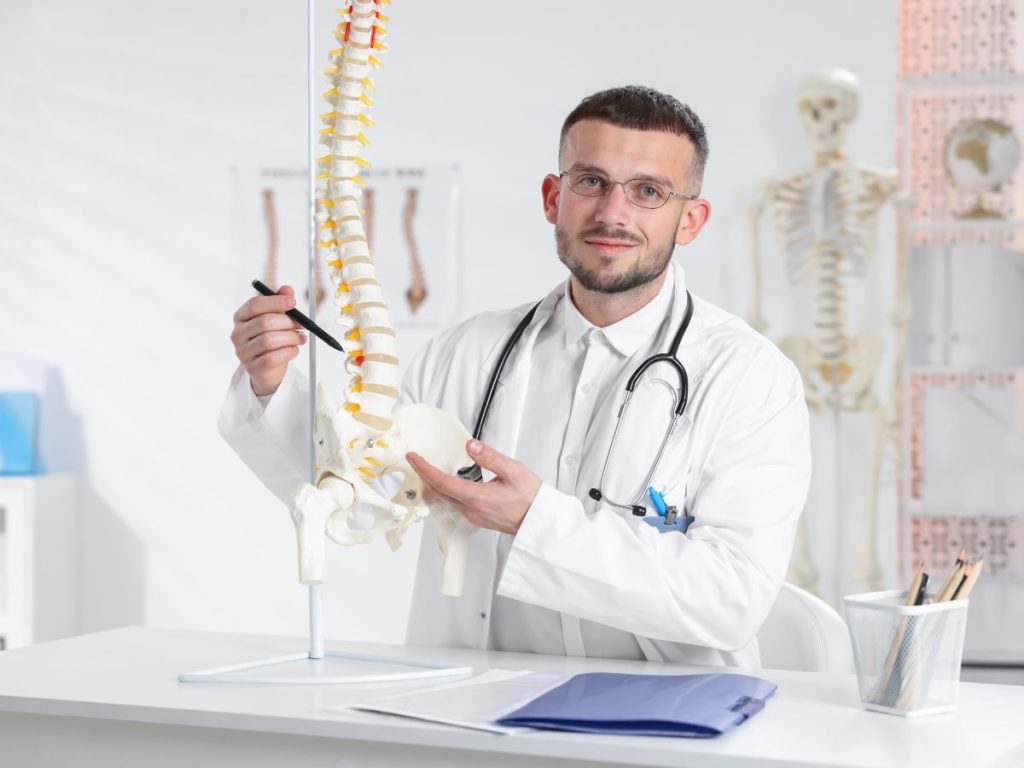
During a car accident, your spine faces sudden forces that can disrupt its alignment, leading to painful misalignments or serious injuries. Rapid deceleration causes your spine to bend unnaturally, increasing stress on vertebrae and surrounding tissues. Common injuries include whiplash, herniated discs, and fractures. These can result in pain, stiffness, or numbness. It’s essential to seek medical attention promptly; understanding these injuries can help you navigate recovery and next steps effectively.
Key Takeaways
- Sudden forces from a crash can misalign the spine, causing pain and limited mobility.
- Whiplash is a common injury, leading to neck pain, stiffness, and headaches.
- Rapid deceleration can cause unnatural spine bending, increasing stress on vertebrae and surrounding tissues.
- Seatbelts help prevent spinal injuries by distributing forces and keeping occupants secured in their seats.
- Early medical assessment is crucial for effective treatment and improved recovery outcomes after spinal injuries.
How Car Accidents Impact the Spine
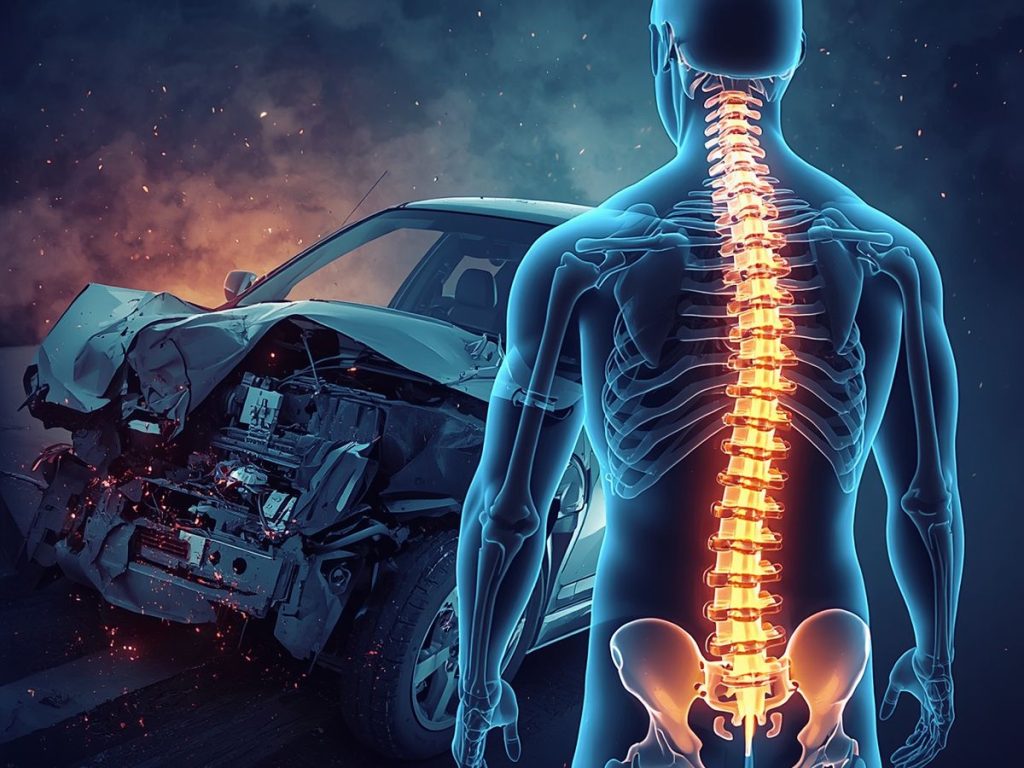
When you’re in a car accident, your spine can take a serious hit due to the sudden forces involved. The impact can disrupt your spinal alignment, leading to misalignments that might cause pain and limit mobility.
Your body isn’t prepared for such abrupt changes, and this can result in injuries ranging from whiplash to more severe spinal damage.
After the accident, focusing on injury recovery becomes vital. You might experience symptoms like stiffness, pain, or numbness, which can indicate underlying issues.
It’s essential to seek medical attention to assess any damage and get appropriate treatment. Physical therapy can help restore your spinal alignment and strengthen the muscles supporting your spine.
Immediate Steps to Take After a Car Accident to Avoid Spinal Injuries

Although the chaos following a car accident can be overwhelming, taking immediate steps can greatly reduce the risk of spinal injuries.
The aftermath of a car accident can be chaotic, but swift actions can significantly minimize the risk of spinal injuries.
Prioritizing your safety and well-being is essential. Here are some important first aid and safety tips to follow:
- Stay still: If you’re injured or unsure, remain in your position until help arrives. Moving can worsen injuries.
- Call for help: Contact emergency services immediately. Even if you feel fine, it’s critical to get a professional evaluation.
- Assess your surroundings: Verify the area is safe to avoid further accidents. If necessary, move to a safer location.
Common Types of Spinal Injuries From Collisions
In a car accident, your spine faces serious risks that can lead to various injuries.
You might experience whiplash, which can cause neck pain and stiffness, or suffer from herniated discs that affect your mobility.
Spinal fractures are also a concern, potentially leading to long-term complications if not treated promptly.
Whiplash Injuries Explained
Understanding whiplash injuries is vital, especially since they’re among the most common spinal injuries resulting from car collisions.
When your head snaps forward and backward suddenly, it can lead to various whiplash symptoms, including:
- Neck pain and stiffness
- Headaches
- Dizziness or blurred vision
Recognizing these symptoms early can help you seek appropriate whiplash treatment.
Treatment options often include physical therapy, medication for pain relief, and sometimes chiropractic care.
It’s important to listen to your body; ignoring symptoms can lead to chronic pain and other complications.
If you experience any signs of whiplash after an accident, consult a healthcare professional promptly to guarantee proper care and recovery.
Your spine deserves attention for a healthier future.
Herniated Discs Overview
Whiplash isn’t the only spinal injury you might face after a car accident. A herniated disc occurs when the soft center of a spinal disc pushes through a crack in the tougher exterior, often leading to pain and discomfort.
You might experience herniated symptoms like sharp pain, numbness, or weakness in your limbs, depending on the affected area.
Treatment options vary based on severity. Initially, doctors might recommend rest, physical therapy, or medications to manage pain.
In some cases, injections or surgery may be necessary to relieve pressure on nerves. Understanding these risks can help you recognize symptoms early and seek appropriate care, ensuring a better chance of recovery.
Spinal Fractures Risks
Spinal fractures can pose serious risks following a car accident, leading to significant pain and potential long-term complications.
When you experience a fracture, your spinal stability may be compromised, affecting your overall mobility and health. Understanding the common fracture types can help you recognize the dangers:
- Compression Fractures: Often occur in the vertebrae, leading to pain and possible nerve damage.
- Fracture-Dislocations: Involve both a fracture and dislocation of vertebrae, risking serious spinal cord injury.
- Transverse Process Fractures: Less severe but can still cause pain and discomfort.
Recognizing these risks can guide you in seeking timely medical attention, which is essential for your recovery and maintaining spinal stability.
Mechanics of Spinal Trauma in Car Accidents
When a car crashes, your body experiences sudden forces that can lead to severe spinal trauma. These impact forces can disrupt your spinal alignment, resulting in injuries ranging from minor strains to serious fractures.
As the vehicle decelerates rapidly, your body may continue moving forward, causing your spine to twist or bend unnaturally. This abrupt motion places immense stress on the vertebrae and surrounding tissues, which can lead to misalignments and damage.
If your head snaps back and forth, it further exacerbates the risk of whiplash, affecting the cervical spine. Even in low-speed collisions, the forces involved can be significant, causing injuries that aren’t always immediately apparent.
Understanding these mechanics can help you appreciate the importance of seeking medical evaluation after an accident, even if you feel fine initially. Taking these steps early can protect your spinal health in the long run.
Identifying Symptoms of Spinal Injuries
After experiencing the sudden forces of a car accident, it’s vital to recognize the signs of potential spinal injuries. Early symptom recognition can be significant for effective injury assessment and treatment.
Recognizing signs of spinal injuries after a car accident is crucial for prompt treatment and better recovery outcomes.
Pay attention to the following symptoms:
- Pain or discomfort in the neck or back, which may feel sharp or radiate.
- Numbness or tingling in the limbs, indicating possible nerve involvement.
- Loss of mobility or difficulty moving certain body parts, suggesting a more serious injury.
If you notice any of these symptoms, seek medical attention immediately. Spinal injuries can lead to long-term complications if not addressed promptly.
Understanding these signs can empower you to take the necessary steps for your well-being after an accident. Always prioritize your health and consult a healthcare professional for a thorough evaluation.
How Seatbelts Help Prevent Spinal Injuries in Accidents
Seatbelts play an essential role in protecting your spine during a car accident.
They distribute the force of a collision across your body, helping to keep you in a proper position and reduce the risk of whiplash.
Energy Distribution Mechanism
Although many people underestimate their importance, seatbelts play an essential role in protecting your spine during a car accident. They effectively distribute energy across your body, minimizing the risk of severe injuries.
Here’s how they work:
- Force absorption: Seatbelts absorb and spread the forces generated during a crash, reducing direct impact on your spine.
- Impact dynamics: By keeping you securely in place, seatbelts limit the forward motion of your body, which can otherwise lead to spinal injuries.
- Preventing ejection: They prevent you from being thrown from the vehicle, a scenario that often results in catastrophic spinal damage.
In essence, wearing a seatbelt is a simple yet effective way to safeguard your spine when you’re on the road.
Proper Positioning Benefits
When you’re properly positioned in your seat, a seatbelt can greatly reduce the risk of spinal injuries during a car accident. Proper alignment is essential; your body needs to be securely held in place to absorb and distribute impact forces effectively.
A seatbelt keeps you anchored, preventing excessive movement that can lead to serious spinal injuries. Additionally, ergonomic support from the seat itself helps maintain a natural posture, reducing strain on your spine.
This alignment, combined with the seatbelt’s protective function, minimizes the chance of whiplash and other traumatic injuries. Remember, being buckled up not only protects you but also guarantees your spine remains safeguarded, allowing your body to respond better in the event of an accident.
Reducing Whiplash Effects
Proper positioning in your seat not only helps maintain spinal alignment but also plays a significant role in reducing whiplash injuries during collisions.
Wearing a seatbelt properly is essential for whiplash prevention. Here are some key practices to take into account:
- Adjust your seat: Make sure your seat is positioned so your back is supported and your knees are slightly above your hips.
- Use headrests: Position the headrest so it’s just above your head, minimizing forward motion during an impact.
- Engage in posture training: Strengthening your core and practicing good posture can improve your resilience against sudden movements.
What to Expect After a Spinal Injury From a Car Accident
After a spinal injury from a car accident, you may experience a range of physical and emotional challenges that can greatly impact your daily life. You might deal with pain, limited mobility, or even changes in sensation.
It’s essential to focus on rehabilitation strategies that suit your needs. Working with healthcare professionals can help you regain strength and flexibility, allowing you to return to your normal activities.
Emotional support is equally vital during this time. You may feel overwhelmed, anxious, or frustrated, and it’s important to talk about these feelings. Connecting with support groups, friends, or mental health professionals can make a significant difference in your recovery journey.
Importance of Seeking Medical Evaluation for Spinal Injuries
After a car accident, it’s essential to seek a medical evaluation for any potential spinal injuries.
Early detection can greatly improve your recovery and reduce long-term health risks.
Ignoring symptoms now might lead to severe complications down the road.
Early Detection Benefits
When you’re involved in a car accident, seeking prompt medical evaluation for spinal injuries can greatly impact your recovery. Early detection through medical assessments allows for better outcomes.
Here are some benefits of early screenings and proactive care:
- Identifies injuries sooner: Catching spinal issues early can prevent them from worsening.
- Enhances treatment options: You’ll have access to a wider range of therapies tailored to your needs.
- Supports recovery planning: Understanding your condition helps you set realistic recovery goals.
Long-Term Health Risks
Ignoring the need for a medical evaluation after a car accident can lead to serious long-term health risks, especially concerning spinal injuries. You may experience spinal degeneration, chronic pain, and mobility issues if you don’t seek prompt care. Nerve damage can also occur, affecting your daily life and requiring extensive rehabilitation strategies. Additionally, the psychological effects of living with these injuries can be profound, leading to anxiety and depression.
| Health Risk | Description |
| Spinal Degeneration | Gradual wear and tear on spinal discs |
| Chronic Pain | Persistent discomfort affecting daily activities |
| Mobility Issues | Difficulty with movement and flexibility |
Taking action early on can help you avoid these complications and improve your overall quality of life.
Treatment Options for Spinal Injuries
While spinal injuries from car accidents can be challenging, understanding the treatment options available can empower you to make informed decisions. Treatment typically involves a combination of methods tailored to your specific needs, focusing on rehabilitation techniques and pain management.
- Physical Therapy: This helps improve strength and mobility through guided exercises.
- Medications: Over-the-counter or prescription drugs can alleviate pain and reduce inflammation.
- Surgery: In severe cases, surgical intervention may be necessary to stabilize the spine or relieve pressure on nerves.
Each option has its benefits, and a healthcare professional can help determine the best approach for you. Engaging in rehabilitation techniques can enhance your recovery process, while effective pain management can greatly improve your quality of life.
How Can You Prevent Spinal Injuries in Future Accidents?
How can you protect your spine in the event of a car accident? First, prioritize preventive measures. Always wear your seatbelt; it’s your first line of defense.
Always wear your seatbelt; it’s your first line of defense in protecting your spine during a car accident.
Invest in safety equipment, like airbags, which are designed to reduce impact. Consider vehicle design too; newer cars often have advanced safety features that can help protect your spine.
Engage in driver education to stay informed about safe driving practices. This knowledge can help you avoid accidents altogether.
Additionally, make sure your car has ergonomic seating, which supports your spine and reduces strain during a crash.
Finally, participate in awareness training to recognize hazards on the road. The more aware you are, the better you can react to potential dangers.
Frequently Asked Questions
Can Spinal Injuries Be Detected Without Immediate Medical Evaluation?
Spinal injuries can’t always be detected without immediate medical evaluation. You’re relying on symptom awareness and injury indicators, like pain or numbness. Don’t ignore these signs; seek help to guarantee your safety and health.
How Do Weather Conditions Affect Spinal Injury Severity in Accidents?
Weather conditions can greatly impact accident severity. Rain or snow can reduce traction, increasing the risk of high-impact collisions. Poor visibility also heightens danger, potentially leading to more severe spinal injuries during these accidents.
Are Certain Vehicle Types Safer for Preventing Spinal Injuries?
Yes, certain vehicle types are safer for preventing spinal injuries. Vehicles with better safety ratings and advanced vehicle designs, like SUVs or sedans with reinforced structures, often provide enhanced protection in accidents, reducing injury risk.
Can Pre-Existing Conditions Worsen Spinal Injuries From Accidents?
Yes, pre-existing conditions can worsen injury severity from accidents. Your body might already be vulnerable, so the impact could lead to more serious spinal injuries. It’s essential to manage those conditions for better outcomes.
What Role Do Airbags Play in Spinal Injury Prevention?
Airbags greatly enhance safety by absorbing impact energy, reducing injury mechanisms that can harm your spine. Their effectiveness in minimizing sudden deceleration helps prevent serious spinal injuries during collisions, making them essential for passenger protection.
Final Thoughts
A car accident can place sudden, intense stress on the spine, and some injuries are not always obvious right away. Even if symptoms seem minor at first, issues like misalignment, soft tissue damage, or disc injuries can worsen over time if they are not properly evaluated. The most important step is to take your symptoms seriously and get the right care as early as possible.
At Agnew Family Wellness, we help patients recover with personalized accident care and advanced chiropractic care focused on restoring function, reducing pain, and supporting long-term spinal health. If you have been in an accident and are dealing with back pain, neck pain, stiffness, or other injury-related symptoms, now is the time to act. Learn more about our approach to lasting recovery and wellness through our blog, or contact us today to schedule your next step toward healing.