
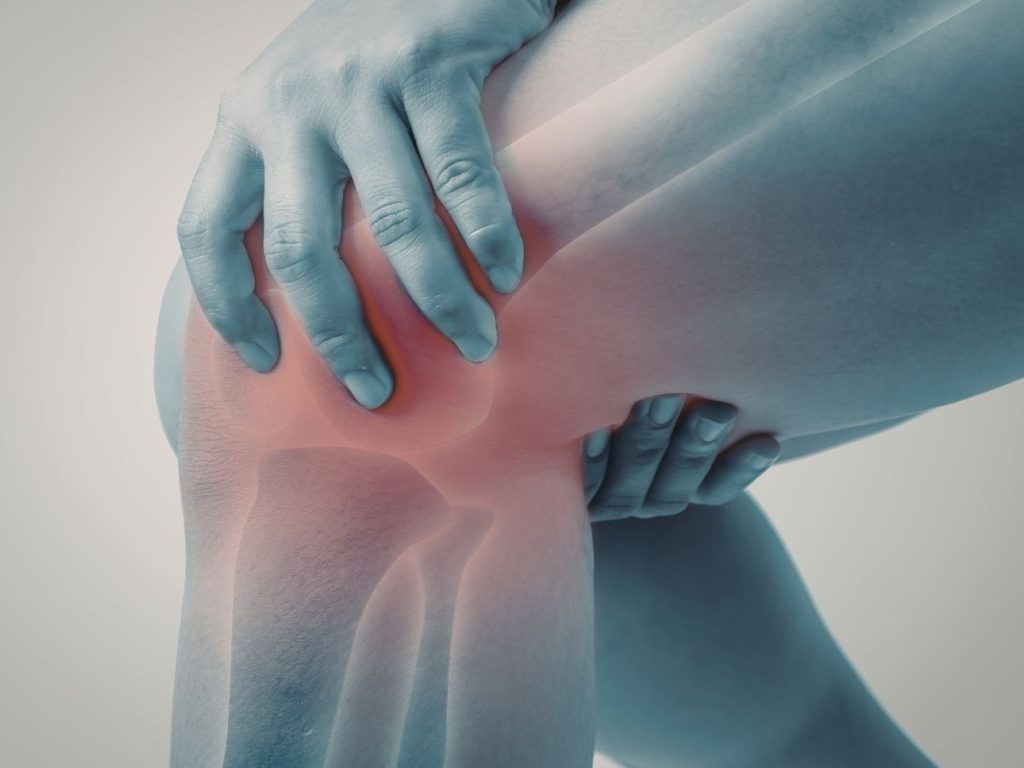
When you’re dealing with injuries, understanding the difference between soft tissue and bone injuries is essential. Soft tissue injuries, like sprains or strains, often heal faster and focus on pain management and rehabilitation. On the other hand, bone injuries, including fractures, usually require more time and may need surgical intervention. Both types come with unique symptoms and recovery processes. Curious about specific treatments and rehabilitation strategies? There’s more to uncover!
Key Takeaways
- Soft tissue injuries affect muscles, ligaments, and tendons, while bone injuries involve fractures and skeletal structures.
- Healing time for soft tissue injuries ranges from days to weeks, whereas bone injuries typically require weeks to months.
- Rehabilitation for soft tissue focuses on pain management and strengthening, while bone rehabilitation emphasizes mobility and functional training.
- Injury prevention for soft tissue injuries relies on muscle strength, while bone injuries focus on maintaining bone density and stability.
- Pain management for soft tissue injuries often requires diverse modalities, while bone injuries may need surgical intervention for fractures.
Understanding Soft Tissue Injuries: Types and Symptoms
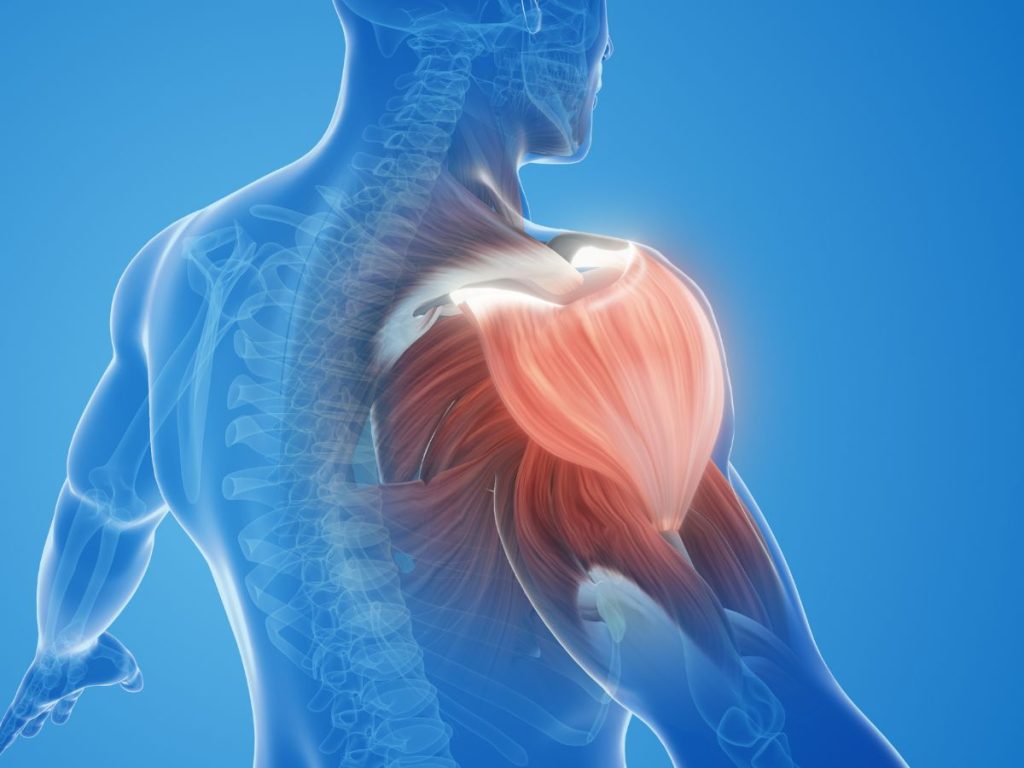
When you experience a soft tissue injury, it’s essential to understand the types and symptoms involved.
Sprain symptoms often include swelling, bruising, and pain around the joint.
Sprains commonly present with swelling, bruising, and localized pain around the affected joint.
Strain treatment usually focuses on rest and ice, helping alleviate muscle soreness.
Contusion recovery may require gentle movement to promote healing in the affected area.
Tendon injuries can cause stiffness and discomfort, while ligament tears might lead to instability and severe pain.
Maintaining fascia health is crucial, as tight fascia can contribute to further injuries.
Pay attention to any cartilage damage, which can lead to joint issues if not addressed promptly.
Recognizing these symptoms allows you to seek appropriate care and prevent further complications.
Understanding the nuances of each injury type helps you respond effectively and aids in a faster recovery.
Common Bone Injuries: Types and Symptoms
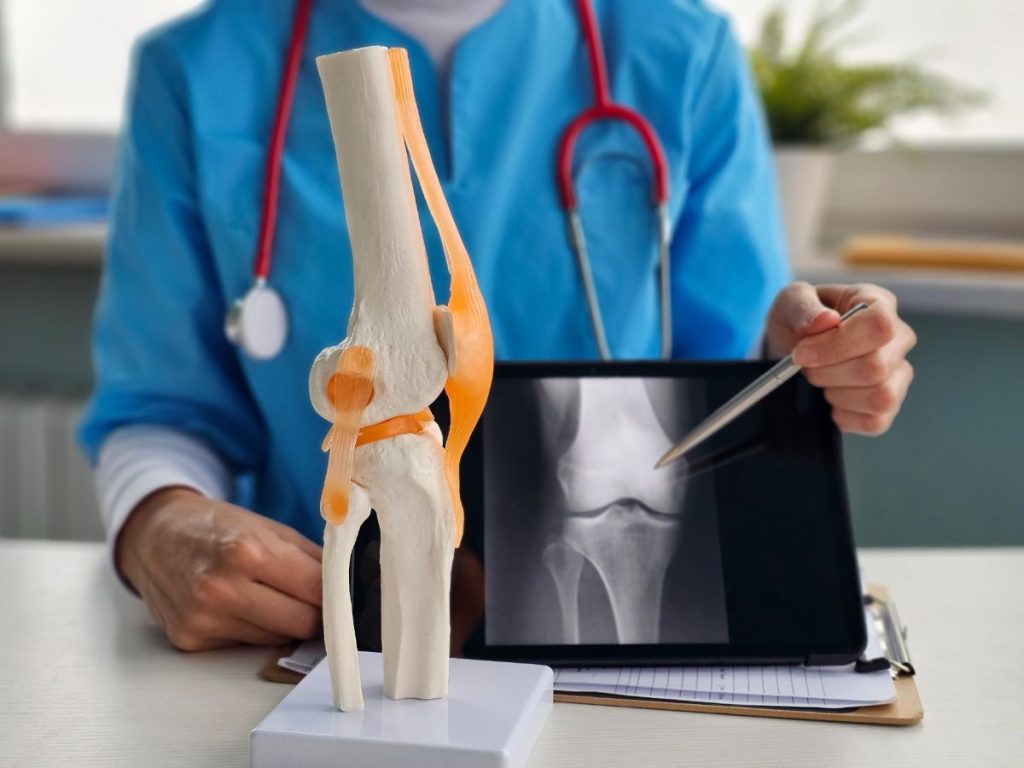
Bone injuries can vary widely, with fractures and breaks being among the most common. You might experience a stress fracture from repetitive strain, or an avulsion fracture if a tendon pulls away part of the bone.
Compound fractures can be particularly severe, where the bone breaks through the skin. In children, greenstick fractures occur, bending the bone without a complete break.
Compression fractures often arise in weakened bones, such as those affected by osteoporosis. Pathological fractures happen due to underlying conditions, while displaced fractures involve bones that no longer align properly.
In contrast, non-displaced fractures keep the bone fragments in place. Each type comes with its own symptoms, like swelling, pain, or difficulty moving the affected area.
Recognizing these signs early can lead to better treatment outcomes, so it’s essential to seek medical attention if you suspect a bone injury.
Comparing Soft Tissue and Bone Injuries: Key Distinctions
When you compare soft tissue injuries to bone injuries, you’ll notice significant differences in healing times and treatment methods.
Soft tissue injuries typically heal faster, but their treatment might require more rehabilitation.
On the other hand, bone injuries often need immobilization and longer recovery periods.
Healing Time Differences
While both soft tissue and bone injuries can disrupt your daily life, their healing times differ markedly.
Soft tissue injuries, like sprains and strains, often heal within a few days to several weeks, depending on the severity. Factors like blood supply and activity level play significant roles in these healing factors.
On the other hand, bone injuries, such as fractures, typically require a longer recovery timeline—often several weeks to months. The healing process for bones is more complex since they need to regenerate tissue and align properly.
Understanding these differences can help you set realistic expectations for your recovery journey, ensuring you take the necessary steps for healing and rehabilitation.
Treatment Approaches Comparison
Understanding the differences in healing times between soft tissue and bone injuries also sheds light on their treatment approaches.
Soft tissue injuries often require more focus on pain management and rehabilitation timelines. You might explore alternative therapies like physical therapy or acupuncture to improve recovery.
For bone injuries, surgical interventions may be necessary, especially for fractures, and diagnostic imaging plays a crucial role in determining the extent of the damage.
Athlete considerations are essential, as recovery challenges differ markedly. Injury prevention strategies also vary; while soft tissue injuries may benefit from strength training, bone injuries emphasize proper technique and conditioning.
Ultimately, tailored treatment plans guarantee you address specific needs effectively, promoting a smoother recovery process.
Diagnosis of Soft Tissue Injuries
Diagnosing soft tissue injuries requires a keen eye and thorough assessment, as these injuries can often mimic other conditions. You’ll start with a detailed physical examination, paying close attention to the affected area.
Symptom evaluation is vital; consider factors like pain, swelling, and mobility limitations.
Symptom evaluation is essential—pay attention to pain, swelling, and mobility limitations for accurate diagnosis.
Next, you’ll use imaging techniques, such as ultrasound or MRI, to gain a clearer picture of the injury. These tools help rule out other potential issues in your differential diagnosis.
It’s important to classify the injury correctly, whether it’s a sprain, strain, or tear, to guide your treatment.
Utilizing effective assessment methods will enhance your understanding of the injury’s severity and guide your recovery plan.
Diagnosis of Bone Injuries
Bone injuries often present distinct signs that require careful examination to guarantee accurate diagnosis. When evaluating a potential bone injury, you’ll typically start with a clinical evaluation, which includes a physical examination and patient history. Imaging techniques, like X-rays or MRIs, play an essential role in confirming the injury and ruling out other issues.
Here’s a quick overview of the diagnostic process:
| Aspect | Details |
| Clinical Evaluation | Evaluate symptoms and history |
| Imaging Techniques | X-ray, MRI, CT scans |
| Diagnostic Criteria | Pain, swelling, deformity |
| Differential Diagnosis | Rule out soft tissue injuries |
| Follow-up | Monitor healing and symptoms |
How to Treat Soft Tissue Injuries Effectively
Treating soft tissue injuries effectively requires a focused approach that minimizes pain and promotes healing. Start with an injury assessment to determine the severity of your injury.
Use the RICE method—Rest, Ice, Compression, and Elevation—to reduce swelling and provide immediate relief. Compression therapy can further stabilize the area and support recovery. For pain management, over-the-counter medications might help, but consult a healthcare professional if pain persists.
As you progress, set clear rehabilitation goals. Engaging in physical therapy can enhance your recovery timeline, helping you regain strength and flexibility.
Your therapist will tailor a program to your needs, ensuring you’re on the right track. Remember, patience is key; rushing back can lead to setbacks.
Prioritize listening to your body and follow your therapist’s advice to achieve the best recovery. By taking these steps, you’ll be on your way to effective healing and a return to your normal activities.
Treating Bone Injuries
When dealing with any injury, understanding the differences in treatment is fundamental. Bone injuries often require specific approaches, including diagnostic imaging to assess the damage.
Depending on the severity, you might face surgery options such as internal fixation or joint replacement. Recovery protocols vary, but they typically involve pain management strategies to help you cope during healing.
You’ll also need to adhere to rehabilitation timelines, which can differ based on the injury type and treatment received. Surgical interventions may require a longer recovery period, so be prepared for gradual progress.
It’s vital to take into account the long-term effects of your injury and treatment; some may lead to chronic pain or mobility issues.
To minimize future risks, focus on prevention strategies like strengthening exercises and proper techniques in sports or daily activities. Taking these steps will help you heal effectively and return to your normal routine.
Rehabilitation Strategies for Soft Tissue Injuries
When you’re recovering from a soft tissue injury, effective rehabilitation strategies are key.
You’ll want to explore various modalities for pain relief and understand the importance of strengthening exercises.
These approaches can greatly speed up your recovery and help you regain full function.
Modalities for Pain Relief
Although soft tissue injuries can be painful and frustrating, various modalities for pain relief can greatly enhance your rehabilitation process. Here are some effective options:
| Modality | Description |
| Heat Therapy | Increases blood flow for healing. |
| Cold Therapy | Reduces swelling and numbs pain. |
| Electrical Stimulation | Stimulates nerves to alleviate pain. |
| Ultrasound Therapy | Promotes tissue healing with sound waves. |
Additionally, massage techniques can relax muscles, while acupuncture benefits can reduce chronic pain. TENS therapy offers a non-invasive option, and cryotherapy methods can help with inflammation. Compression therapy aids in reducing swelling, and herbal remedies may provide natural relief. Exploring these options can greatly improve your recovery journey.
Strengthening Exercises Importance
After managing pain with various modalities, focusing on strengthening exercises becomes important for your rehabilitation from soft tissue injuries. These exercises not only help rebuild muscle strength but also improve stability and flexibility, which are essential for your recovery.
By engaging in targeted strengthening, you can experience significant strengthening benefits, enabling you to return to your regular activities more confidently.
Moreover, strengthening exercises play a significant role in injury prevention. They prepare your body to handle stress and reduce the risk of future injuries.
When your muscles and surrounding tissues are strong, they can better support your joints. So, commit to a well-structured strengthening program, and you’ll enhance your recovery while safeguarding your body against future soft tissue issues.
Rehabilitation Strategies for Bone Injuries
Rehabilitating bone injuries requires a tailored approach to guarantee proper healing and restore function.
First, you’ll want to engage in manual therapy to improve mobility and reduce stiffness. As you progress, functional training becomes vital; it helps you regain strength and coordination in daily activities.
Progressive loading is key; gradually increasing weight or resistance makes certain your bones adapt without overloading them.
Don’t forget about patient education—understanding your injury and its healing process empowers you to make informed decisions.
Activity modification is also essential; adapting your daily routines can prevent re-injury while you heal.
Finally, focus on range improvement exercises to enhance flexibility and joint movement.
Frequently Asked Questions
Can Soft Tissue Injuries Lead to Chronic Pain?
Yes, soft tissue injuries can lead to chronic pain if not managed properly. Effective injury management, including rest, rehabilitation, and pain relief, is essential to prevent long-term discomfort and promote healing. Stay proactive in your recovery!
Are Bone Injuries More Likely to Require Surgery?
Yes, bone injuries often require surgery more than soft tissue injuries. However, you should consider surgery risks and evaluate recovery outcomes, as surgical interventions can greatly impact your healing process and long-term function.
How Can I Prevent Soft Tissue Injuries?
To prevent soft tissue injuries, focus on preventive measures like warming up, strengthening muscles, and maintaining flexibility. Injury awareness helps you recognize risks and adjust your activities, keeping you safer during workouts and daily tasks.
What Is the Healing Time for Bone Injuries?
Healing time for bone injuries usually ranges from six to eight weeks, depending on recovery factors like age, injury type, and overall health. You’ll experience different healing stages, so patience is key during this process.
Are There Age Differences in Injury Recovery Rates?
Yes, age factors greatly influence recovery dynamics. Younger individuals typically heal faster due to better circulation and cell regeneration. In contrast, older adults may experience prolonged recovery times due to decreased resilience and slower healing processes.
Final Thoughts
Soft tissue injuries and bone injuries can look very different, but both deserve prompt attention after an accident. Soft tissue damage can cause lingering pain, swelling, and reduced mobility even when imaging does not show a fracture, while bone injuries may require a longer recovery timeline and more intensive care. The most important step is making sure the injury is properly evaluated so the right treatment plan can begin as early as possible.
At Agnew Family Wellness, we provide personalized accident care and advanced chiropractic care to help patients recover from both soft tissue injuries and accident-related musculoskeletal damage. Whether you are dealing with pain, stiffness, or limited movement after an injury, we are here to help you move toward lasting recovery with the right support. Explore more helpful recovery information on our blog or contact us today to take the next step toward healing.