
Back pain after a sports injury can be a frustrating setback, especially for active individuals and professionals who rely on mobility and focus in their daily lives. Whether you’re a small business owner who enjoys weekend tennis, a developer who unwinds with a morning run, or simply someone who values an active lifestyle, understanding your options for back pain treatment San Francisco is essential for a safe and successful recovery. The right approach can mean the difference between a lingering issue and a confident return to your favorite activities. This guide explores the full spectrum of recovery, rehabilitation, and return-to-activity strategies available locally, so you can make informed decisions and get back to doing what you love with less pain and more confidence.
Understanding Sports-Related Back Injuries
Sports injuries to the back can range from acute strains and sprains to more complex issues like herniated discs, stress fractures, or facet joint irritation. The type of injury often depends on the sport, the intensity of activity, and individual biomechanics. For example, runners may experience lower back discomfort from repetitive impact, while tennis players might suffer from rotational strains. Recognizing the nature of your injury is the first step in seeking effective care. Symptoms such as sharp pain, stiffness, muscle spasms, or radiating discomfort down the leg can signal different underlying issues. Early identification and intervention are crucial, as untreated injuries can lead to chronic pain or compensatory problems elsewhere in the body. Consulting with a provider like Agnew Family can help clarify the diagnosis and set you on the right path to recovery.
Initial Steps After a Back Injury on the Field
The moments and days following a sports-related back injury are critical for minimizing long-term damage. Immediate steps should include stopping the activity, applying ice to reduce inflammation, and resting the affected area. Over-the-counter pain relievers can help manage discomfort, but it’s important not to mask pain and risk further injury. Gentle movement, such as walking or light stretching, may be encouraged if it doesn’t increase symptoms. Avoiding heavy lifting or intense exercise during this phase is key. If pain persists beyond a few days, worsens, or is accompanied by symptoms like numbness, tingling, or weakness, it’s time to seek professional evaluation. Providers in the area use a combination of physical exams, movement assessments, and sometimes imaging to determine the extent of the injury. For more detailed insight into this diagnostic process, see How San Francisco Providers Diagnose the Source of Sciatica Pain.
Rehabilitation Pathways for Active Individuals
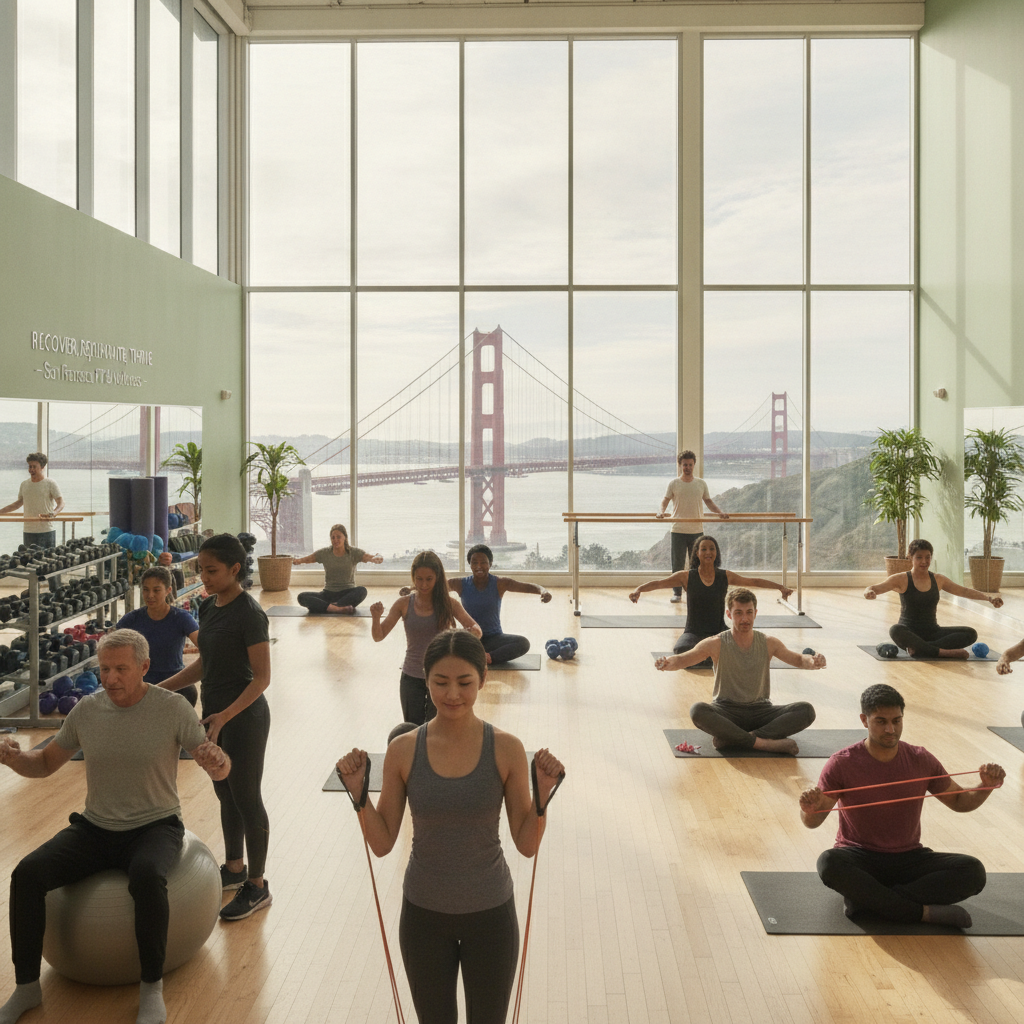
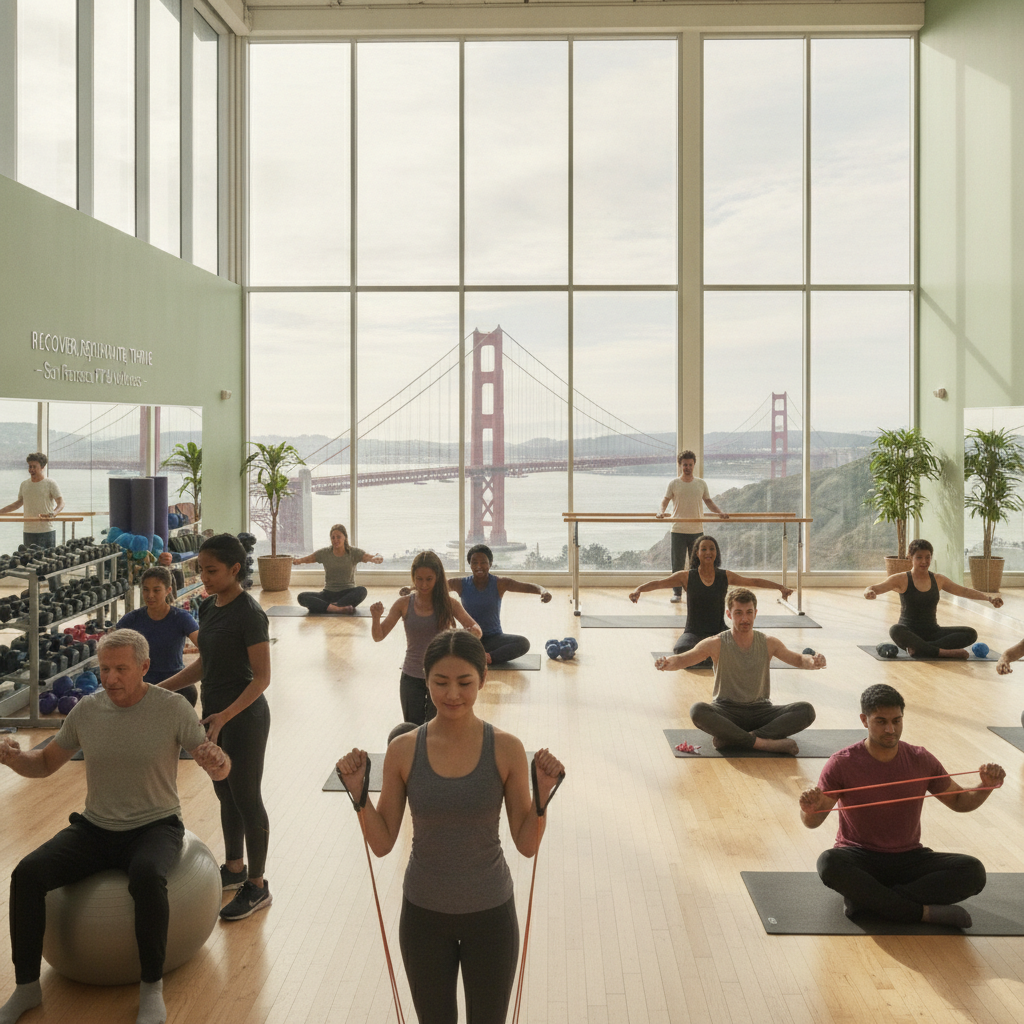
Rehabilitation is the cornerstone of returning to activity after a sports-related back injury. The process typically begins with pain management and gentle mobility exercises, progressing to targeted strengthening and functional training. Physical therapists customize programs based on the specific demands of your sport and your individual goals. Modalities such as manual therapy, soft tissue mobilization, and neuromuscular re-education may be used to restore movement and reduce compensatory patterns. Core stability and hip mobility are often emphasized, as these areas play a vital role in supporting the spine during athletic activity. Gradual reintroduction to sport-specific drills ensures that you build resilience and confidence. For those dealing with nerve involvement or persistent symptoms, approaches like nerve glides or specialized physical therapy may be recommended, as discussed in San Francisco Sciatica Care: When Physical Therapy and Nerve Glides Can Help.
How Providers Determine Readiness to Return to Activity
One of the most common questions after a back injury is, “When can I get back to my sport?” Providers use a combination of objective measures and subjective feedback to make this decision. Key factors include pain levels, range of motion, strength, and movement quality. Functional testing, such as single-leg balance, jump landing, or agility drills, may be used to assess readiness. Providers also consider your confidence and psychological readiness, as fear of reinjury can impact performance. Communication between you, your therapist, and your coach (if applicable) is essential to create a graduated return-to-play plan. This plan typically involves increasing intensity and complexity of movements in a controlled environment before returning to full competition or strenuous activity. Monitoring for any recurrence of symptoms during this process helps prevent setbacks and ensures a sustainable recovery.
Non-Invasive Treatment Options for Sports-Related Back Pain
Many back injuries from sports can be managed effectively without surgery. Non-invasive options include physical therapy, chiropractic care, massage, acupuncture, and modalities such as ultrasound or electrical stimulation. These therapies aim to reduce pain, restore mobility, and address underlying biomechanical imbalances. Manual therapy techniques can help release tight muscles and improve joint function, while guided exercise programs build strength and stability. Some providers may also incorporate education on posture, body mechanics, and self-care strategies to empower you in your recovery. The integration of multiple modalities, tailored to your specific needs, often leads to the best outcomes. For persistent or severe cases, advanced interventions like regenerative medicine or injections may be considered, but most active individuals recover well with conservative care and a structured rehabilitation plan.
Preventing Future Back Injuries in Sports
Prevention is just as important as treatment when it comes to sports-related back pain. Building a strong, flexible core and maintaining good hip and lower limb mobility are foundational for spinal health. Warm-up routines that include dynamic stretching and sport-specific drills prepare the body for activity and reduce injury risk. Cross-training, or incorporating different types of exercise, can help balance muscle development and prevent overuse injuries. Paying attention to technique, whether in lifting, running, or swinging, is crucial for minimizing strain on the back. Regular check-ins with a physical therapist or movement specialist can identify early signs of dysfunction and provide corrective exercises. Finally, listening to your body and allowing adequate recovery between intense sessions can help you stay active and pain-free for the long term.
Table: Comparing Common Sports Back Injuries and Recovery Timelines
| Injury Type | Typical Cause | Symptoms | Expected Recovery Time |
|---|---|---|---|
| Muscle Strain | Overstretching, sudden movements | Localized pain, tightness | 1–3 weeks |
| Ligament Sprain | Twisting, impact | Swelling, instability | 2–6 weeks |
| Herniated Disc | Heavy lifting, repetitive flexion | Radiating pain, numbness | 4–12 weeks |
| Stress Fracture | Repetitive impact | Deep ache, pain with activity | 6–12 weeks |
| Facet Joint Irritation | Hyperextension, twisting | Localized pain, stiffness | 2–6 weeks |
This table provides a general overview. Individual recovery times may vary based on severity, age, and adherence to rehabilitation protocols. Always consult a healthcare provider for personalized guidance.
The Role of Ergonomics and Daily Habits in Healing
While sports injuries often occur on the field, your daily habits play a significant role in both healing and prevention. Poor posture at work, prolonged sitting, and improper lifting techniques can all exacerbate back pain or delay recovery. Ergonomic adjustments, such as using a supportive chair, positioning your computer monitor at eye level, and taking regular movement breaks, can reduce strain on healing tissues. Incorporating gentle mobility exercises throughout the day helps maintain flexibility and circulation. For business owners and developers who spend long hours at a desk, standing desks or active sitting solutions may be beneficial. Mindfulness practices, such as body scans or breathing exercises, can also help manage pain and promote relaxation. Integrating these habits into your routine supports your rehabilitation and lowers the risk of future flare-ups.
When to Seek Specialized Care
Most sports-related back injuries improve with conservative care, but there are times when specialized intervention is necessary. Warning signs include persistent or worsening pain, neurological symptoms (such as numbness, tingling, or weakness), or loss of bladder or bowel control. In these cases, prompt evaluation by a spine specialist is critical to rule out serious conditions and determine the need for advanced imaging or interventions. Providers in this city collaborate with orthopedic surgeons, pain management specialists, and rehabilitation experts to offer a comprehensive approach. Early referral can expedite recovery and prevent complications. If you’re unsure whether your symptoms warrant specialist attention, err on the side of caution and seek a professional opinion. Timely care can make a significant difference in your outcome and peace of mind.
Mental Resilience and Returning to Sport
Recovering from a sports-related back injury isn’t just a physical journey, it’s a mental one as well. Fear of reinjury, frustration with setbacks, and anxiety about performance can all impact your rehabilitation. Building mental resilience is key to a successful return. Setting realistic goals, celebrating small milestones, and maintaining open communication with your care team can boost confidence. Visualization techniques and positive self-talk help athletes prepare mentally for their comeback. Support from peers, coaches, and family can make a significant difference. Remember, progress is rarely linear, and patience is essential. Embracing the rehabilitation process as an opportunity for growth can transform a setback into a powerful comeback story.
Final Thoughts
Back pain after a sports injury can feel overwhelming, but with the right approach, recovery is within reach. From understanding the nature of your injury to navigating treatment options and embracing rehabilitation, each step is an investment in your long-term health and performance. Prioritizing prevention, daily habits, and mental resilience ensures that you return to activity stronger and more confident than before. If you’re facing back pain after a sports injury, remember that you don’t have to navigate recovery alone, local providers are here to support your journey every step of the way. Take the time to heal, seek expert guidance, and look forward to getting back in the game with renewed energy and assurance.