
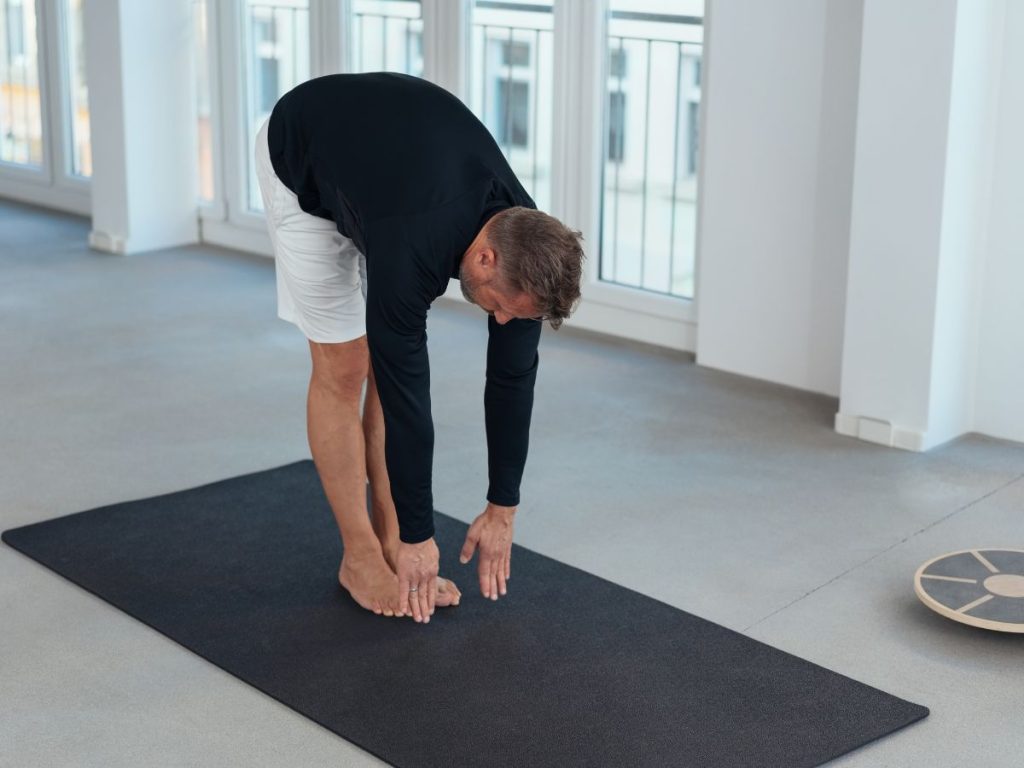
Mobility and flexibility aren’t the same, though they’re often confused. Flexibility focuses on your muscle length, allowing them to stretch, while mobility emphasizes your joints’ ability to move freely through their full range. Both play vital roles in fitness, enhancing performance and reducing injury risk. Dynamic stretching boosts both, preparing your body for activity, while static stretching aids recovery. Understanding the differences can help you optimize your workouts and overall well-being. Explore how to improve both for better results!
Key Takeaways
- Flexibility refers to the muscle’s ability to stretch, while mobility focuses on the joint’s range of motion.
- Dynamic stretching enhances both flexibility and mobility, preparing muscles and joints for activity.
- Static stretching, performed post-workout, aids in muscle lengthening and supports joint health.
- Good mobility improves performance and reduces injury risks, whereas flexibility alone may not ensure stability during movements.
- Incorporating practices like yoga and foam rolling can effectively improve both flexibility and mobility.
What Is Flexibility, and Why Is It Essential for Your Fitness?
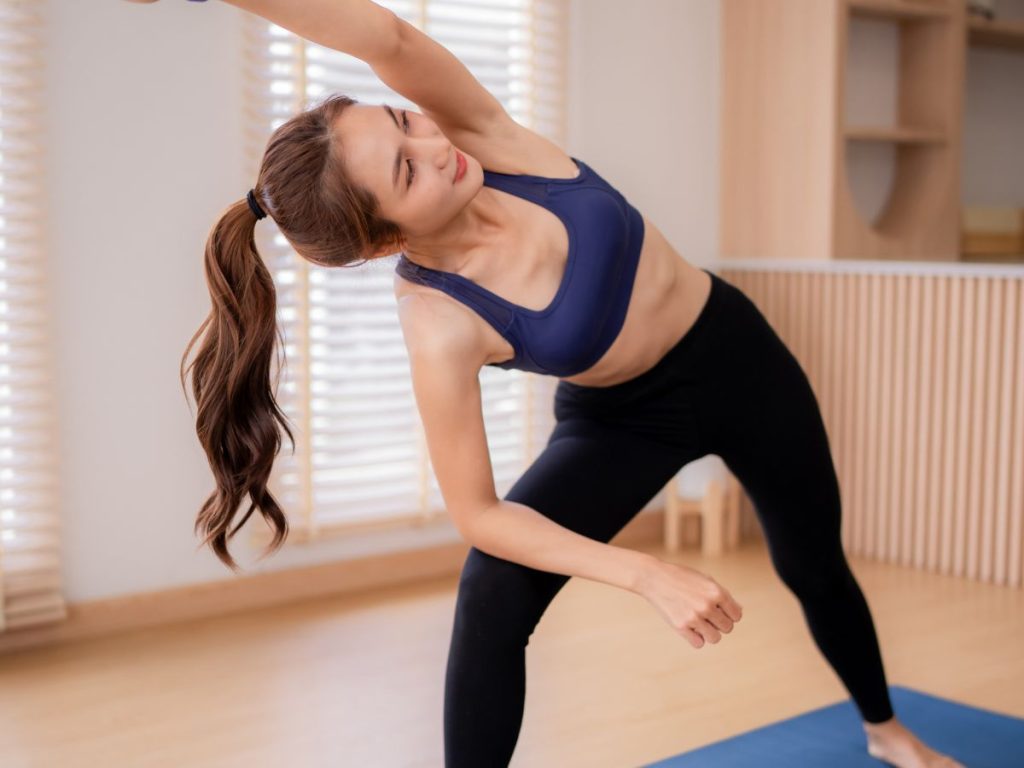
Flexibility refers to the ability of your muscles and joints to move through their full range of motion, and it’s essential for your overall fitness. Improved flexibility helps prevent injuries, enhances performance, and allows you to perform daily activities with ease.
To boost your flexibility, incorporate both dynamic stretching and static stretching into your routine.
Dynamic stretching involves controlled movements that increase blood flow and prepare your muscles for activity. Think of leg swings or arm circles—these get your body ready for exercise.
On the other hand, static stretching involves holding a stretch for a period, which helps lengthen your muscles and improve your range of motion.
What Is Mobility and Why Does It Matter for Your Joints?
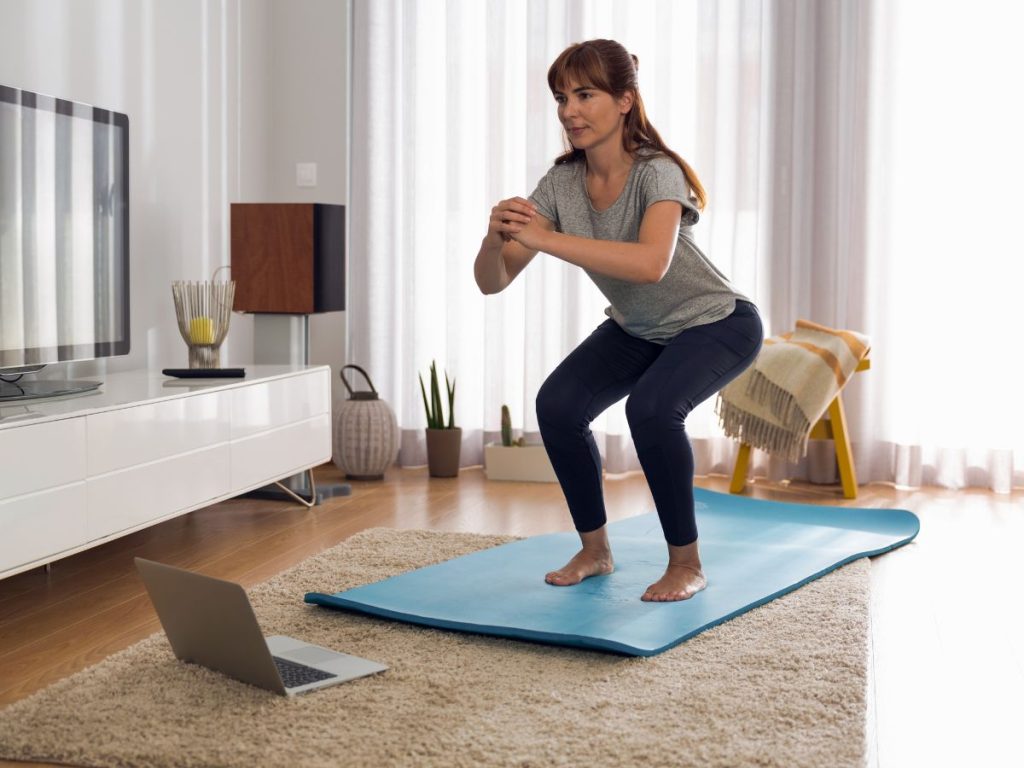
Mobility encompasses your joints’ ability to move freely through their full range of motion, and it plays a crucial role in overall joint health. When your joints are mobile, you can perform daily activities more easily and efficiently.
This movement efficiency not only enhances your performance in sports and exercise but also reduces the risk of injuries.
Think about how often you bend, twist, or lift. If your joints aren’t mobile, you might struggle with these actions, leading to discomfort or even chronic pain.
Good mobility guarantees that your joints stay healthy by promoting proper blood flow and nutrient delivery.
Good mobility ensures healthy joints by enhancing blood flow and delivering essential nutrients for optimal function.
Additionally, improving your mobility can help with posture and balance, making everyday life more enjoyable.
So, prioritizing mobility training isn’t just about flexibility; it’s about keeping your joints in top shape for whatever life throws your way.
Embrace mobility for better joint health and enhanced quality of life!
How Flexibility and Mobility Complement Each Other
While mobility focuses on the range of motion in your joints, flexibility is about the length of your muscles. These two elements complement each other, enhancing your overall physical performance and well-being.
Here’s how they work together:
- Dynamic Stretching: Incorporating dynamic stretching into your routine improves mobility by preparing your joints for movement, while also promoting muscle flexibility.
- Static Stretching: Engaging in static stretching post-workout helps lengthen your muscles, improving overall flexibility, which in turn supports joint health.
- Range Training: By focusing on range training, you enhance both mobility and flexibility, contributing to better athletic performance and effective injury prevention.
When you understand how flexibility and mobility support one another, you can create a balanced exercise regimen that keeps your body healthy, agile, and strong.
Debunking Myths About Flexibility vs. Mobility
Many people confuse flexibility and mobility, assuming they’re interchangeable concepts. In reality, flexibility involves muscle elasticity and the ability to stretch, while mobility focuses on joint health and the range of motion during movement patterns.
Flexibility and mobility are distinct; flexibility pertains to muscle elasticity, while mobility emphasizes joint health and movement range.
A common misconception is that simply using stretching techniques will improve both. While stretching can enhance flexibility, it doesn’t necessarily translate to better mobility.
Injury prevention is another area where these two differ. Good mobility allows you to move freely and safely, reducing the risk of injury during athletic performance. On the other hand, flexibility alone mightn’t provide the stability needed for dynamic movements.
Understanding these distinctions helps in choosing effective training methods. Incorporating both flexibility and mobility exercises into your routine optimizes your performance and enhances overall movement efficiency.
Tips for Enhancing Your Flexibility and Mobility
To enhance your flexibility and mobility, it’s essential to adopt a balanced approach that incorporates both static and dynamic exercises.
Here are three effective tips to get you started:
- Incorporate Dynamic Stretching: Begin your warm-up routines with dynamic stretches. These movements prepare your muscles and joints for activity, improving your range of motion.
- Practice Static Stretching: After your workouts, engage in static stretching to lengthen your muscles. This is vital for recovery and helps maintain flexibility over time.
- Utilize Foam Rolling and Yoga: Foam rolling helps release tightness, while yoga practices enhance both flexibility and mobility. Aim to include these in your daily habits.
Frequently Asked Questions
Can I Improve Flexibility Without Stretching Regularly?
Yes, you can improve flexibility without stretching regularly. Incorporate dynamic warm-ups and foam rolling into your routine. These methods help release muscle tension and enhance your range of motion effectively, promoting flexibility over time.
Is Mobility Training Suitable for All Age Groups?
Absolutely, mobility training’s suitable for all age groups. It enhances joint function and movement patterns, offering mobility benefits that help maintain independence and reduce injury risk. Age considerations matter, but everyone can enjoy its advantages.
How Does Nutrition Impact Flexibility and Mobility?
Nutrition impacts flexibility and mobility greatly. Eating diverse nutrition sources, like fruits and vegetables, fuels your muscles. Staying hydrated improves joint function, helping you move freely and maintain a healthy range of motion.
Are There Specific Sports That Prioritize Mobility Over Flexibility?
Yes, dynamic sports like basketball and gymnastics prioritize mobility over flexibility. In these activities, incorporating mobility drills helps improve movement efficiency, allowing you to perform better while reducing the risk of injury during intense play.
Can Poor Posture Affect My Flexibility and Mobility?
Yes, poor posture can limit your flexibility and mobility. By focusing on posture correction and undergoing a mobility assessment, you can identify limitations and improve your overall movement quality. Embrace these changes for better physical performance.
Final Thoughts
At Agnew Family Wellness, we know that understanding the difference between mobility and flexibility is an important step toward improving how your body moves, feels, and performs. While flexibility helps your muscles lengthen, mobility supports better joint movement and control, and both are essential for reducing strain, improving function, and supporting long-term wellness.
If you are ready to improve the way your body moves and feels, our team is here to help with personalized chiropractic care, advanced recovery and performance support like ARX adaptive resistance training, AllCore 360 core training, and restorative therapeutic massage. Contact Agnew Family Wellness today to schedule your visit and let us help you build better movement, better stability, and better overall health.