

Yes, sitting really is like smoking for your spine. Prolonged sitting strains your spine, leading to discomfort and potential injuries. It limits movement, weakens your core muscles, and can cause chronic pain. Poor posture while sitting heightens the risk of misalignments and fatigue. Regular breaks and movement are essential to combat these effects. Keeping your spine healthy isn’t just about sitting less; there’s a lot more you can do to protect it.
Key Takeaways
- Prolonged sitting strains the spine, increasing the risk of discomfort, injury, and chronic pain similar to health risks associated with smoking.
- A sedentary lifestyle can weaken core muscles, leading to poor posture and misalignments, akin to the negative effects of smoking on the body.
- Extended periods of inactivity contribute to weight gain and cardiovascular issues, paralleling the detrimental health impacts of smoking.
- Regular movement and exercise counteract the adverse effects of prolonged sitting, promoting spinal health and overall well-being.
- Ergonomic workspaces and movement breaks can significantly reduce the risks associated with sitting, enhancing spinal support similar to healthy lifestyle choices.
What the Research Says About Prolonged Sitting and Spinal Health
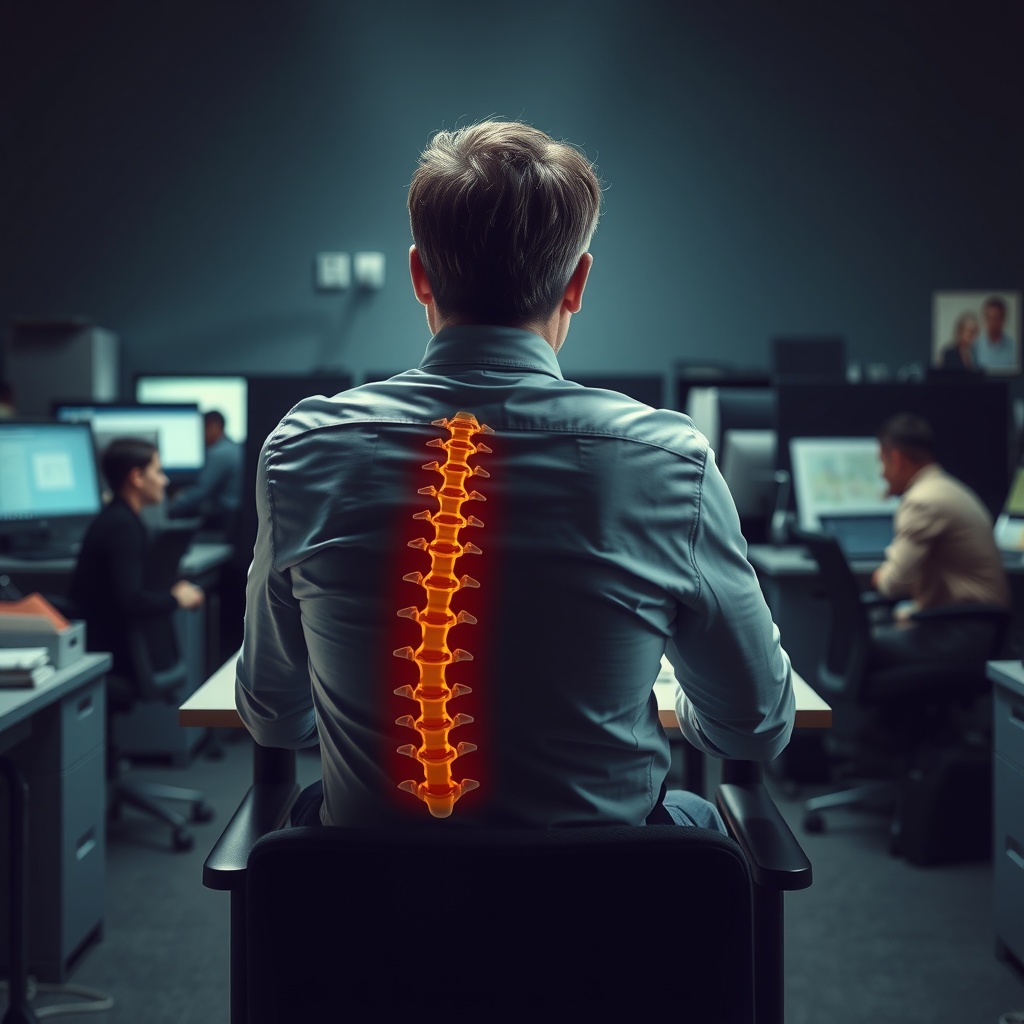
When you spend long hours sitting, you mightn’t realize the impact it has on your spinal health. Research shows that prolonged sitting can lead to significant strain on your spine, increasing the risk of discomfort and injury.
Your spine relies on movement to maintain its flexibility and strength, and staying sedentary limits that important motion.
Your spine thrives on movement; prolonged sitting restricts its flexibility and strength.
Studies indicate that sitting for extended periods can exacerbate issues like herniated discs and muscle imbalances. It weakens core muscles, which are essential for supporting your spine. Additionally, poor posture while sitting can lead to misalignments, causing further strain.
To combat these effects, it’s important to incorporate regular movement into your day. Simple stretches or standing breaks can make a difference.
The Impact of Prolonged Sitting on Spine and Posture Health

Prolonged sitting can quietly undermine your spine and posture health, often without you even realizing it. When you sit for extended periods, the natural curvature of your spine can flatten, leading to discomfort and misalignment.
Your muscles, particularly those in your back and abdomen, weaken over time, making it harder to maintain good posture. You might notice that slouching becomes more comfortable, which can strain the ligaments and discs in your spine. This strain can contribute to chronic pain and even herniated discs down the line.
Additionally, poor posture affects your overall well-being, making you feel fatigued and less focused.
Incorporating short breaks to stand, stretch, or walk can counteract these effects. By being mindful of your sitting habits and making small adjustments, you can protect your spine and improve your posture, leading to a healthier, more active lifestyle.
Are You at Risk? Assessing Your Sedentary Lifestyle?
Are you aware of how much time you spend sitting each day?
This sedentary lifestyle can lead to serious health risks, affecting not just your spine but your overall well-being.
Let’s explore your daily habits and see how incorporating more movement can make a difference.
Health Risks Overview
Although many people underestimate the impact of a sedentary lifestyle, the reality is that sitting for long periods can pose serious health risks to your spine and overall well-being.
Prolonged sitting leads to weakened muscles, reduced flexibility, and poor posture, increasing your risk of back pain and spinal issues. Additionally, being inactive can contribute to weight gain, cardiovascular problems, and even anxiety or depression.
You mightn’t realize it, but every hour spent sitting adds up and can have lasting effects. If you find yourself sitting for most of the day, it’s essential to assess your habits.
Recognizing these risks is the first step toward making healthier choices that support your spine and enhance your quality of life.
Daily Sitting Habits
As you navigate your daily routine, it’s essential to reflect on how much time you actually spend sitting. Many people underestimate their sedentary habits, which can lead to various health issues, especially for your spine.
Consider these common sitting habits:
- You might sit for long hours at your desk.
- You could binge-watch shows on the couch after work.
- You may drive or commute for extended periods.
- You possibly spend time scrolling on your phone.
Recognizing these patterns is the first step in evaluating whether you’re at risk.
By understanding your daily habits, you can make more informed choices about your lifestyle and prioritize your spine health.
Don’t let sitting silently impact your well-being.
Movement Recommendations Today
Many people underestimate the impact of prolonged sitting on their health, especially their spine. If you’re spending hours at a desk or on the couch, it’s time to assess your lifestyle.
Regular movement is essential. Aim for at least 30 minutes of moderate exercise most days. Break up long sitting sessions by standing or walking every hour, even if it’s just for a few minutes.
Simple stretches can relieve tension and improve posture. Incorporating activities like walking meetings or using a standing desk can make a big difference.
Remember, every bit of movement counts. By prioritizing physical activity, you can reduce your risk of spinal issues and boost your overall well-being.
Don’t wait—start moving today!
Practical Tips to Combat the Dangers of Sitting
Sitting for long periods can wreak havoc on your spine, but there are practical steps you can take to mitigate its effects.
By incorporating these simple habits into your routine, you can promote better spinal health and reduce discomfort.
- Stand Up Regularly: Set a timer to remind yourself to stand and stretch every 30 minutes.
- Use a Supportive Chair: Invest in a chair that offers lumbar support, keeping your spine aligned.
- Practice Good Posture: Keep your feet flat on the ground, shoulders relaxed, and screen at eye level.
- Incorporate Movement: Try light exercises or stretches during breaks to relieve tension and improve circulation.
How to Create an Active Workspace
To create an active workspace, start by choosing ergonomic furniture that supports your posture.
Next, establish a schedule for movement breaks to keep your body engaged throughout the day.
Finally, optimize your desk layout to encourage movement and accessibility.
Ergonomic Furniture Choices
While you might think a traditional desk and chair setup is the norm, choosing ergonomic furniture can greatly enhance your workspace and overall health.
Investing in the right pieces makes a significant difference in how you feel throughout the day. Here are some choices to contemplate:
- Adjustable Desk: Switch between sitting and standing to keep your body engaged.
- Ergonomic Chair: Support your lower back and promote good posture.
- Monitor Stand: Position your screen at eye level to reduce neck strain.
- Footrest: Elevate your feet for better circulation and comfort.
Movement Breaks Schedule
Creating an active workspace is essential for your spine, especially if you spend long hours at your desk. To keep your body moving, set a movement break schedule. Aim for five-minute breaks every hour.
During these breaks, stand up, stretch, or take a quick walk around your office. This simple act can alleviate tension and improve circulation. You can also incorporate short exercises, like leg lifts or shoulder rolls, to energize your day.
Consider using a timer or an app to remind you when it’s time to move. By prioritizing these breaks, you’ll not only enhance your productivity but also promote a healthier spine.
Desk Layout Optimization
When you rethink your desk layout, you’re setting the stage for a healthier work environment. An active workspace encourages movement and can greatly benefit your spine.
Here are some tips to optimize your desk layout:
- Adjust your chair height: Make sure your feet are flat on the floor, promoting good posture.
- Position your monitor: Keep it at eye level to reduce neck strain.
- Use a standing desk: Alternate between sitting and standing to break up long periods of inactivity.
- Organize your workspace: Keep frequently used items within reach to minimize unnecessary stretching or twisting.
How Exercise Keeps Your Spine Healthy
Exercise strengthens your spine and enhances overall mobility. When you engage in regular physical activity, you promote flexibility and stability in your back. This isn’t just about lifting weights; activities like yoga, swimming, or even walking can greatly improve your spinal health. These exercises help maintain proper posture and reduce the risk of injury.
Moreover, strengthening your core muscles supports your spine, redistributing weight and pressure effectively. When your core is strong, it takes some of the burden off your back, allowing it to function better.
Strengthening your core supports your spine by redistributing weight, easing the burden on your back for better function.
Stretching also plays an essential role; it keeps your muscles flexible and ready for movement, which can prevent stiffness.
Incorporating a variety of exercises into your routine not only boosts your spine’s resilience but also enhances your overall well-being. So, get moving! Your spine will thank you for it.
Consequences of Prolonged Sitting
Even with a strong core and a commitment to staying active, prolonged sitting can undermine your spinal health. You mightn’t realize it, but those long hours at your desk can lead to serious consequences. Here’s what to watch out for:
- Poor Posture: Sitting for extended periods often encourages slouching, which places stress on your spine.
- Muscle Weakness: Your core and back muscles can weaken over time, making it harder to maintain proper alignment.
- Reduced Flexibility: Staying seated restricts your movement, leading to stiffness and a decreased range of motion.
- Increased Pain: Chronic sitting can result in discomfort or pain, particularly in your lower back.
Taking breaks to stretch and move around is essential. By being mindful of your sitting habits, you can protect your spine and enhance your overall well-being.
Your spine deserves better than to be stuck in a chair all day!
Frequently Asked Questions
Can Standing Desks Really Improve My Spinal Health?
Yes, standing desks can improve your spinal health. They encourage better posture and reduce the risk of back pain. By alternating between sitting and standing, you’ll promote movement and decrease strain on your spine.
How Often Should I Take Breaks From Sitting?
You should take a break from sitting every 30 to 60 minutes. Stand up, stretch, or walk around for a few minutes. This simple habit can greatly benefit your spinal health and overall well-being.
What Exercises Specifically Target Spinal Health?
To boost your spinal health, try exercises like cat-cow stretches, bridges, planks, and spinal twists. Incorporating yoga can also enhance flexibility and strength, reducing tension and promoting overall well-being in your spine.
Are There Specific Chairs That Support Spine Health?
Yes, certain chairs support spine health. Look for ergonomic designs with lumbar support, adjustable heights, and a comfortable seat. These features encourage proper posture and reduce strain, helping you maintain a healthy spine throughout the day.
Does My Sleeping Position Affect My Spine?
Yes, your sleeping position does affect your spine. If you sleep on your back or side with proper support, it helps maintain spinal alignment. Avoid sleeping on your stomach, as it can strain your neck and spine.
Final Thoughts
Prolonged sitting can quietly take a toll on your spine over time—contributing to stiffness, weakened support muscles, and the kind of postural strain that often shows up as recurring back or neck tension. The good news is that small, consistent changes—more movement breaks, better ergonomics, and a focused plan to strengthen and recover—can make a meaningful difference in how you feel day to day.
At Agnew Family Wellness, we help patients counter the effects of a sedentary routine with care that supports both relief and long-term resilience. If sitting has been contributing to discomfort, our chiropractic care can help address spinal stress and mobility restrictions, while advanced options like spinal decompression may be a fit for those dealing with persistent pressure or recurring flare-ups. To build strength where it matters most, we also offer performance-focused training like AllCore 360 Core Training and ARX Adaptive Resistance Training to support spinal stability and overall function.
If you’re ready to protect your spine and feel better at work and beyond, schedule a visit through our Contact page. For more practical guidance on staying active and feeling your best, explore our Blog and read From Pain to Performance: How Chiropractic Care Supports an Active Lifestyle.