
Imagine a world where chronic pain is managed not just with medications or surgery, but with cutting-edge, personalized therapies that harness your body’s own healing potential. That world is becoming reality thanks to advanced regenerative technology San Francisco clinics are pioneering today. For small business owners, developers, and everyday residents, these breakthroughs offer hope for faster recovery, less downtime, and a return to active living, without the need for invasive procedures. In this article, we’ll take you inside the city’s most innovative regenerative tech clinics, explore how precision protocols are changing pain care, and show what these advances mean for people seeking lasting relief. Whether you’re curious about the science, the technology, or the patient experience, you’ll discover how the future of pain management is being redefined in this vibrant community.
The Rise of Precision Regenerative Clinics
Regenerative medicine has moved rapidly from experimental to mainstream, especially in urban hubs known for medical innovation. Precision regenerative clinics are at the forefront, blending sophisticated diagnostics with therapies tailored to each patient’s biology and condition. Unlike traditional pain management, which often relies on a one-size-fits-all approach, these clinics use data-driven protocols to target the root causes of pain and dysfunction.
In these specialized centers, you’ll find teams of experts, physicians, physical therapists, and technologists, working together to design care plans that may include platelet-rich plasma (PRP), stem cell injections, shockwave therapy, and other advanced modalities. The emphasis is on stimulating the body’s own repair mechanisms, reducing inflammation, and restoring function at a cellular level. This approach is especially appealing to business owners and active professionals who need effective, non-disruptive solutions to stay productive.
One of the leading examples of this collaborative, patient-focused care is Agnew Family, which has helped set the standard for integrating technology and personalized medicine in pain management. Their model demonstrates how combining expertise, technology, and empathy can transform outcomes for those struggling with chronic pain.
How Advanced Regenerative Technology San Francisco Is Setting New Standards
San Francisco’s reputation as a tech-forward city extends beyond Silicon Valley startups, it’s also a leader in medical innovation. The area’s regenerative clinics are equipped with state-of-the-art devices that allow for highly targeted, minimally invasive therapies. From digital imaging that maps tissue damage in real time to robotic-assisted injections that deliver healing agents with pinpoint accuracy, these technologies are raising the bar for pain care.
Precision is the name of the game. Advanced ultrasound and MRI help clinicians visualize exactly where injuries or degeneration are occurring, so treatments like PRP or stem cell injections can be delivered precisely where they’re needed. This not only improves outcomes but also reduces the risk of complications and shortens recovery times. For patients, this means less guesswork and more confidence in their care plan.
To get a sense of how these technologies are changing the patient journey, consider the local clinics offering Non-Surgical Back Pain Relief in San Francisco: When to Consider Injections and Therapy. These centers are not just treating symptoms, they’re using advanced tools to identify the underlying causes and deliver the right therapy at the right time.
Personalized Protocols: The Shift Toward Individualized Pain Care
One of the most exciting shifts in regenerative medicine is the move toward truly personalized care. Instead of following generic treatment pathways, clinics now use a combination of genetic testing, biomarker analysis, and digital health tracking to craft protocols tailored to each person’s unique biology and lifestyle. This is a game-changer for patients who have struggled with chronic pain that didn’t respond to standard treatments.
Personalized protocols often begin with a comprehensive assessment. This might include a detailed health history, advanced imaging, and sometimes even blood or tissue analysis to understand how a patient’s body is responding to injury or inflammation. The care team then develops a targeted plan, which could involve a mix of regenerative injections, physical therapy, and lifestyle modifications.
For those seeking the Best Chiropractor in San Francisco: What to Look for Before Booking, this individualized approach means you’re more likely to get a plan that fits your specific needs, rather than a generic protocol. The result is often faster recovery, better function, and a lower risk of recurrence.
Inside a Regenerative Tech Clinic: What to Expect
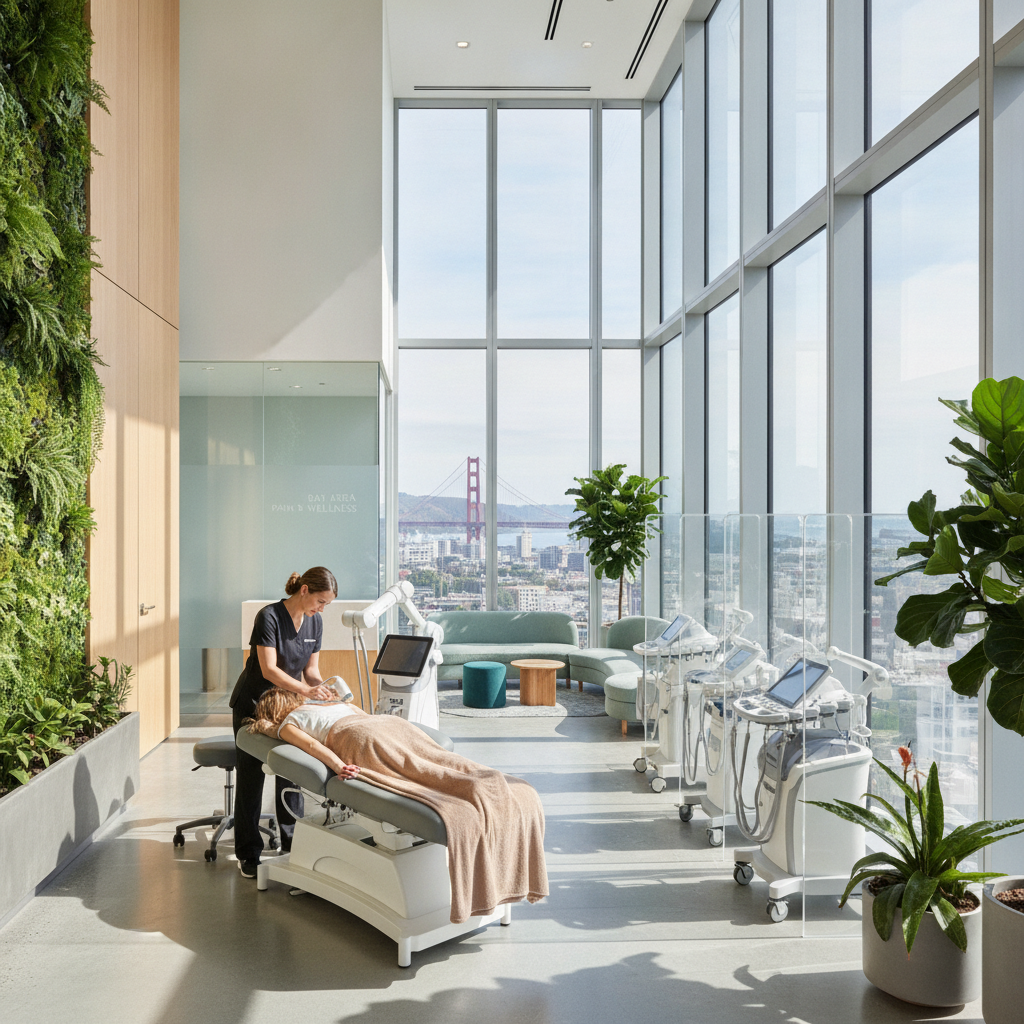
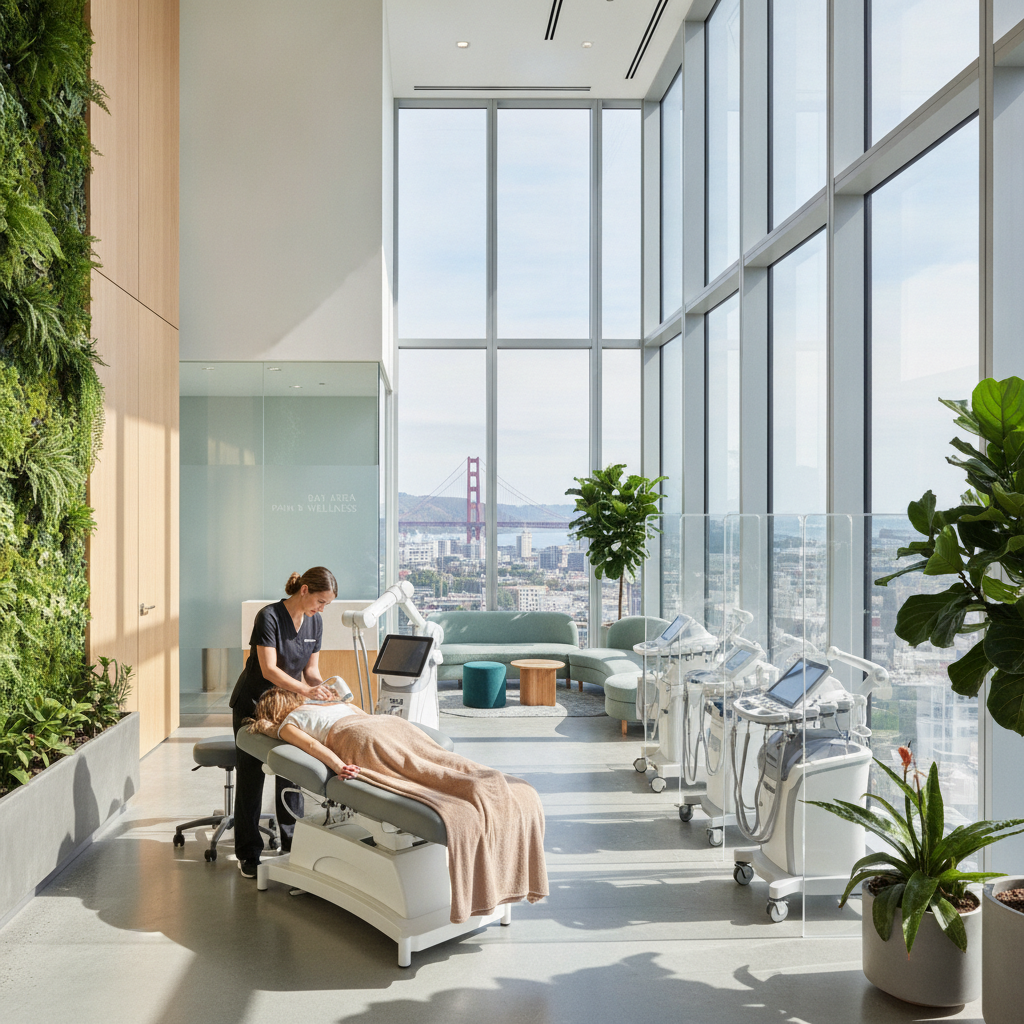
Stepping into a regenerative tech clinic is a different experience from a traditional doctor’s office. The atmosphere is often modern and welcoming, with an emphasis on comfort and technology. Patients are greeted by staff trained not just in hospitality, but in the latest medical protocols. After check-in, you might undergo digital assessments, such as motion analysis or 3D imaging, to help clinicians understand the mechanics of your pain.
Consultations are collaborative, with providers explaining the science behind each recommended therapy. You’ll have the opportunity to ask questions and participate in decisions about your care. Treatments are typically performed in-office and may include therapies like focused shockwave, PRP, or laser treatments, all delivered with precision tools. Follow-up is equally high-tech, often involving remote monitoring or digital check-ins to track progress and adjust protocols as needed.
This patient-centered model is designed to maximize comfort, minimize downtime, and empower you to take an active role in your recovery. For small business owners and busy professionals, the streamlined process means less time away from work and family, making advanced regenerative care more accessible than ever.
Comparing Regenerative Therapies: A Practical Guide
With so many regenerative therapies available, it can be challenging to know which option is right for you. Clinics in the region offer a variety of treatments, each with its own strengths and ideal use cases. Here’s a practical comparison to help you understand some of the most common protocols:
| Therapy | How It Works | Best For |
|---|---|---|
| Platelet-Rich Plasma (PRP) | Uses concentrated platelets from your own blood to promote healing in injured tissues. | Tendon injuries, mild arthritis, muscle strains |
| Stem Cell Therapy | Uses stem cells (often from bone marrow or fat) to regenerate damaged tissue. | Joint degeneration, cartilage repair, chronic pain |
| Shockwave Therapy | Delivers acoustic waves to stimulate blood flow and cellular repair. | Plantar fasciitis, tendonitis, soft tissue injuries |
| Laser Therapy | Uses focused light to reduce inflammation and promote tissue repair. | Acute injuries, post-surgical recovery, inflammation |
Each therapy has its own advantages, and the best choice often depends on your specific diagnosis, goals, and preferences. Clinics use a combination of clinical expertise and advanced diagnostics to recommend the most effective protocol for your situation.
The Science Behind Regenerative Healing
Regenerative medicine is grounded in the body’s natural ability to heal itself. The therapies used in these clinics are designed to amplify and accelerate those processes. For example, PRP delivers a concentrated dose of growth factors directly to the site of injury, jumpstarting tissue repair. Stem cell therapies introduce cells capable of transforming into various tissue types, helping to rebuild cartilage, muscle, or tendon.
What sets advanced regenerative technology apart is the precision with which these treatments are delivered. By using real-time imaging and data analytics, clinicians can ensure that healing agents reach the exact location needed, maximizing their effectiveness while minimizing side effects. This scientific rigor is what makes regenerative clinics so effective for complex pain conditions that haven’t responded to conventional care.
Ongoing research continues to refine these protocols, with new discoveries in cellular biology and bioengineering expanding the range of treatable conditions. The future holds even more promise as technology and science converge to unlock new possibilities for pain relief and recovery.
Who Benefits Most from Regenerative Protocols?
Regenerative medicine isn’t just for elite athletes or those with severe injuries, it’s increasingly accessible to anyone seeking alternatives to surgery or long-term medication. The best candidates are often people with musculoskeletal pain, joint degeneration, tendon injuries, or chronic inflammation that hasn’t improved with standard therapies.
Small business owners and developers, who can’t afford extended downtime, are finding these protocols especially valuable. The focus on minimally invasive, outpatient procedures means less disruption to work and daily life. Additionally, people with complex or recurring pain conditions, such as persistent back pain or arthritis, may benefit from the layered approach of combining regenerative therapies with physical rehabilitation and lifestyle coaching.
Ultimately, the decision to pursue regenerative care should be made in consultation with a qualified provider who can assess your goals, medical history, and expectations. The individualized nature of these protocols means there’s no one-size-fits-all answer, but the potential for meaningful, lasting relief is greater than ever before.
What Makes a Clinic Truly Innovative?
Not all regenerative clinics are created equal. The most innovative centers stand out for their commitment to evidence-based care, ongoing education, and patient empowerment. They invest in the latest diagnostic and therapeutic technologies, but also prioritize transparent communication and collaborative decision-making.
Innovation also means staying ahead of the curve, participating in clinical trials, adopting new protocols as evidence emerges, and training staff in the latest techniques. Many clinics in the region have built partnerships with research institutions and medical device companies, ensuring patients have access to the best available care.
For patients, choosing an innovative clinic means you’re more likely to receive a treatment plan that’s both safe and effective, supported by the latest science and tailored to your unique needs. It’s a model that puts the patient at the center of the healing process, with technology and expertise working together to deliver real results.
Overcoming Barriers: Accessibility and Affordability
While advanced regenerative therapies offer exciting possibilities, accessibility and affordability remain important considerations. Many clinics are working to broaden access by offering flexible payment plans, collaborating with insurance providers, and educating patients about their options. Some therapies may not yet be covered by insurance, but clinics often provide transparent pricing and help patients weigh the cost-benefit of different protocols.
Community outreach and patient education are also key. By hosting seminars, webinars, and open houses, clinics help demystify regenerative medicine and empower more people to make informed decisions about their health. As these therapies become more mainstream, ongoing efforts to reduce costs and increase coverage are making regenerative care an option for a broader range of people in the area.
For small business owners and busy professionals, the ability to access high-quality, minimally invasive care close to home is a major advantage, supporting both personal health and business productivity.
The Patient Experience: Stories of Transformation
Behind every technological advance are real people whose lives are changed by regenerative medicine. Patients who once faced chronic pain and limited mobility are now returning to work, sports, and daily activities with renewed energy. Many report not just physical improvements, but also a greater sense of control over their health journey.
Clinics often highlight success stories, individuals who avoided surgery, reduced their reliance on pain medications, or achieved milestones they once thought impossible. These transformations are made possible by the combination of advanced technology, personalized care, and a supportive clinical environment.
For business owners and developers, these stories underscore the value of investing in health and well-being. When pain is managed effectively, productivity, creativity, and quality of life all improve. The ripple effects extend beyond the individual to families, workplaces, and the broader community.
Bringing It Together
The landscape of pain care is changing rapidly, thanks to the integration of advanced regenerative technology and precision protocols in local clinics. For small business owners, developers, and general readers, these innovations offer new hope for overcoming chronic pain and returning to an active, fulfilling life. By focusing on individualized care, leveraging cutting-edge diagnostics, and prioritizing patient empowerment, regenerative clinics are setting a new standard for what’s possible in pain management.
If you’re considering your options for pain relief, take the time to explore what regenerative medicine has to offer. Look for clinics that combine expertise with compassion, invest in the latest technology, and are committed to helping you achieve your goals. The future of pain care is here, and it’s more personalized, effective, and accessible than ever before.