
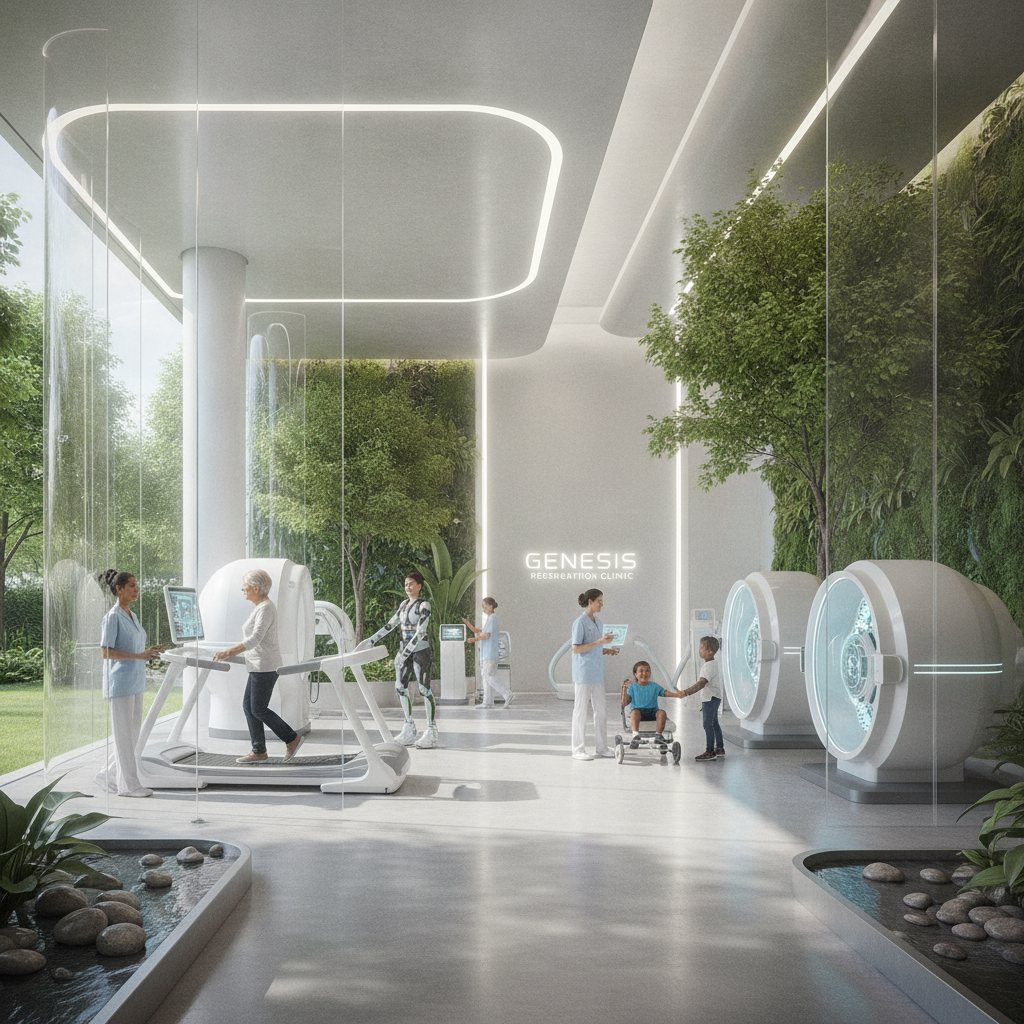
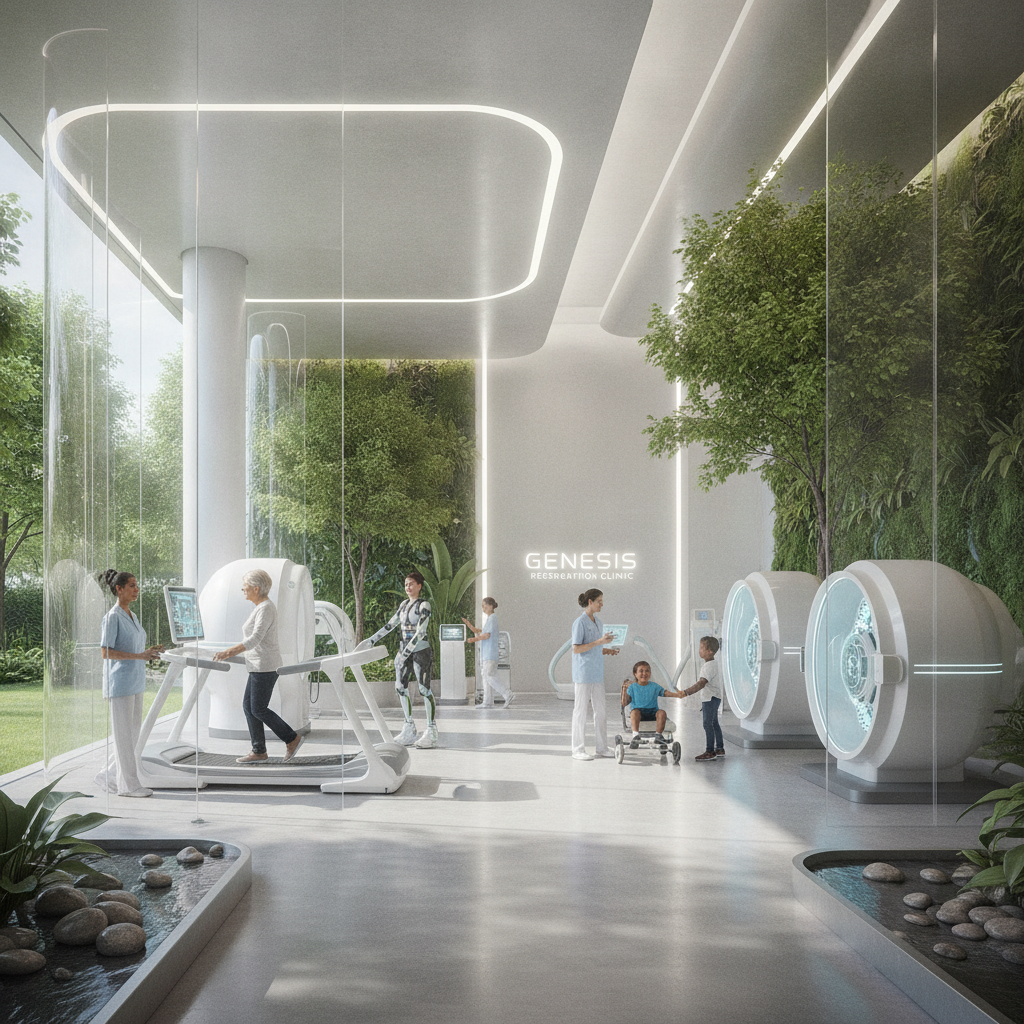
The landscape of recovery and rehabilitation is undergoing a remarkable transformation, thanks to the rise of advanced regenerative technology San Francisco residents and practitioners are embracing. Whether you’re a small business owner eager to keep your team healthy, a developer interested in the latest medical advances, or simply someone navigating the journey back from injury, the promise of faster, more complete healing is no longer just a distant hope. Regenerative medicine is moving beyond the theoretical, with real-world applications that are shortening recovery timelines and redefining what’s possible after injury or surgery. In this article, we’ll explore how these cutting-edge therapies are making waves throughout the Bay Area, what they mean for everyday people, and how local clinics are integrating them into holistic care plans. From biological breakthroughs to the practical realities of patient experience, discover how innovation is reshaping the path to recovery for this community.
What Sets Advanced Regenerative Technology Apart
Regenerative medicine isn’t just about patching up injuries or managing pain. It’s a fundamentally different approach that seeks to restore normal function by harnessing the body’s own healing powers. Unlike traditional treatments that may focus on symptom relief or structural repair, advanced regenerative technology uses biological agents, like stem cells, growth factors, and tissue engineering, to stimulate actual tissue regeneration. In the Bay Area, clinics are increasingly turning to these therapies to help patients recover from musculoskeletal injuries, joint degeneration, and even some chronic pain conditions. The result is a shift from long, uncertain recoveries to more predictable, often faster outcomes.
One of the key differentiators is the ability of these technologies to address the root cause of injury. Instead of simply reducing inflammation or masking pain, regenerative therapies work at the cellular level, prompting the body to repair and rebuild damaged tissues. This can mean less downtime, fewer complications, and a better chance of returning to full activity. For business owners and active professionals, this translates to less time away from work and a quicker return to productivity.
The science is evolving rapidly, with new protocols and delivery methods emerging each year. Platelet-rich plasma (PRP), stem cell injections, and bioengineered scaffolds are just a few examples of how regenerative medicine is pushing the boundaries of what’s possible. As these treatments become more accessible, the Bay Area is poised to remain at the forefront of this medical revolution. For those curious about how these therapies fit into a broader wellness plan, Agnew Family is one of several local resources offering education and guidance on integrating regenerative options into patient care.
The Science Behind Faster Recovery Timelines
At the heart of regenerative technology lies a deep understanding of the body’s natural repair mechanisms. When tissue is damaged, whether from injury, surgery, or chronic wear and tear, the body initiates a complex cascade of cellular events to heal itself. Traditional therapies often support this process indirectly, but regenerative medicine aims to accelerate and enhance it. By delivering concentrated doses of growth factors, cytokines, or even living cells to the site of injury, these treatments can jumpstart healing and reduce the time needed for recovery.
For example, platelet-rich plasma therapy involves drawing a small sample of a patient’s blood, concentrating the platelets, and injecting them back into the affected area. Platelets contain powerful growth factors that signal the body to begin repairing tissue. Similarly, stem cell therapies introduce undifferentiated cells capable of transforming into the specific cell types needed for repair. These approaches can be particularly valuable for injuries that are slow to heal or for patients who want to avoid surgery.
The result is often a shorter, more predictable recovery period. In some cases, patients who might have faced months of rehabilitation are able to return to normal activities in a fraction of the time. This is a game-changer for small business owners who depend on a healthy workforce, as well as for anyone eager to reclaim their active lifestyle. To learn more about when advanced imaging or specialist evaluation is appropriate, check out How San Francisco Residents Can Tell If Back Pain Needs Imaging or a Specialist Visit.
Personalized Recovery: Tailoring Technology to the Individual
No two injuries are exactly alike, and neither are the people experiencing them. One of the hallmarks of advanced regenerative technology is its ability to be tailored to each patient’s unique needs. This personalization starts with a thorough assessment, often involving advanced diagnostics and imaging to pinpoint the exact nature and extent of the injury. With this information, clinicians can develop a customized treatment plan that may include one or more regenerative therapies, physical rehabilitation, and lifestyle modifications.
For example, a developer who spends long hours at a desk may benefit from a combination of regenerative injections for a repetitive strain injury, ergonomic adjustments, and targeted exercises. An athlete recovering from a ligament tear might receive stem cell therapy followed by a progressive return-to-play protocol. By focusing on the individual rather than a one-size-fits-all approach, these strategies can optimize healing and reduce the risk of re-injury.
Personalized care also means ongoing monitoring and adjustment. As patients progress, their treatment plans can be modified to ensure continued improvement. This level of attention is especially important for complex or stubborn conditions, such as sciatica that hasn’t responded to home remedies. For more information on advanced options for persistent pain, see San Francisco Sciatica Treatment After a Failed Home Remedy Routine.
Integrating Regenerative Therapies with Traditional Care
While regenerative medicine offers exciting new possibilities, it’s most effective when integrated with established treatment modalities. Many clinics in the region are adopting a multidisciplinary approach, combining advanced regenerative technology with physical therapy, manual medicine, and lifestyle coaching. This holistic model recognizes that healing is a multifaceted process, influenced by everything from biomechanics and nutrition to mental well-being.
For instance, after receiving a regenerative injection for a joint injury, patients may work with a physical therapist to restore strength and flexibility. Manual therapies like massage or myofascial release can help manage pain and improve circulation, further supporting the body’s healing efforts. Nutritionists may recommend dietary changes to reduce inflammation and promote tissue repair. By addressing all aspects of recovery, this integrated approach maximizes the benefits of regenerative technology and helps patients achieve lasting results.
This collaborative care model is particularly appealing to small business owners who want to ensure their employees receive comprehensive support, minimizing downtime and promoting overall wellness. It also empowers patients to take an active role in their recovery, fostering greater engagement and satisfaction with the healing process.
The Role of Technology in Monitoring Progress
One of the most exciting developments in regenerative medicine is the use of technology to track and enhance recovery. Wearable devices, mobile health apps, and digital platforms are giving patients and providers unprecedented insights into the healing process. These tools can monitor everything from range of motion and activity levels to sleep quality and pain scores, providing real-time feedback that informs treatment decisions.
For example, a patient recovering from a tendon injury might use a wearable sensor to track their progress during rehabilitation exercises. The data collected can be shared with their care team, allowing for timely adjustments to the treatment plan. Mobile apps can also remind patients to perform prescribed exercises, track medication adherence, and even facilitate virtual check-ins with their provider. This level of connectivity not only improves outcomes but also helps patients stay motivated and engaged throughout their recovery journey.
For developers and tech-savvy readers, the intersection of digital health and regenerative medicine represents a fertile ground for innovation. As these technologies continue to evolve, they promise to make recovery more efficient, personalized, and accessible than ever before.
Comparing Traditional and Regenerative Recovery Timelines
One of the most compelling reasons patients are turning to regenerative therapies is the potential for faster recovery. Let’s take a closer look at how these timelines compare with traditional approaches for common musculoskeletal injuries.
| Condition | Traditional Recovery | Regenerative Recovery |
|---|---|---|
| Mild Rotator Cuff Tear | 6-12 weeks (physical therapy) | 4-8 weeks (PRP or stem cells + therapy) |
| Tendonitis | 8-16 weeks (rest, meds, therapy) | 4-10 weeks (regenerative injection + rehab) |
| Mild Osteoarthritis Flare | Several months (meds, therapy) | 1-2 months (PRP or cell therapy) |
| Partial Ligament Tear | 3-6 months (bracing, therapy) | 2-4 months (regenerative + rehab) |
While every case is unique, many patients experience a noticeable reduction in downtime with regenerative treatments. This can have a significant impact, especially for those whose livelihoods depend on a swift return to work or activity. It’s important to note, however, that results vary based on the severity of the injury, patient health, and adherence to the recovery plan.
Patient Experiences: Stories of Rapid Recovery
The most powerful evidence for the effectiveness of advanced regenerative technology comes from the patients themselves. Across the region, individuals from all walks of life are sharing stories of unexpectedly swift recoveries and improved quality of life. From business owners who returned to the office weeks ahead of schedule, to athletes who made it back to competition after injuries that once seemed career-ending, the testimonials are both inspiring and instructive.
One common theme is the sense of empowerment that comes from being actively involved in the healing process. Many patients appreciate the collaborative nature of regenerative care, where they work closely with their providers to set goals, track progress, and adjust treatment as needed. This partnership fosters a sense of ownership and motivation, which can further enhance outcomes.
While not every patient will experience a dramatic turnaround, the growing body of positive experiences is encouraging more people to explore regenerative options. For those considering these therapies, hearing from others who have walked the same path can provide valuable insight and reassurance.
Barriers and Considerations: What Patients Should Know
Despite the promise of regenerative medicine, it’s important for patients to approach these therapies with realistic expectations. Not every condition is a candidate for regenerative treatment, and results can vary. Factors such as age, overall health, and the nature of the injury all play a role in determining eligibility and likely outcomes. Additionally, while many regenerative procedures are minimally invasive, they are not entirely risk-free. Patients should discuss potential side effects, costs, and alternative options with their provider before proceeding.
Another consideration is insurance coverage. Many regenerative treatments are still considered experimental by insurers, which means patients may need to pay out of pocket. This can be a significant barrier, especially for small business owners or those without robust health benefits. However, as the evidence base grows and more success stories emerge, coverage is likely to expand in the coming years.
Finally, patients should seek out reputable providers with experience in regenerative medicine. The field is rapidly evolving, and working with a knowledgeable, well-trained team is essential for safety and success. Local clinics are often happy to provide information sessions or consultations to help patients make informed decisions about their care.
The Future of Regenerative Recovery in the Bay Area
As research and technology continue to advance, the future of regenerative medicine in the Bay Area looks bright. Scientists are exploring new sources of healing cells, more effective delivery methods, and ways to combine regenerative therapies with gene editing and artificial intelligence. These innovations could further shorten recovery times, expand the range of treatable conditions, and make regenerative care more accessible to all.
Local clinics are already collaborating with research institutions and biotech firms to bring the latest breakthroughs to patients. This spirit of innovation is part of what makes the region a leader in healthcare, attracting top talent and investment from around the world. For patients, this means access to cutting-edge treatments and a growing ecosystem of support for their recovery journey.
Looking ahead, we can expect regenerative medicine to become an increasingly mainstream option for injury recovery, chronic pain management, and even prevention. As more people experience the benefits firsthand, demand will continue to rise, driving further improvements in technology and care delivery.
Empowering Small Businesses and Active Lifestyles
For small business owners and entrepreneurs, the impact of advanced regenerative technology extends beyond individual health. A healthier workforce means fewer absences, lower healthcare costs, and a more resilient team. By supporting employees through injury recovery with the latest therapies, businesses can foster loyalty, boost morale, and maintain productivity even in the face of setbacks.
Active individuals, from weekend warriors to seasoned athletes, also stand to benefit. Faster recovery times mean less disruption to training schedules and a greater ability to pursue fitness goals. For families, the ability to bounce back quickly from everyday injuries can make a world of difference in maintaining a vibrant, active lifestyle.
Ultimately, regenerative medicine is about more than just healing injuries. It’s about restoring potential, enabling people to live life on their own terms, and building a healthier, more dynamic community for all.
Key Takeaways
Advanced regenerative technology is reshaping the recovery landscape for Bay Area patients, offering faster, more complete healing and a renewed sense of hope. By harnessing the body’s natural repair mechanisms, these therapies are reducing downtime, personalizing care, and integrating seamlessly with traditional treatments. While there are still barriers to widespread adoption, the momentum is unmistakable. Whether you’re a business owner, developer, or someone on the road to recovery, staying informed about these advances can help you make empowered choices for your health and well-being. The future of healing is here, and it’s changing lives throughout the region.