
Hip pain and pelvic imbalance are more common than many realize, affecting everyone from desk-bound professionals to active business owners. If you’ve ever experienced a nagging ache in your hip or noticed your posture just feels “off,” you’re not alone. Many people in the area turn to a chiropractor in San Francisco for help, seeking not just pain relief but also a path back to natural movement and comfort. Whether you’re a developer glued to your laptop or a small business owner constantly on the go, hip and pelvic issues can disrupt your productivity and quality of life. In this article, we’ll explore the unique ways chiropractors address these challenges, how they identify the root causes, and what you can expect from a personalized care plan. You’ll discover how modern chiropractic care goes beyond simple adjustments, offering holistic solutions for lasting relief and better mobility. Let’s dive into how expert guidance can help restore balance and keep you moving forward, pain-free.
Understanding Hip Pain and Pelvic Imbalance
Hip pain can stem from a variety of causes, including muscle strain, joint misalignment, or even the way you walk or sit throughout the day. Pelvic imbalance, meanwhile, refers to a tilt or rotation of the pelvis that throws off your body’s alignment. This imbalance can lead to discomfort, stiffness, and even pain radiating into the lower back or legs. Many people don’t realize that these issues are often interconnected, with one driving the other. For example, a minor pelvic tilt can cause muscles on one side of the hip to overwork, leading to soreness and fatigue. Over time, these imbalances can contribute to chronic pain or limit your range of motion. Addressing both hip pain and pelvic alignment is crucial for long-term relief and overall mobility. A comprehensive approach helps ensure that you’re not just masking symptoms but actually correcting the underlying problem. Clinics like Agnew Family Wellness focus on identifying these root causes to develop effective, lasting solutions.
How Chiropractors Assess Pelvic Alignment
Chiropractors use a combination of observation, hands-on examination, and sometimes imaging to evaluate pelvic alignment. They may assess your posture, gait, and how you move during daily activities. Subtle differences in leg length, hip height, or foot placement can reveal underlying imbalances. By palpating the pelvis and surrounding muscles, chiropractors can detect areas of tension or restricted movement. This initial assessment is key to developing a personalized plan, as it uncovers not just where the pain is, but why it’s happening. A San Francisco chiropractor will often look for patterns that suggest compensatory movements or chronic strain, which can be especially common in people who spend long hours sitting or standing. The goal is to create a clear picture of your musculoskeletal health, ensuring that any treatment addresses the root cause rather than just the symptoms.
Common Causes of Pelvic Imbalance
Pelvic imbalance can develop from a variety of everyday habits and life events. Prolonged sitting, especially with poor posture, is a major contributor for many professionals and remote workers. Carrying heavy bags on one side, favoring one leg while standing, or repetitive movements in sports can also shift the pelvis out of alignment. Even past injuries, such as ankle sprains or falls, may cause subtle compensations that accumulate over time. Pregnancy and childbirth are additional factors that can temporarily or permanently alter pelvic balance. Recognizing these causes is an important step in both prevention and recovery. If you’re unsure whether your discomfort stems from pelvic imbalance, you can see the details of a typical chiropractic evaluation. Understanding your unique risk factors helps you and your provider design a plan that fits your lifestyle and goals.
The Role of Chiropractic Adjustments
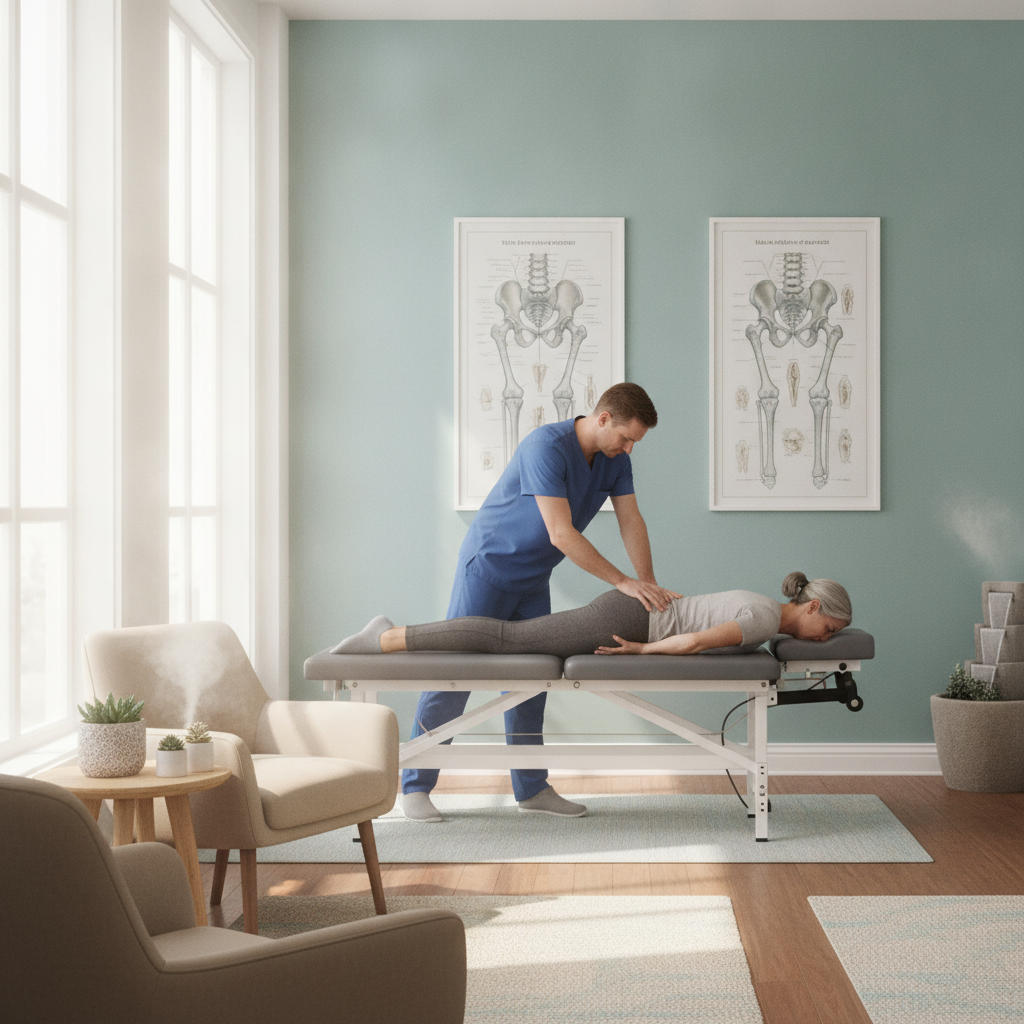
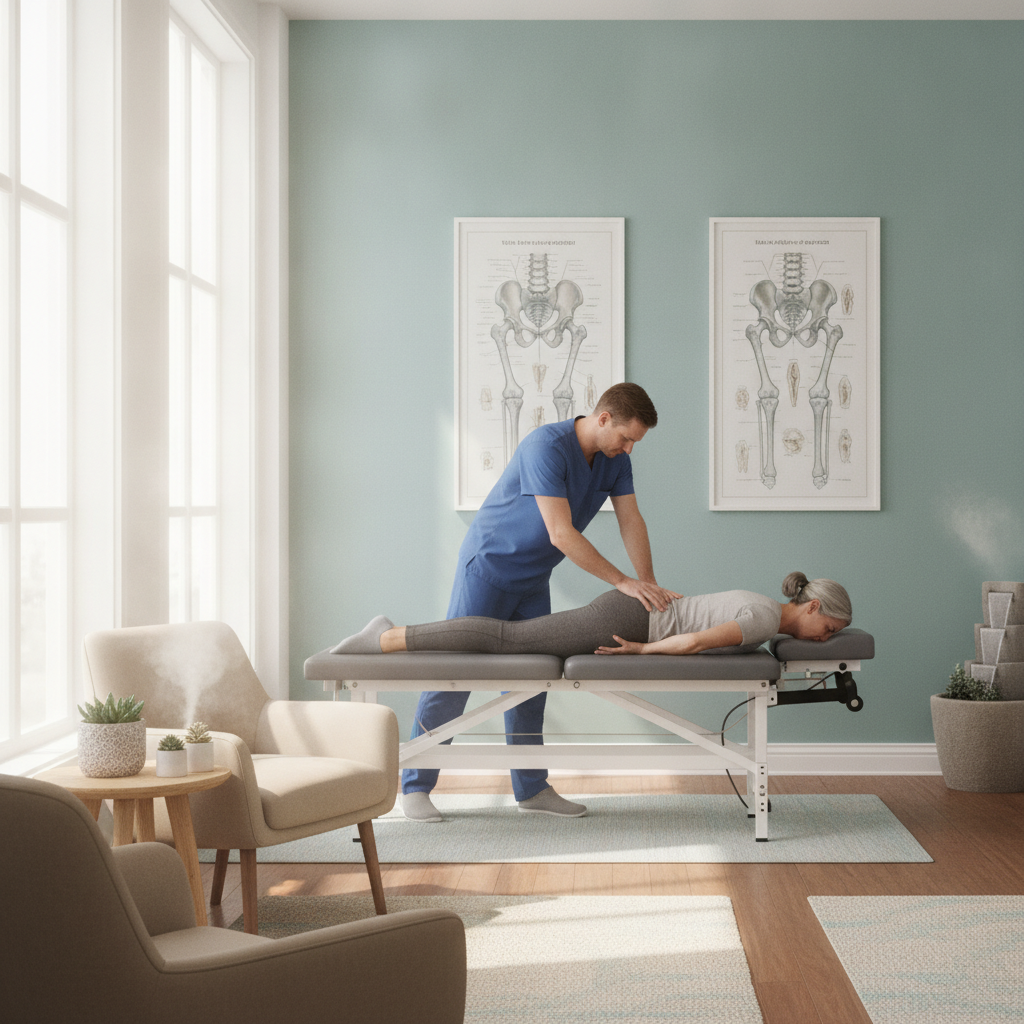
Chiropractic adjustments are a core component of restoring pelvic balance and relieving hip pain. These gentle, precise manipulations target misaligned joints in the pelvis, hips, and lower back. By realigning these structures, chiropractors help reduce tension on surrounding muscles and nerves, allowing the body to move more freely. Adjustments are typically tailored to your specific needs, taking into account factors like muscle tightness, joint mobility, and pain levels. For those working from home or spending long hours at a desk, regular adjustments can counteract the negative effects of prolonged sitting. To learn more about how chiropractic care can fit into your daily routine, check out Is Chiropractic Care Right for Your Work-from-Home Setup in San Francisco? for practical insights. Over time, consistent care can help retrain your body’s natural alignment and reduce the risk of future imbalances.
Lifestyle Factors That Influence Hip and Pelvic Health
Your daily habits have a significant impact on hip and pelvic health. The way you sit, stand, and move can either support or undermine your body’s natural alignment. For example, crossing your legs for extended periods or slouching at your workstation can gradually shift your pelvis and strain your hips. Active individuals, such as commuters, cyclists, and runners, face their own set of challenges, from repetitive stress to muscle imbalances. Incorporating regular movement breaks, stretching, and ergonomic adjustments can help maintain balance and prevent discomfort. To explore how chiropractic care can benefit those with active lifestyles, see Chiropractic Care in San Francisco for Commuters, Cyclists, and Runners. Adopting healthy routines, both at work and in your free time, is essential for supporting the results of chiropractic treatment and keeping hip pain at bay.
How Muscle Imbalances Contribute to Hip Pain
Muscle imbalances around the hips and pelvis are a frequent culprit behind chronic pain and discomfort. When certain muscles become tight and overactive, others may weaken or become inhibited, leading to uneven forces across the joints. For instance, tight hip flexors from prolonged sitting can pull the pelvis forward, while weak glutes fail to stabilize the hips during movement. Over time, these imbalances can lead to joint irritation, altered gait, and even compensatory pain in the lower back or knees. Chiropractors often address these issues through targeted manual therapy, corrective exercises, and education on proper movement patterns. By restoring balance to the muscular system, you can reduce strain on the joints and improve overall function. This holistic approach is key to achieving lasting relief and preventing future flare-ups, especially for those with demanding work or active lifestyles.
The Importance of Gait and Posture Analysis
Gait and posture play a major role in hip and pelvic health. Subtle changes in the way you walk or stand can signal underlying imbalances that contribute to pain. Chiropractors are trained to observe these patterns, looking for signs like uneven stride length, hip drop, or compensatory movements. Poor posture, whether from slouching at a desk or favoring one side while carrying objects, can place extra stress on the hips and pelvis. By analyzing your movement, a chiropractor can pinpoint areas that need attention and develop strategies to correct them. This might include specific stretches, strengthening exercises, or ergonomic advice tailored to your daily routine. Addressing gait and posture not only helps relieve current discomfort but also builds a foundation for long-term musculoskeletal health, reducing the risk of recurring pain or injury.
Personalized Exercise and Stretching Plans
A key part of chiropractic care for hip pain and pelvic imbalance is the development of a personalized exercise and stretching plan. These routines are designed to target your unique areas of weakness or tightness, helping to restore balance and improve mobility. Common exercises might include glute bridges, hip flexor stretches, and core strengthening moves. Your chiropractor will guide you through proper form and progression, ensuring that each exercise supports your recovery without causing strain. Stretching routines can help lengthen tight muscles, while strengthening exercises build stability and endurance. Consistency is crucial, as regular practice helps retrain your body’s movement patterns and maintain the benefits of hands-on treatment. By integrating these exercises into your daily life, you can accelerate healing, prevent future issues, and enjoy greater comfort in both work and play.
What to Expect During Chiropractic Visits
Your first chiropractic visit for hip pain or pelvic imbalance typically begins with a thorough assessment. The chiropractor will ask about your medical history, daily activities, and specific symptoms. This is followed by a physical examination, which may include posture analysis, range of motion tests, and palpation of the hips and pelvis. Based on these findings, a customized treatment plan is created, which may involve manual adjustments, soft tissue therapy, and personalized exercise recommendations. Each session is tailored to your progress, with adjustments made as your body responds to care. Many patients notice improvements in pain and mobility after just a few visits, though lasting results often require a series of treatments. Open communication with your provider ensures that your goals and concerns are addressed throughout the process, making your chiropractic experience both effective and empowering.
Comparing Chiropractic Care With Other Approaches
When it comes to managing hip pain and pelvic imbalance, there are several approaches to consider. Chiropractic care focuses on restoring alignment and function through hands-on techniques and personalized movement guidance. Physical therapy often emphasizes targeted exercises and rehabilitation, while massage therapy can help relieve muscle tension and improve circulation. In some cases, medication or injections may be used to manage pain, though these options typically address symptoms rather than underlying causes. The table below compares these common approaches to highlight their strengths and considerations. Many individuals find that a combination of therapies, coordinated by a knowledgeable provider, offers the most comprehensive relief and long-term results.
| Approach | Primary Focus | Benefits | Considerations |
|---|---|---|---|
| Chiropractic Care | Spinal & joint alignment | Addresses root cause, improves mobility | Requires multiple visits, hands-on approach |
| Physical Therapy | Rehabilitation, exercise | Strengthens muscles, teaches movement | Progress may be gradual, requires commitment |
| Massage Therapy | Muscle relaxation | Eases tension, promotes relaxation | Temporary relief, does not address alignment |
| Medication | Pain management | Quick symptom relief | Does not address cause, possible side effects |
How to Support Your Recovery at Home
Supporting your recovery from hip pain and pelvic imbalance goes beyond in-office treatments. At home, simple strategies can make a big difference in maintaining progress and preventing setbacks. Prioritize regular movement throughout the day, even if it’s just standing up to stretch or taking a short walk. Pay attention to your sitting posture, making ergonomic adjustments to your workspace as needed. Use supportive footwear and avoid crossing your legs for long periods. Gentle stretching or foam rolling can help release tight muscles, while strengthening exercises build the stability needed for lasting relief. Stay consistent with any home exercise plan provided by your chiropractor, and listen to your body’s signals to avoid overexertion. By combining professional care with mindful self-care, you can accelerate healing and enjoy greater comfort in your daily routine.
Final Thoughts
Hip pain and pelvic imbalance can disrupt your work, hobbies, and overall well-being, but you don’t have to navigate these challenges alone. A skilled chiropractor in San Francisco offers a holistic approach, addressing both the symptoms and the underlying causes to restore balance and comfort. From thorough assessments and targeted adjustments to personalized exercise plans and lifestyle guidance, chiropractic care empowers you to take control of your health. By understanding the interconnected nature of hip and pelvic issues, and by making small changes in your daily habits, you can support your body’s natural alignment and reduce the risk of future pain. Whether you’re a busy professional, an active commuter, or simply seeking relief from persistent discomfort, expert chiropractic care provides a path to better movement and a more comfortable life. Take the first step toward lasting relief by exploring your options and partnering with a provider who understands your unique needs.