
If you’ve ever felt a sharp, radiating pain shooting down your leg, you know how disruptive sciatica can be. For small business owners, developers, and busy professionals, losing productivity to back pain is not an option. Understanding what triggers sciatica is the first step toward lasting relief. Whether you’re seeking sciatica treatment San Francisco specialists recommend, or just want to know why your symptoms keep coming back, it’s crucial to know the difference between common causes like disc herniation, piriformis syndrome, and spinal stenosis. Each condition affects the sciatic nerve in unique ways, and the right approach to care depends on pinpointing the source. In this article, we’ll break down how these triggers work, how to spot the warning signs, and what you can do to keep sciatica from interfering with your life. Let’s dive in and unravel the complex world of sciatic pain, so you can make informed decisions about your health and get back to what matters most.
What Is Sciatica and Why Does It Happen?
Sciatica is not a diagnosis in itself, but a term that describes a set of symptoms caused by irritation or compression of the sciatic nerve. This nerve is the longest in the body, running from the lower back through the hips and buttocks, down each leg. When something presses on or inflames the nerve, it can cause pain, tingling, numbness, or weakness that radiates along its path. The pain can range from a mild ache to a sharp, burning sensation, and it often worsens with sitting, coughing, or sudden movements.
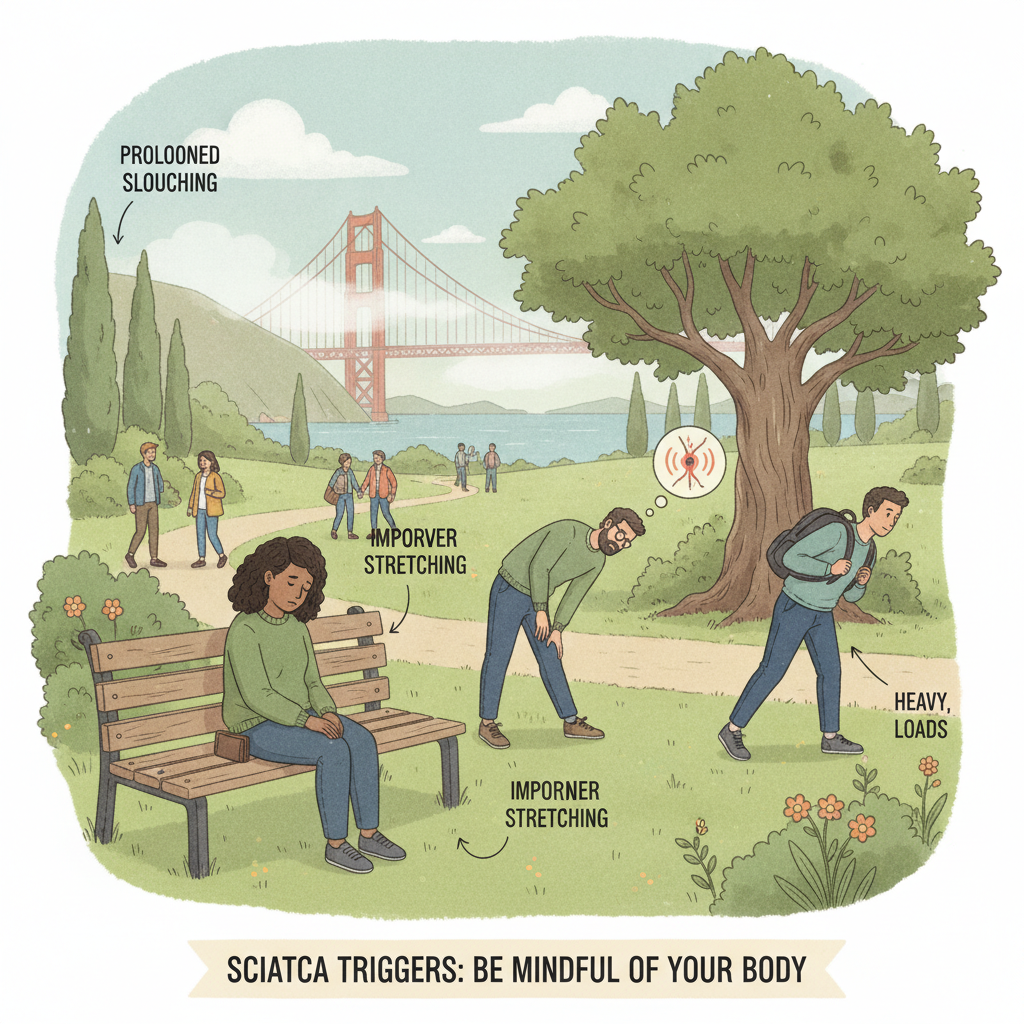
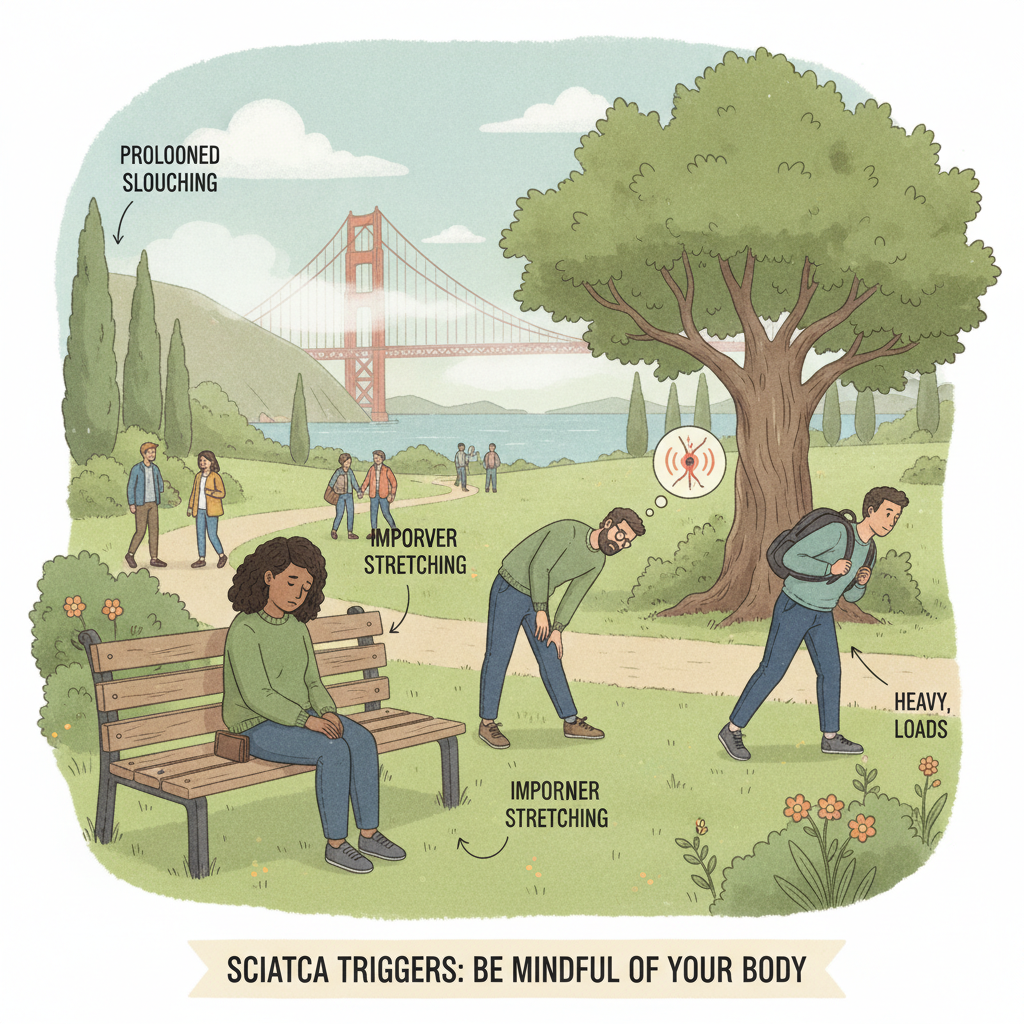
The most common causes of sciatica include herniated discs, spinal stenosis, and piriformis syndrome. Each of these conditions affects the nerve differently, and understanding the root cause is essential for effective treatment. Sciatica can also be triggered by factors like poor posture, prolonged sitting, heavy lifting, or even certain sports and activities. While anyone can develop sciatica, it’s especially common among working adults who spend long hours at a desk or on their feet.
If you’re experiencing persistent leg pain, it’s important to seek a professional evaluation. Clinics like Agnew Family specialize in identifying the underlying cause and creating a plan tailored to your needs. Early intervention can help prevent chronic pain and complications, so don’t ignore the warning signs.
Disc Herniation: The Classic Sciatica Trigger
One of the most well-known causes of sciatica is a herniated disc in the lower spine. Discs are soft, gel-filled cushions that sit between the bones of your spine (vertebrae), acting as shock absorbers. When a disc ruptures or bulges out of place, it can press directly on the sciatic nerve roots, leading to intense pain, numbness, or weakness down the leg.
Disc herniation is often the result of wear and tear, sudden injuries, or lifting heavy objects with poor technique. Symptoms may come on suddenly or develop gradually, and the pain can be severe enough to limit movement. In some cases, people also experience muscle spasms or difficulty controlling their foot or leg.
If you think a herniated disc might be behind your pain, it’s important to get an accurate diagnosis. Not all disc problems require surgery; in fact, many respond well to conservative care. For those exploring options, reading resources like 5 Questions to Ask Before Booking a Chiropractor in San Francisco can help you choose the right provider and approach for your situation.
Piriformis Syndrome: When Muscles Pinch the Nerve
Piriformis syndrome is a lesser-known but significant cause of sciatic pain. The piriformis is a small muscle located deep in the buttock, running from the sacrum to the top of the femur. In some people, the sciatic nerve passes directly beneath or even through this muscle. If the piriformis becomes tight, inflamed, or spasms, it can compress the nerve and mimic the symptoms of disc-related sciatica.
This condition often affects people who spend long hours sitting, such as developers or office workers, as well as athletes who engage in repetitive lower body movements. Symptoms typically include pain in the buttock that may radiate down the leg, sometimes accompanied by tingling or numbness. Unlike disc herniation, piriformis syndrome rarely causes back pain.
Diagnosing piriformis syndrome can be tricky, as its symptoms overlap with other causes of sciatica. Specialized physical exams and a detailed history are key. If you’re unsure whether your pain needs further imaging or a specialist’s input, check out How San Francisco Residents Can Tell If Back Pain Needs Imaging or a Specialist Visit for guidance on when to seek advanced care.
Spinal Stenosis: Narrow Spaces, Big Problems
Spinal stenosis occurs when the spaces within your spine narrow, putting pressure on the nerves that travel through it. This condition is most common in older adults, as it often results from age-related changes like thickened ligaments, bone spurs, or bulging discs. When the narrowing affects the lower back, it can compress the sciatic nerve roots and trigger pain, numbness, or weakness in the legs.
Unlike the sudden pain of a herniated disc, spinal stenosis usually causes symptoms that develop gradually and worsen with walking or standing. Many people find relief by sitting or leaning forward, which temporarily opens up the spinal canal. In severe cases, stenosis can make it difficult to walk even short distances, affecting daily activities and independence.
Treatment options for spinal stenosis range from physical therapy and medication to minimally invasive procedures. Identifying the specific cause of your symptoms is essential for choosing the right strategy, especially if you’re hoping to avoid surgery. A thorough evaluation by a spine specialist can help clarify the diagnosis and outline your best next steps.
How Sciatica Feels: Recognizing the Symptoms
Sciatica symptoms can vary widely from person to person, but there are some classic signs that set it apart from other types of back pain. The hallmark is pain that radiates from the lower back or buttock down the back of one leg, sometimes reaching the foot. This pain may be sharp, burning, or electric, and it often worsens with activities like sitting, coughing, or lifting.
Other symptoms may include:
- Numbness or tingling in the leg or foot
- Muscle weakness in the affected leg
- Difficulty moving or controlling the leg or foot
- Pain that improves when lying down or walking
It’s important to note that sciatica typically affects only one side of the body. If you experience symptoms like loss of bladder or bowel control, severe weakness, or sudden, intense pain, seek immediate medical attention, as these can indicate a more serious problem.
Comparing Sciatica Triggers: Disc, Muscle, or Canal?
Understanding the differences between the main causes of sciatica can help you and your provider zero in on the right diagnosis and treatment. Here’s a comparison of the three most common triggers:
| Trigger | How It Happens | Typical Symptoms |
|---|---|---|
| Disc Herniation | Disc bulges or ruptures, pressing on nerve root | Sudden, severe leg pain, possible numbness or weakness |
| Piriformis Syndrome | Piriformis muscle compresses sciatic nerve | Buttock pain, leg tingling, worsens with sitting |
| Spinal Stenosis | Narrowed spinal canal compresses nerve roots | Gradual leg pain, numbness, weakness, worse with standing |
While these triggers can produce similar symptoms, the nuances in how and when pain appears are key to a correct diagnosis. A careful physical exam, medical history, and sometimes imaging studies are needed to distinguish between them.
Risk Factors: Who Is Most Likely to Develop Sciatica?
While sciatica can affect anyone, certain factors increase your risk. Age is a major contributor, as spinal discs and joints naturally wear down over time. Occupations that involve heavy lifting, repetitive motion, or long periods of sitting can also raise the risk, making small business owners and tech professionals particularly vulnerable.
- Sedentary lifestyle or prolonged sitting
- Obesity, which adds stress to the spine
- Poor posture, especially at workstations
- History of back injuries or trauma
- Participation in sports with repetitive twisting or bending
Genetics can also play a role, as some people are born with spinal structures that make nerve compression more likely. Being proactive about posture, exercise, and ergonomic setup can help reduce your risk, even if you have a demanding schedule.
Diagnosing the Source: How Providers Find the Real Cause
Getting the right diagnosis is the cornerstone of effective sciatica treatment. Providers start with a detailed medical history, asking about the onset, location, and nature of your pain. They’ll perform a physical exam to check for muscle weakness, reflex changes, and areas of tenderness. Special maneuvers, like the straight leg raise test, can help pinpoint nerve irritation.
Imaging studies, such as MRI or CT scans, may be ordered if the diagnosis is unclear or if symptoms are severe, persistent, or associated with red flags like loss of bladder control. Electromyography (EMG) can also be used to assess nerve function in some cases.
An accurate diagnosis ensures you get the right treatment, whether that’s physical therapy, medication, or a referral to a specialist. Don’t hesitate to ask questions and seek a second opinion if you’re unsure about your diagnosis or care plan.
Treatment Options: Matching Care to the Cause
Once the source of your sciatica is identified, your provider will recommend a treatment plan tailored to your needs. Most cases improve with conservative care, which may include:
- Physical therapy and targeted exercises to relieve pressure on the nerve
- Manual therapies, such as massage or spinal adjustments
- Nonsteroidal anti-inflammatory drugs (NSAIDs) for pain relief
- Heat or ice therapy to reduce inflammation
- Posture and ergonomic adjustments at work and home
In some cases, more advanced interventions like injections or minimally invasive procedures may be necessary, especially if symptoms persist or worsen. Surgery is typically reserved for severe cases with significant nerve compression or loss of function. The key is to match the treatment to the underlying cause, not just the symptoms.
Preventing Sciatica Flare-Ups: Strategies for Everyday Life
Preventing sciatica isn’t always possible, but there are steps you can take to reduce your risk and minimize flare-ups. For those who work at a desk or run a business, small changes can make a big difference:
- Set up an ergonomic workstation with proper chair support and monitor height
- Take regular breaks to stand, stretch, and walk around
- Practice safe lifting techniques, keeping your back straight and using your legs
- Incorporate core strengthening and flexibility exercises into your routine
- Maintain a healthy weight to reduce stress on your spine
Staying active and listening to your body are crucial. If you notice early signs of sciatica, address them promptly rather than waiting for symptoms to worsen. Prevention is an ongoing process, but even small adjustments can help you stay pain-free and productive.
Physically demanding home projects can also involve repeated bending, reaching, lifting, and working in awkward positions for extended periods. Matt Kowalski of Kowalski Painting, a house painting contractor in Gilbert Arizona, notes that proper preparation and work practices can make a major difference: “Painting may look straightforward, but professional projects require a lot of movement throughout the day. We believe in planning the work carefully, using the right equipment, and avoiding unnecessary strain whenever possible.
When to Seek Help Locally
Not all sciatic pain requires immediate medical attention, but there are times when seeing a provider in your area is essential. If your pain is severe, persistent, or accompanied by symptoms like weakness, numbness, or changes in bladder or bowel control, don’t wait to get evaluated. Early intervention can prevent complications and speed up recovery.
Many local clinics offer specialized care for sciatica, including physical therapy, chiropractic, and integrative approaches. Look for providers who take the time to understand your unique situation and tailor their recommendations accordingly. With the right support, most people can find relief and return to their normal activities.
Key Takeaways
Sciatica can be a complex and frustrating condition, but understanding its triggers is the first step toward effective relief. Whether your pain stems from a herniated disc, piriformis syndrome, or spinal stenosis, the right diagnosis is crucial for choosing the best treatment. By paying attention to your symptoms, knowing when to seek help, and making proactive lifestyle changes, you can reduce the impact of sciatica on your daily life. If you’re struggling with persistent pain, don’t hesitate to consult a local specialist who can guide you on the path to recovery. Your health and productivity are worth the investment.