
Back pain is an all-too-common reality for office workers, especially in fast-paced urban environments where long hours at a desk are the norm. For small business owners, developers, and anyone who spends much of their workday seated, the toll on spinal health can be significant. If you’ve ever searched for back pain treatment San Francisco, you know how overwhelming the options can be. But before considering invasive solutions, it’s crucial to understand how posture, ergonomics, and daily habits contribute to desk-related strain. In this article, we’ll explore practical strategies and local resources to help you address back pain at its root, so you can stay productive, comfortable, and focused on your work. Whether you’re running a startup, coding for hours, or simply want to improve your well-being, these insights are tailored for you.
Why Office Workers Are Prone to Back Pain
Office environments are designed for efficiency, but not always for human comfort. Most desks and chairs are built with a one-size-fits-all mentality, which rarely matches the unique needs of every individual. As a result, office workers often adopt poor posture, hunch over laptops, or sit for extended periods without adequate support. Over time, these habits can lead to muscle imbalances, spinal misalignment, and chronic discomfort.
The repetitive nature of desk work, typing, mouse use, and phone calls, places additional strain on the back and neck. Without regular movement, the muscles supporting the spine become weak, while others tighten, creating a recipe for pain. Add in the stress of deadlines and multitasking, and it’s easy to see why so many in this city’s workforce report back issues.
Local clinics like Agnew Family have seen a steady rise in office-related back complaints. Understanding the underlying causes is the first step in finding lasting relief and preventing future problems.
The Role of Posture in Desk-Related Discomfort
Posture is more than just sitting up straight, it’s about maintaining the natural curves of your spine while working. Slouching, craning your neck forward, or crossing your legs for hours can all contribute to back pain. Poor posture increases the pressure on discs and joints, leading to inflammation and stiffness.
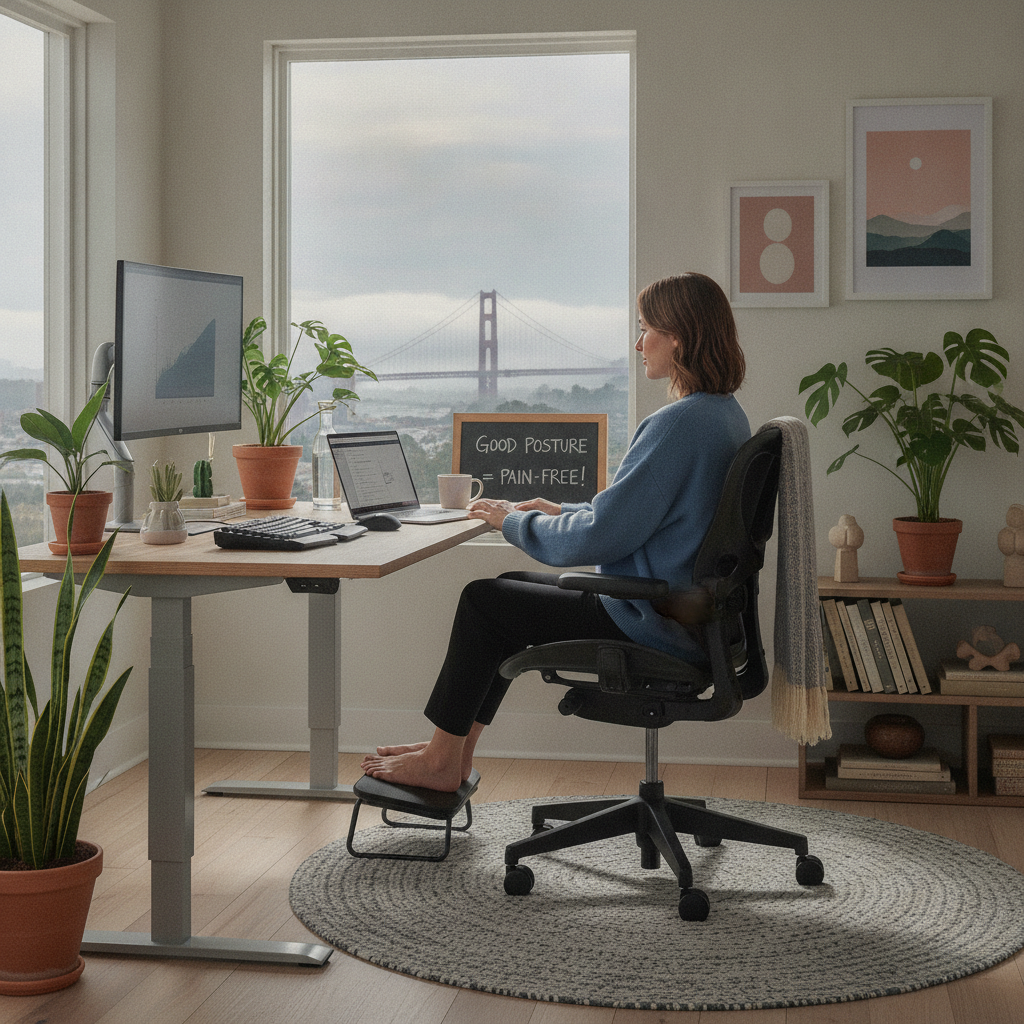
To improve posture, it’s important to be mindful of your body throughout the day. Set reminders to check your alignment: feet flat on the floor, hips and knees at 90 degrees, shoulders relaxed, and your screen at eye level. Even small adjustments can make a big difference over time.
If you’re unsure whether your posture is contributing to your discomfort, consider reading the 5 Questions to Ask Before Booking a Chiropractor in San Francisco. This can help you assess your needs and find the right support for your situation.
How Ergonomics Can Transform Your Workday
Ergonomics is the science of designing workspaces to fit the user, rather than forcing the user to adapt to the workspace. For office workers, ergonomic adjustments can be a game-changer in reducing back pain and boosting productivity. This involves more than just upgrading your chair, it’s about optimizing every aspect of your setup.
- Adjust your chair so your feet rest flat, and your knees are level with your hips.
- Position your monitor at eye level to avoid neck strain.
- Use a keyboard and mouse that keep your wrists straight and elbows close to your body.
- Consider a sit-stand desk to alternate between sitting and standing throughout the day.
Making these changes can help prevent the onset of chronic pain. For those already experiencing persistent discomfort, exploring resources like Chronic Lower Back Pain in San Francisco: Treatment Paths Beyond Rest and Painkillers may provide additional guidance.
Recognizing Early Warning Signs of Desk-Related Back Pain
Many office workers ignore the subtle signals their bodies send, dismissing aches and stiffness as just part of the job. However, early intervention is key to preventing minor discomfort from becoming a chronic issue. Common warning signs include persistent soreness in the lower back, tightness between the shoulder blades, or numbness and tingling in the legs or arms.
Ignoring these symptoms can lead to more serious conditions, such as herniated discs or sciatica. If you notice pain that lingers after work hours, difficulty standing up straight, or a decrease in mobility, it’s time to take action. Listen to your body and address problems before they escalate.
Self-assessment tools and posture checklists can help you monitor your symptoms. Keeping a daily log of discomfort and noting what activities worsen or relieve your pain can also provide valuable insights for future treatment decisions.
Simple Desk Exercises to Relieve Tension
Movement is one of the most effective ways to combat desk-related back pain. Even brief stretches and exercises performed at your workstation can help alleviate tension and improve circulation. Try incorporating the following into your daily routine:
- Seated spinal twists to loosen the lower back.
- Shoulder rolls to release upper back tension.
- Neck stretches to counteract forward head posture.
- Standing hamstring stretches to support the lower back.
Set a timer to remind yourself to move every 30 to 60 minutes. Even a quick walk around the office or a few minutes of stretching can make a big difference. Consistency is key, regular movement helps maintain flexibility and reduces the risk of injury.
Comparing Ergonomic Tools for Office Comfort
With so many ergonomic products on the market, it can be tough to know which ones are worth the investment. From chairs and footrests to standing desks and monitor arms, each tool offers unique benefits. The right combination depends on your personal needs, workspace, and budget.
Below is a comparison table of common ergonomic tools and their primary benefits for office workers experiencing back pain:
| Ergonomic Tool | Primary Benefit | Best For |
|---|---|---|
| Adjustable Chair | Supports natural spine alignment | All-day desk work |
| Lumbar Support Cushion | Reduces lower back strain | Existing back pain |
| Standing Desk | Encourages movement | Alternating between sitting and standing |
| Monitor Arm | Promotes proper screen height | Reducing neck and upper back strain |
| Footrest | Improves circulation | Shorter individuals or high desks |
Choosing the right ergonomic tools can help you create a workspace that supports your health and productivity. Test different products and configurations until you find what works best for you.
Lifestyle Habits That Impact Back Health
Back pain isn’t just about what happens at your desk. Lifestyle factors such as physical activity, sleep quality, and stress management play a significant role in spinal health. Regular exercise strengthens the muscles that support your back, while adequate sleep allows for tissue repair and recovery.
Stress can also manifest physically, causing muscle tension and exacerbating pain. Incorporating mindfulness practices, deep breathing, or even short walks during breaks can help mitigate these effects. Pay attention to your hydration and nutrition as well, dehydrated tissues are more prone to injury, and a balanced diet supports overall musculoskeletal health.
By making small, consistent changes to your daily routine, you can create a foundation for long-term back health that extends beyond the office.
When to Seek Professional Help for Back Pain
While many cases of back pain can be managed with ergonomic adjustments and self-care, there are times when professional intervention is necessary. If your pain is severe, persistent, or accompanied by symptoms such as numbness, weakness, or loss of bladder control, seek medical attention promptly.
Physical therapists, chiropractors, and other specialists in the area can provide targeted treatment plans tailored to your specific needs. Early intervention can prevent minor issues from becoming major health concerns, and a professional assessment can identify underlying causes that may not be obvious.
Don’t hesitate to consult a healthcare provider if you’re unsure about the cause or severity of your symptoms. Your long-term well-being is worth the investment.
Creating a Back-Friendly Office Culture
For small business owners and team leaders, fostering a workplace culture that prioritizes back health can have far-reaching benefits. Encourage employees to take regular breaks, offer ergonomic assessments, and provide access to supportive equipment. Hosting wellness workshops or inviting local experts to speak about posture and movement can also raise awareness and promote healthy habits.
Open communication about discomfort and pain should be normalized, not stigmatized. By making back health a shared priority, you can reduce absenteeism, boost morale, and create a more productive work environment for everyone.
Remember, a supportive culture starts at the top. Lead by example and show your team that their health matters.
Local Resources for Back Pain Relief
The region is home to a wealth of resources for those seeking relief from office-related back pain. From physical therapy clinics and chiropractic offices to yoga studios and wellness centers, residents have access to a wide range of services. Many providers offer ergonomic consultations, posture workshops, and group classes designed specifically for office workers.
Look for practitioners who specialize in occupational health or have experience working with desk-bound professionals. Ask about personalized treatment plans, preventative care, and educational resources to support your journey toward a pain-free work life.
Connecting with local support groups or online communities can also provide motivation and accountability as you make positive changes to your routine.
Back Pain Treatment San Francisco: What to Expect
If you decide to pursue back pain treatment in San Francisco, you’ll find a variety of approaches tailored to your needs. Clinics in this city often take a holistic view, combining manual therapy, exercise prescription, ergonomic counseling, and lifestyle coaching. Your first visit typically involves a thorough assessment of your posture, movement patterns, and daily habits.
Treatment plans may include hands-on techniques to relieve tension, guided exercises to strengthen weak muscles, and practical advice for improving your workstation setup. Many practitioners also emphasize patient education, empowering you to take an active role in your recovery and prevention efforts.
With the right support, most office workers experience significant improvement within a few weeks. The key is to stay consistent with your recommended exercises and ergonomic changes, and to communicate openly with your provider about your progress and challenges.
Key Takeaways
Back pain doesn’t have to be an inevitable part of office life. By understanding the root causes, poor posture, inadequate ergonomics, and sedentary habits, you can take proactive steps to protect your spine and enhance your daily comfort. Simple changes to your workspace, regular movement, and a focus on overall well-being can make a profound difference.
If pain persists, don’t hesitate to seek professional guidance. The area offers a wealth of resources and skilled providers dedicated to helping you feel your best. Remember, investing in your back health is an investment in your productivity, happiness, and long-term quality of life. Start with small changes today, and your body will thank you tomorrow.