

Stress can show up as physical pain in various ways. You might experience muscle tension, especially in your neck and shoulders, leading to discomfort and headaches. Rapid heart rate and digestive issues, like bloating or cramps, often accompany stress. Your body’s fight-or-flight response can trigger inflammation, contributing to ongoing pain. If these symptoms persist, they’re signs to seek professional help. Explore effective techniques to manage stress-related pain and build resilience for a healthier, more balanced life.
Key Takeaways
- Stress often manifests as muscle tension, particularly in the neck and shoulders, leading to discomfort and pain.
- Increased heart rate and rapid breathing can trigger tension headaches and migraines due to muscle tightness and hormonal changes.
- Digestive issues like bloating, cramps, and changes in appetite occur as stress hormones disrupt normal gut function.
- Chronic stress can elevate inflammation, intensifying pain and discomfort throughout the body.
- Recognizing these physical symptoms is crucial for effective stress management and overall well-being.
How Stress Affects Your Body Physically

When you’re under stress, your body reacts in ways you mightn’t even notice at first. You might feel tension in your shoulders or a tightness in your jaw. Your heart rate increases, and you may find yourself breathing more quickly. These responses are part of your body’s natural fight-or-flight mechanism.
Over time, persistent stress can lead to chronic issues. You might experience headaches or gastrointestinal discomfort, as your body struggles to cope. Your immune system can also weaken, making you more susceptible to illnesses.
You mightn’t connect these physical sensations to stress right away, but they’re often intertwined. Recognizing how stress manifests can help you take action. By addressing stress through relaxation techniques or lifestyle changes, you can alleviate some of these physical symptoms.
Understanding this connection empowers you to manage your well-being more effectively.
Common Physical Symptoms of Stress
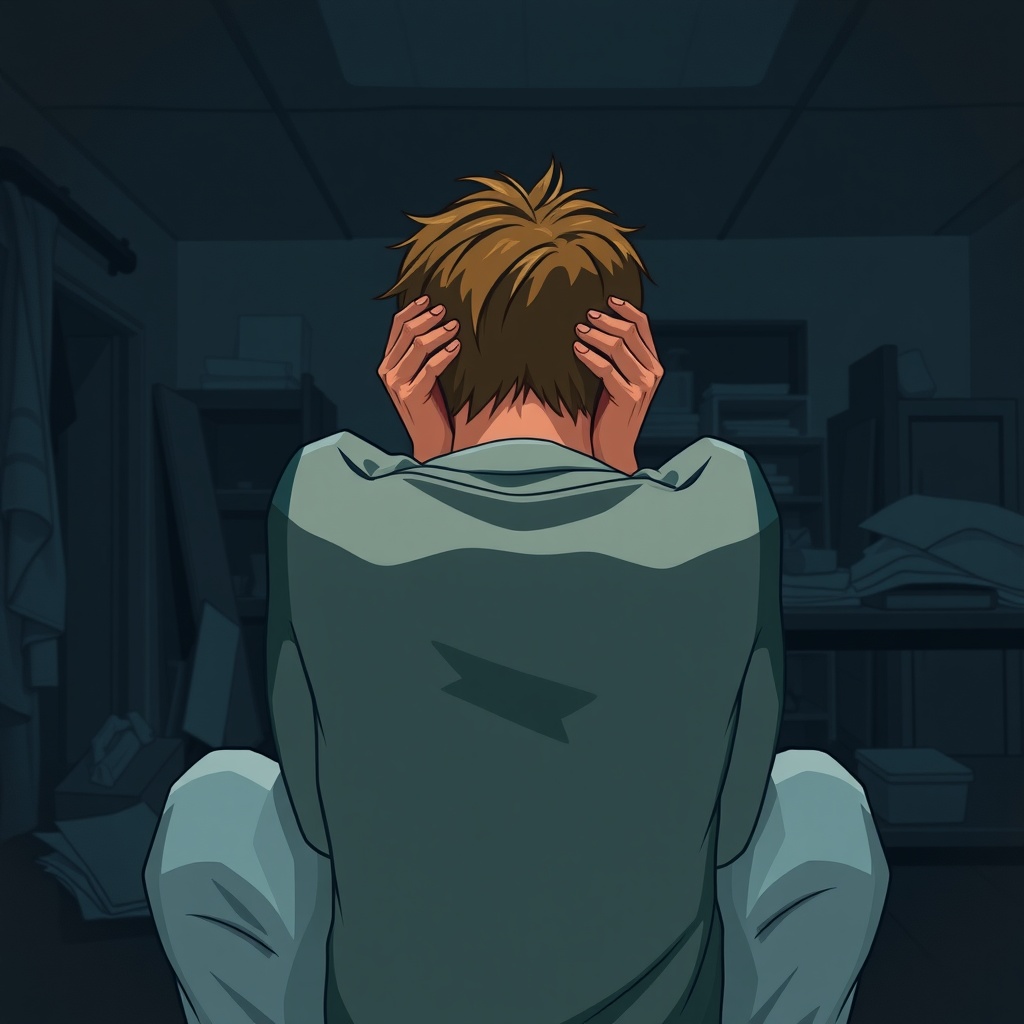
When you’re stressed, your body often reacts in ways you mightn’t expect.
You may feel muscle tension, develop headaches, or even experience digestive issues.
Recognizing these common symptoms can help you manage your stress more effectively.
Muscle Tension and Pain
Stress often manifests in the body as muscle tension, leading to discomfort and pain. You might notice tightness in your shoulders, neck, or back, making it hard to relax. This tension can be your body’s response to stressors, signaling that you’re feeling overwhelmed.
If you’re clenching your jaw or hunching your shoulders, you’re likely carrying that stress physically. Over time, this muscle tension can result in chronic pain, limiting your mobility and affecting your daily activities.
It’s essential to recognize these signs early; acknowledging them can help you take proactive steps. Techniques like stretching, deep breathing, or even regular exercise can help alleviate this tension, promoting both physical and emotional well-being.
Headaches and Migraines
Muscle tension isn’t the only way your body reacts to stress; headaches and migraines often follow closely behind. When you’re feeling overwhelmed, your brain can trigger pain signals, leading to those nagging headaches that seem to appear out of nowhere.
Stress causes blood vessels to constrict and then dilate, which can result in throbbing pain. If you’ve ever experienced a migraine, you know how debilitating it can be.
Stress can also lower your threshold for pain, making you more sensitive to discomfort. It’s essential to recognize the connection between your emotions and physical symptoms.
Digestive Issues and Discomfort
As your mind races with worries, your stomach often feels the repercussions. Stress can lead to a whirlwind of digestive issues, from bloating and cramps to nausea and diarrhea. You might notice that your appetite changes, either disappearing completely or leading to unhealthy cravings. This is your body’s way of reacting to tension, as stress hormones can disrupt normal digestion.
When you’re anxious, your body prioritizes fighting or fleeing, diverting blood flow away from your digestive system. This can lead to chronic discomfort and exacerbate existing conditions like irritable bowel syndrome (IBS).
Recognizing this connection can be the first step in managing stress-related digestive issues. Practicing mindfulness and relaxation techniques can help restore balance and ease your discomfort.
The Science Behind Stress-Induced Pain
Stress doesn’t just affect your mind; it can trigger real physical pain in your body.
When you’re stressed, your brain releases neurotransmitters that can heighten your sensitivity to pain.
Understanding this mind-body connection is key to managing both stress and the pain that often follows.
Mind-Body Connection
When you experience stress, your body doesn’t just react mentally; it can trigger a cascade of physical responses that lead to pain.
This mind-body connection is vital for understanding how stress manifests in your body. Here are three ways stress can create physical discomfort:
- Muscle Tension: Stress often causes your muscles to tighten, leading to soreness and discomfort, especially in your neck and shoulders.
- Inflammation: Chronic stress can increase inflammation in your body, contributing to pain in joints and other areas.
- Digestive Issues: Stress can disrupt your digestive system, causing cramps and other gastrointestinal pain.
Recognizing these connections helps you address the root causes of your physical pain, fostering a healthier mind-body relationship.
Neurotransmitters and Pain
Although you might not realize it, neurotransmitters play a crucial role in how your body processes pain during stressful times. When you’re stressed, your brain releases these chemicals, which can heighten your sensitivity to pain. Understanding this connection helps you manage stress and its physical effects.
| Neurotransmitter | Effect on Pain |
| Serotonin | Mood regulation |
| Dopamine | Pleasure and reward |
| Norepinephrine | Fight-or-flight response |
| Substance P | Pain transmission |
| Endorphins | Natural pain relief |
Stress Effects on Muscles and Joints
While you mightn’t realize it, emotional strain can lead to significant tension in your muscles and joints. Stress can manifest physically, causing discomfort and pain that you may not connect to your emotional state.
Here are three common effects of stress on your muscles and joints:
- Muscle Tightness: You might notice your shoulders or neck feeling tight, as stress leads to muscle contraction.
- Joint Pain: Stress can increase inflammation, leading to discomfort in areas like your knees or hips.
- Reduced Flexibility: Tension can restrict your range of motion, making everyday movements feel challenging.
Recognizing these symptoms is essential. When you acknowledge the link between stress and physical discomfort, you can take steps towards managing both your emotional and physical well-being.
Prioritizing relaxation techniques can help ease tension, allowing you to feel more at ease in your body.
How Stress Can Trigger Your Headaches?
Stress often creeps into your daily life, and it can be a major trigger for headaches. When you’re feeling overwhelmed, your muscles tense up, and this tension can lead to headache pain. Additionally, stress can disrupt your sleep, making you more susceptible to migraines and tension headaches. Understanding the connection between stress and headaches can empower you to take control of your well-being.
Here’s a quick overview of how stress affects headaches:
| Type of Headache | How Stress Contributes |
| Tension Headaches | Muscle tension in the neck and scalp |
| Migraines | Hormonal changes and increased sensitivity |
| Cluster Headaches | Disruption in sleep patterns |
| Sinus Headaches | Increased sinus pressure due to stress |
Understanding How Stress Affects Your Digestive System
Feeling overwhelmed doesn’t just trigger headaches; it can also wreak havoc on your digestive system.
Stress impacts how your body digests food, leading to discomfort and various gastrointestinal issues. Here’s how it can show up:
Stress affects your digestion, causing discomfort and a range of gastrointestinal problems. Recognizing these changes is crucial for your well-being.
- Increased Acid Production: Stress can lead to higher stomach acid, causing heartburn or acid reflux.
- Altered Gut Motility: You might experience constipation or diarrhea as your gut speeds up or slows down in response to stress.
- Reduced Blood Flow: Stress diverts blood away from your digestive system, making it harder for your body to process food effectively.
Recognizing these symptoms is vital.
If you notice these changes, consider how your stress levels might be influencing your gut health.
Taking steps to manage stress can lead to a calmer mind and a happier digestive system.
When Physical Symptoms of Stress Necessitate Professional Help?
How can you tell when the physical symptoms of stress become more than just a temporary discomfort? If you’re experiencing persistent pain, frequent headaches, or digestive issues that don’t ease up, it might be time to seek professional help.
When these symptoms interfere with your daily life, or if you notice a significant change in your sleep patterns or appetite, it’s vital to address them. Keep an eye out for feelings of anxiety or depression that accompany your physical symptoms, as they can indicate a deeper issue.
Also, if you find yourself relying on over-the-counter medications to cope, that’s a sign your body is signaling for assistance. Listening to these signals is essential; ignoring them could lead to chronic conditions.
Effective Techniques for Managing Stress-Related Pain
Managing stress-related pain effectively starts with identifying and implementing practical techniques that can make a real difference. Here are three approaches you can try:
Managing stress-related pain begins with practical techniques that truly make a difference in your well-being.
1. Mindfulness and Meditation: Taking just a few minutes each day to focus on your breath can help calm your mind and reduce physical tension.
Apps and guided sessions can be great for beginners.
2. Physical Activity: Regular exercise releases endorphins, which are natural pain relievers.
Even a brisk walk can boost your mood and alleviate stress.
3. Deep Breathing Exercises: When you feel stress creeping in, pause and take deep, slow breaths.
This simple technique can help relax your body and mind, easing pain in the process.
Building a Stress-Resilient Lifestyle
While stress is an inevitable part of life, building a stress-resilient lifestyle can empower you to navigate challenges more effectively. Start by incorporating daily habits that foster resilience. Regular exercise, mindfulness, and strong social connections can greatly improve your ability to cope.
Here’s a quick comparison of stress reactions and resilience strategies:
| Stress Reactions | Resilience Strategies |
| Overwhelm | Practice mindfulness |
| Fatigue | Engage in physical activity |
| Irritability | Maintain supportive networks |
| Physical pain | Prioritize self-care |
Frequently Asked Questions
Can Stress Worsen Existing Medical Conditions?
Yes, stress can worsen existing medical conditions. When you’re stressed, your body releases hormones that can increase inflammation and tension, exacerbating symptoms in conditions like asthma, arthritis, or heart disease. Managing stress is vital for your health.
How Does Sleep Quality Affect Stress-Related Pain?
Sleep quality directly impacts how you experience stress-related pain. Poor sleep can heighten sensitivity to discomfort, making pain feel worse. Prioritizing restful sleep helps reduce stress and alleviates the physical symptoms you might face.
Are Some People More Prone to Stress-Induced Pain?
Yes, some people are more prone to stress-induced pain. Factors like genetics, previous trauma, and coping mechanisms play a role. If you notice this pattern, addressing stress management can help reduce your physical discomfort.
Can Diet Influence Stress and Its Physical Symptoms?
Yes, your diet can influence stress and its physical symptoms. Eating balanced meals rich in nutrients helps regulate mood and energy levels, while processed foods might increase anxiety and exacerbate physical discomfort.
What Role Does Mindfulness Play in Managing Stress-Related Pain?
Mindfulness helps you recognize stress triggers and promotes relaxation. By focusing on the present, you can reduce tension and alleviate physical pain, allowing your body to respond more positively to stress and enhance overall well-being.
Final Thoughts
Stress doesn’t stay “in your head.” When your nervous system stays in a constant fight-or-flight state, the body often responds with muscle tension, restricted movement, headaches, digestive disruption, and heightened sensitivity to pain. Over time, that tension can become a pattern—tight neck and shoulders, a guarded low back, shallow breathing, and recurring discomfort that flares when life gets busy. The goal isn’t just to “relax more,” but to restore better function in the body so stress stops showing up as pain.
At Agnew Family Wellness, we help patients break that cycle by addressing both the physical tension and the underlying patterns that keep the body stuck in overload. Our chiropractic care supports spinal alignment and nervous system function, while therapeutic massage helps release chronic muscular tension that often builds under stress. Many patients also benefit from recovery-focused support like PEMF therapy and red light therapy as part of a comprehensive approach to calming irritated tissues and improving resilience.
If stress-related pain is becoming a recurring part of your week—headaches, neck tightness, back tension, or persistent soreness—we’re here to help you get a clear plan forward. Schedule a visit through our Contact page, and for more guidance on building lasting health, explore our latest resources in the Blog and read How Chiropractic Care Helps You Achieve Lasting Health & Vitality.