
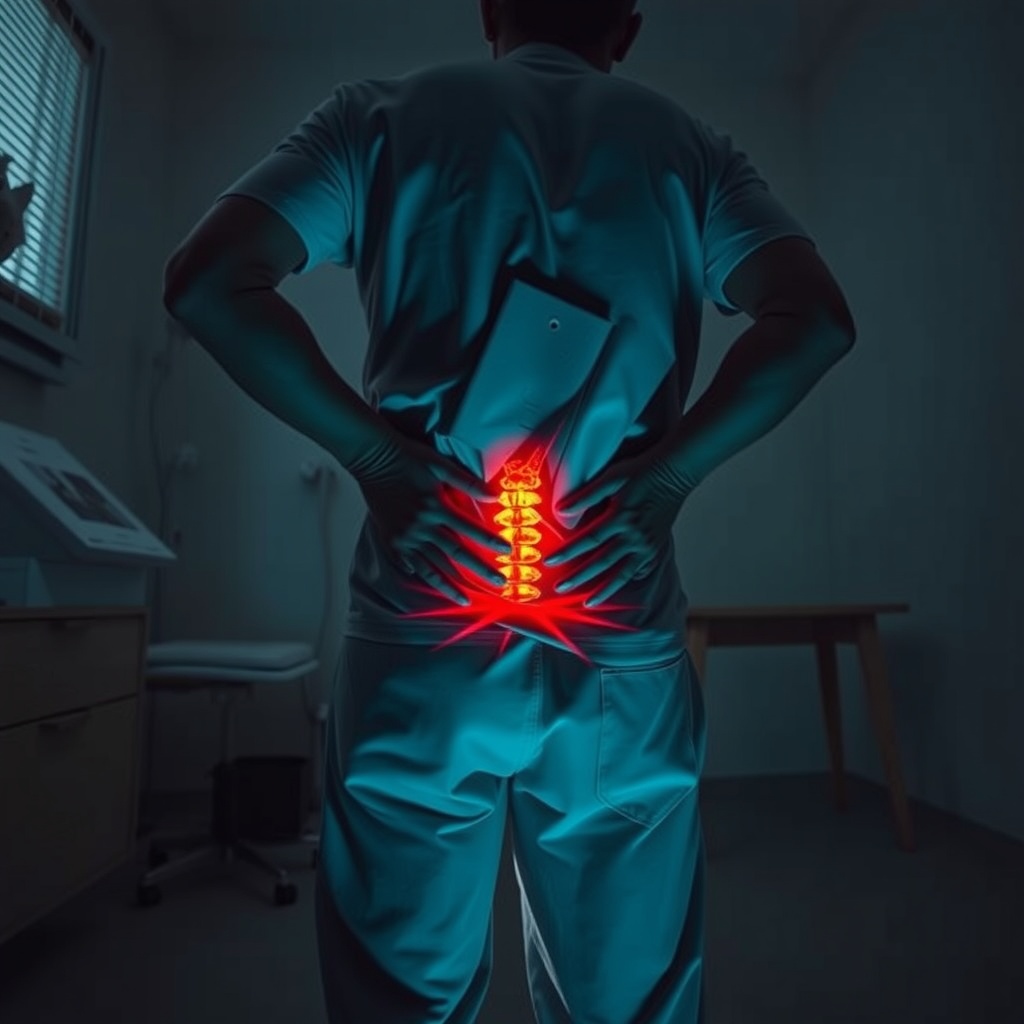
Sciatica is pain that travels along the sciatic nerve, which runs from your lower back down to your legs. It happens because the nerve gets compressed, often due to issues like herniated discs or spinal stenosis. You might feel sharp pain, tingling, or numbness in your back, buttocks, and legs. Understanding sciatica is key to managing it effectively, and more insights on identifying and treating this condition await you.
Key Takeaways
- Sciatica is pain along the sciatic nerve, extending from the lower back to the legs, often due to nerve compression.
- Common causes include herniated discs, spinal stenosis, and muscle spasms affecting the sciatic nerve.
- Symptoms may include sharp pain, tingling, and weakness in the leg, indicating nerve involvement.
- The sciatic nerve’s pathway explains why pain radiates down the leg from the lower back.
- Understanding sciatica helps identify underlying spinal issues needing medical evaluation and treatment.
What Is Sciatica?
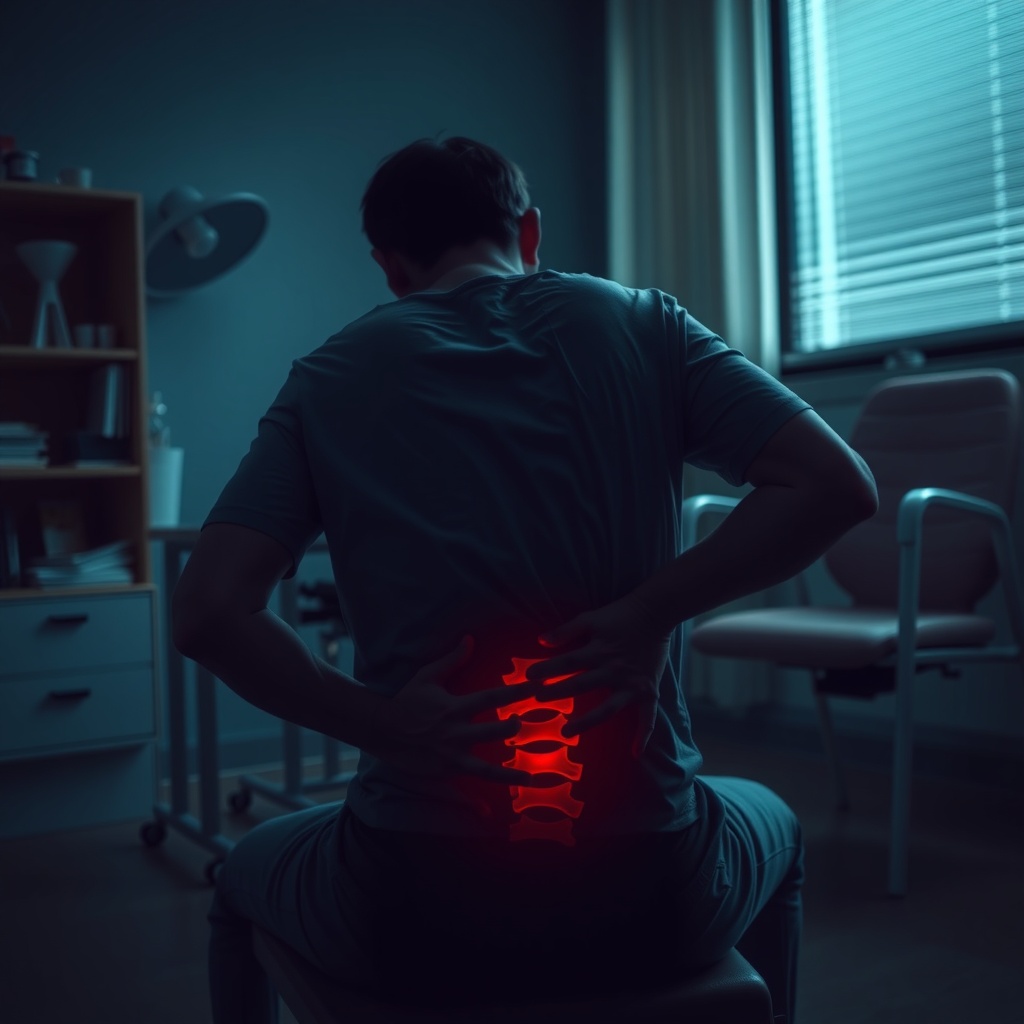
Sciatica refers to the pain that radiates along the sciatic nerve, which runs from your lower back down to your legs. It’s not a condition on its own but a symptom of an underlying issue, often resulting from a herniated disc, bone spur, or spinal stenosis.
When these problems compress the sciatic nerve, you may experience discomfort, tingling, or weakness along the nerve’s path.
This pain can vary from mild to severe, affecting your daily activities. You might notice it more when sitting, standing, or moving, and it can even make it hard to find a comfortable position.
Understanding sciatica is vital because it helps you recognize that it’s not just back pain; it’s a sign that something else is wrong in your spine or surrounding tissues.
Addressing the root cause is essential for relief and to prevent future issues.
What Are the Common Symptoms of Sciatica?

If you’re experiencing sciatica, you’ll likely notice a range of symptoms that can affect your daily life.
These include sharp pain, numbness, and even muscle weakness in your legs.
Understanding these symptoms is key to managing your discomfort effectively.
Pain Characteristics and Locations
Pain from sciatica often radiates along the sciatic nerve, which runs from your lower back down through your hips and into each leg. You might feel a sharp, shooting pain that can make it hard to sit, stand, or walk.
The discomfort usually affects one side of your body, often starting in the lower back or buttocks and moving down to the thigh, calf, or even the foot. You may notice that certain activities, like bending or lifting, worsen the pain.
It can vary in intensity, sometimes feeling like a dull ache or a sudden jolt. Understanding where the pain strikes helps you communicate better with healthcare providers and seek appropriate treatment.
Numbness and Tingling Sensations
Numbness and tingling sensations often accompany sciatica, signaling irritation or compression of the sciatic nerve. You might feel these sensations in your lower back, buttocks, or down your leg. They can vary from mild to intense, and sometimes, they can be quite bothersome.
You may notice that these feelings occur in specific areas, often following the path of the nerve. This can make everyday activities challenging, as simple tasks like walking or sitting may become uncomfortable.
It’s important to listen to your body; if you experience persistent numbness or tingling, it’s a good idea to consult a healthcare professional. They can help identify the cause and recommend appropriate treatment to alleviate your symptoms.
Muscle Weakness and Cramping
Alongside numbness and tingling, muscle weakness and cramping are common symptoms of sciatica. You might notice that one leg feels weaker than the other, making it difficult to perform everyday tasks.
This weakness occurs because the sciatic nerve, which runs from your lower back down your legs, is affected by compression or irritation. Cramping can feel like tightness or spasms in the affected muscles, often occurring in the calf or thigh.
These sensations can disrupt your daily routine, making it tough to walk or stand for long periods. If you experience these symptoms, it’s essential to consult a healthcare professional to identify the underlying cause and explore treatment options that can help alleviate your discomfort.
How Does Sciatica Develop?
Sciatica develops when something compresses your sciatic nerve, often due to common causes like herniated discs or spinal stenosis.
Risk factors, including age and lifestyle choices, can increase your chances of experiencing this pain.
Understanding these mechanisms helps you recognize how to manage and prevent sciatica effectively.
Common Causes of Sciatica
When you experience pain that radiates from your lower back down through your legs, it often stems from various underlying conditions.
One common cause is a herniated disc, where the soft material inside the disc pushes out and irritates nearby nerves.
Spinal stenosis, or the narrowing of the spinal canal, can also lead to sciatica by compressing nerve roots.
Additionally, degenerative disc disease, which occurs as discs wear down with age, may contribute to nerve pain.
Spondylolisthesis, where a vertebra slips out of place, is another potential cause.
Other factors like muscle spasms or tightness in the piriformis muscle can aggravate the sciatic nerve, triggering that familiar discomfort you might feel down your leg.
Nerve Compression Mechanisms
Nerve compression occurs when surrounding tissues, like bones or discs, exert pressure on the sciatic nerve. This pressure can result from various factors, such as a herniated disc, which bulges and pinches the nerve.
You might also experience compression due to spinal stenosis, where the spinal canal narrows and squeezes the nerve roots. Additionally, muscle tension from conditions like piriformis syndrome can lead to sciatica by irritating the nerve.
When the sciatic nerve gets compressed, you may feel pain, numbness, or tingling that travels down your leg. Understanding these mechanisms helps clarify why sciatica can be so debilitating and emphasizes the importance of addressing the underlying causes to find relief.
Risk Factors for Development
Several factors can increase your risk of developing sciatica, making it essential to understand them. Here are some key risk factors to evaluate:
- Age: As you get older, the discs in your spine can degenerate, increasing the likelihood of nerve compression.
- Occupation: Jobs that require heavy lifting, prolonged sitting, or twisting can strain your back and lead to sciatica.
- Obesity: Extra weight puts additional pressure on your spine, which can contribute to nerve issues.
- Sedentary Lifestyle: Lack of regular exercise can weaken your back muscles, making you more susceptible to injury.
Why Does Sciatica Pain Radiate Down the Leg?
Ever wondered why sciatica pain shoots down your leg? This happens because the sciatic nerve, the longest nerve in your body, runs from your lower back through your hips and into each leg.
When something irritates or compresses this nerve—like a herniated disk or spinal stenosis—it sends pain signals that can radiate along its pathway.
You might feel sharp, burning, or tingling sensations that travel from your lower back to your thigh and even into your calf or foot.
This radiating pain occurs because the nerve is inflamed or pinched, causing your brain to misinterpret these signals as pain in areas far from the source.
Understanding this connection helps you grasp why simple movements can intensify your discomfort, making it essential to address the underlying issues causing your sciatica.
Types of Sciatica: Understanding Variations
While sciatica is commonly thought of as a single condition, it actually encompasses various types that can affect individuals differently. Understanding these variations can help you identify your specific situation and seek appropriate relief.
Sciatica isn’t just one condition; it includes various types that impact individuals in unique ways. Recognizing these differences is key to finding relief.
Here are four main types of sciatica:
- Lumbar Herniated Disc: This occurs when a disc in your lower back bulges or ruptures, pressing on the sciatic nerve.
- Spinal Stenosis: Narrowing of the spinal canal can put pressure on the nerve, leading to pain that radiates down your leg.
- Piriformis Syndrome: When the piriformis muscle spasms, it can irritate the sciatic nerve, causing pain in the buttock and leg.
- Spondylolisthesis: This condition involves one vertebra slipping over another, which can compress the sciatic nerve.
Recognizing these types can guide you towards effective treatment options tailored to your needs.
How Can You Get an Accurate Sciatica Diagnosis?
To get an accurate sciatica diagnosis, you’ll start with a thorough medical history assessment.
Your doctor will then perform physical examinations to pinpoint the issue.
Imaging tests may also be necessary to visualize what’s going on in your spine and nerves.
Medical History Assessment
Understanding your medical history is essential for an accurate sciatica diagnosis. Your doctor will ask specific questions to pinpoint the cause of your symptoms.
Here are key areas they’ll focus on:
- Previous Injuries: Have you experienced any back or leg injuries?
- Pain Characteristics: When did the pain start, and how would you describe it?
- Medical Conditions: Do you have any chronic conditions, like diabetes or arthritis?
- Lifestyle Factors: What’s your occupation, and do you engage in regular physical activity?
Physical Examination Techniques
A thorough physical examination is essential for accurately diagnosing sciatica. Your healthcare provider will assess your posture, flexibility, and leg strength. They may perform specific tests to pinpoint the source of your pain.
Here’s what you can expect during your examination:
| Test | Purpose |
| Straight Leg Raise | Checks for nerve irritation |
| Slump Test | Assesses nerve tension |
| Neurological Exam | Evaluates reflexes and sensation |
Imaging Tests Importance
While physical examinations provide valuable insights, imaging tests play a crucial role in accurately diagnosing sciatica. These tests help pinpoint the root cause of your pain and guide treatment options. Here’s why they’re essential:
- Identify Nerve Compression: Imaging can reveal if a herniated disc or bone spur is pressing on your sciatic nerve.
- Assess Structural Issues: MRI or CT scans help visualize abnormalities in the spine and surrounding tissues.
- Rule Out Other Conditions: Imaging can help exclude other potential causes of leg pain, ensuring a focused approach to treatment.
- Monitor Progress: Follow-up imaging can track changes over time, helping you and your doctor adjust your treatment plan as needed.
These tests provide clarity in your sciatica diagnosis.
Best Sciatica Treatment Options
If you’re struggling with sciatica, knowing the best treatment options can make a significant difference in your recovery.
Start with over-the-counter pain relievers like ibuprofen or acetaminophen to help manage your discomfort. Physical therapy often proves beneficial; a trained therapist can guide you through exercises that strengthen your back and improve flexibility.
Heat and ice packs can also provide relief—ice reduces swelling, while heat relaxes tense muscles.
If your pain persists, your doctor might recommend prescription medications or corticosteroid injections.
In some cases, alternative therapies like acupuncture or chiropractic care can be effective.
Always communicate with your healthcare provider about your symptoms and treatment progress. They can help tailor a plan that suits your needs and monitor your recovery.
How Can Lifestyle Changes Help Manage Sciatica?
Managing sciatica goes beyond medical treatments; lifestyle changes can play a significant role in alleviating symptoms and preventing flare-ups.
By making a few adjustments in your daily routine, you can enhance your comfort and mobility. Here are four effective changes to contemplate:
- Stay Active: Engage in low-impact exercises like walking or swimming to strengthen your back and improve flexibility.
- Improve Posture: Maintain proper posture when sitting or standing to reduce pressure on your spine.
- Stretch Regularly: Incorporate stretching into your routine to relieve tension in your lower back and legs.
- Maintain a Healthy Weight: Keeping your weight in check can lessen the strain on your back, reducing sciatica symptoms.
When Should You Seek Medical Attention for Sciatica?
When should you seek medical attention for sciatica? If you’re experiencing severe pain, it’s vital to consult a healthcare professional. Other warning signs include:
| Symptoms | Action |
| Loss of bladder/bowel control | Seek immediate help |
| Severe, unrelenting pain | Schedule an appointment soon |
| Numbness or weakness in the leg | Get evaluated promptly |
If your pain doesn’t improve with rest or home treatments, don’t hesitate to reach out for medical advice. Additionally, if your symptoms worsen or you notice new symptoms, it’s important to get checked out. Early intervention can prevent further complications and help you return to your daily activities more quickly. Remember, you deserve to live without pain!
What Is the Long-Term Outlook for Sciatica Sufferers?
The long-term outlook for sciatica sufferers varies, but many people experience significant improvement with proper management. Understanding what to expect can help you navigate your recovery journey.
Here are four key points to contemplate:
- Self-Care Matters: Regular exercise, stretching, and maintaining a healthy weight can reduce symptoms and improve mobility.
- Treatment Options: Physical therapy, chiropractic care, and medications can effectively alleviate pain and prevent flare-ups.
- Timeframe: While some recover within weeks, others might face ongoing issues. It’s essential to stay proactive in your treatment.
- Lifestyle Adjustments: Ergonomic changes at work and home can help minimize pressure on your spine and reduce pain.
Frequently Asked Questions
Can Sciatica Affect Both Legs Simultaneously?
Yes, sciatica can affect both legs simultaneously. When the sciatic nerve is compressed or irritated, it can cause pain, tingling, or weakness in either leg, depending on the underlying issue affecting your nerve pathways.
Are There Specific Exercises to Avoid With Sciatica?
Yes, you should avoid high-impact exercises, heavy lifting, and twisting movements. Instead, focus on gentle stretches and low-impact activities like walking or swimming, which can help alleviate discomfort while promoting healing. Always listen to your body.
How Does Pregnancy Influence Sciatica Symptoms?
Pregnancy can worsen sciatica symptoms due to hormonal changes, weight gain, and pressure on nerves. As your body adapts, you might feel more discomfort, so staying active and practicing good posture can help alleviate pain.
Can Stress Worsen Sciatica Pain?
Yes, stress can worsen sciatica pain. When you’re stressed, your muscles tense up, which can increase pressure on your sciatic nerve. Managing stress through relaxation techniques can help alleviate some of that discomfort.
Is Sciatica Hereditary or Genetic?
Sciatica isn’t directly hereditary, but genetic factors can influence your risk for conditions that lead to it, like herniated discs or spinal stenosis. Staying proactive about your spine health can help manage this risk.
Final Thoughts
Sciatica is more than simple back pain—it’s a sign that the sciatic nerve is being irritated or compressed, which is why symptoms can travel from the low back into the buttock and down the leg. When that nerve pathway is involved, relief often depends on identifying what’s creating the pressure (disc involvement, joint restriction, muscle tension, or spinal narrowing) and addressing it with a plan that restores movement and reduces stress on the nerve over time.
At Agnew Family Wellness, we focus on helping you move from short-term symptom control to long-term improvement by targeting the underlying cause. Our chiropractic care is designed to support spinal function and reduce mechanical irritation, and for patients dealing with persistent pressure patterns,spinal decompression may be a key part of care. To support recovery and reduce protective muscle tightness that often accompanies sciatica, we may also incorporate therapeutic massage as part of a comprehensive approach.
If your leg pain, tingling, or numbness is recurring, worsening, or limiting how you move, the next step is getting clarity on what’s driving it. Schedule a visit through our Contact page, and for additional education on long-term care and recovery strategies, explore our Blog and read Why Advanced Chiropractic Care Is the Future of Pain Relief.